NCR Clean Air Campaign
Protect. Inform. Mobilise. Understand.
The campaign grew through schools, neighbourhoods and underserved communities across Delhi NCR. Not around one solution, but around many smaller points where action was possible.
peer participants
sessions
mask making videos
kits
through
Better2Bus
carpools
responses
mentoring junior members to
take the project forward
Make the Problem Easier to Understand
Because you cannot respond to what you cannot see.
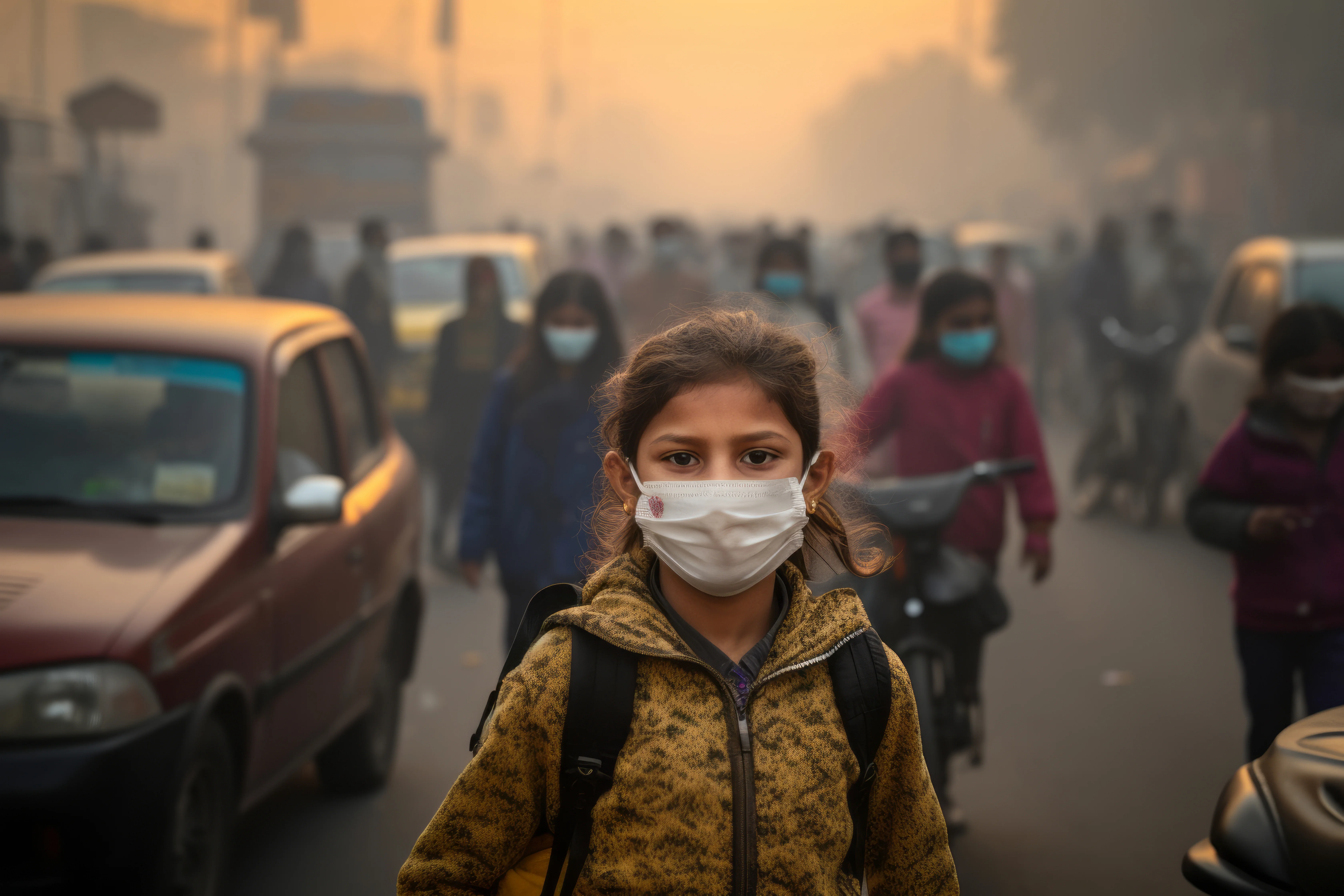
Air pollution is strange that way. The air can look almost normal while the risk is anything but.
I began with short awareness sessions in underserved communities, focusing less on technical language and more on useful questions: When is the air most harmful? What does prolonged exposure do? What can someone realistically do today?
Simple guides, digital posters, presentations and short tutorials helped those conversations travel beyond a single workshop, through neighbourhoods, schools, NGOs and community networks.
Community Awareness Session with Slum Children
Awareness Session on How to Fight Air Pollution
Distribution Drive - Handbook on How to Fight Air Pollution
across 6 underserved
communities and belts
participated
distributed in English
and Hindi
Equitable Protection For All, Where Avoidance Isn't an Option
“Stay indoors” is not useful advice for everyone.
A delivery worker still has deliveries. A traffic officer still stands at an intersection. A guard still works through the night. Children in underserved communities may have no filtered room to retreat to.
So part of the campaign focused on making protection equitable for all — ensuring equitable and just access to clean-air protection for the people least able to avoid the exposure.
DIY Mask Making Tutorial
DIY mask making
videos
Project Mask-Up
From distributing protection
to making it together.
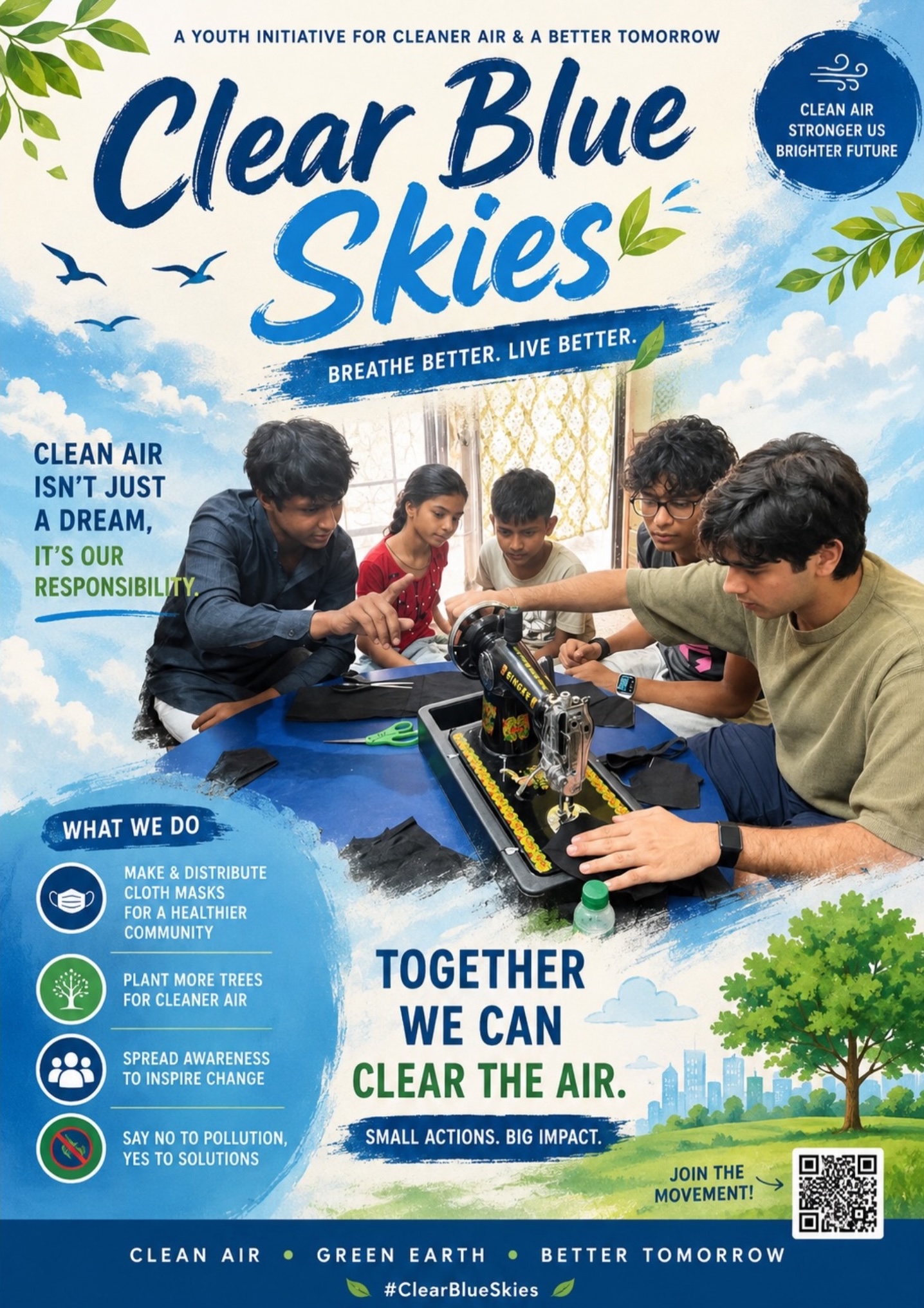
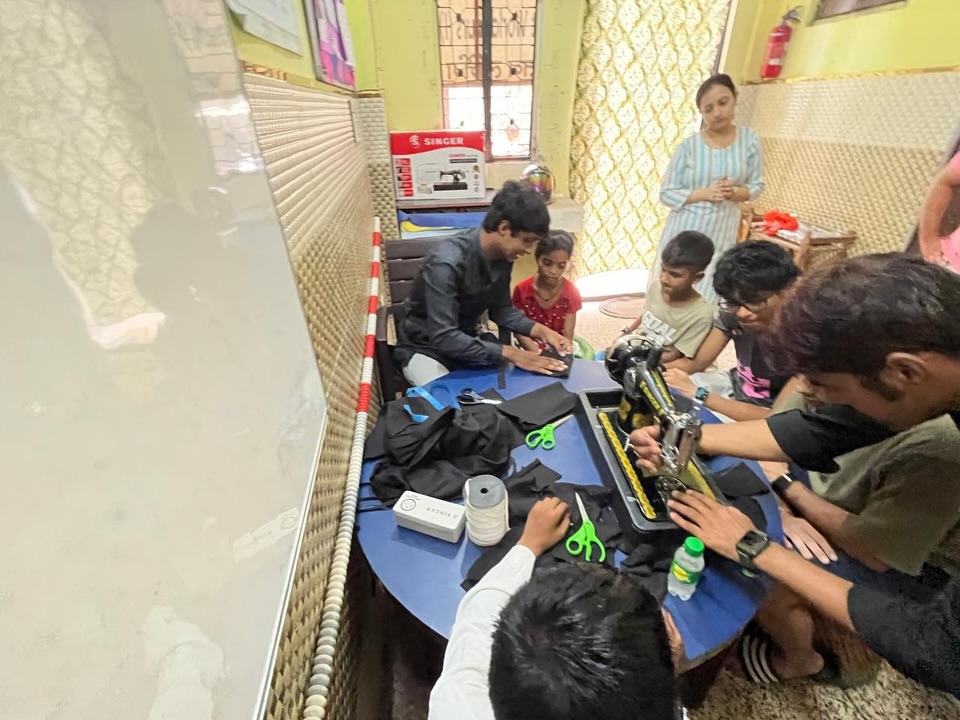
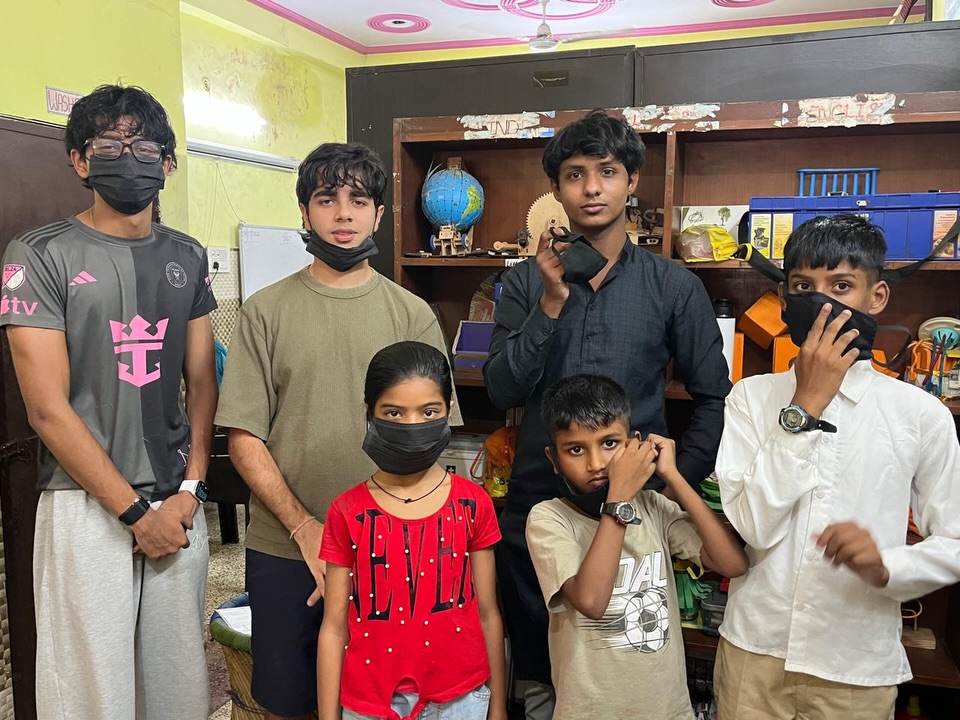
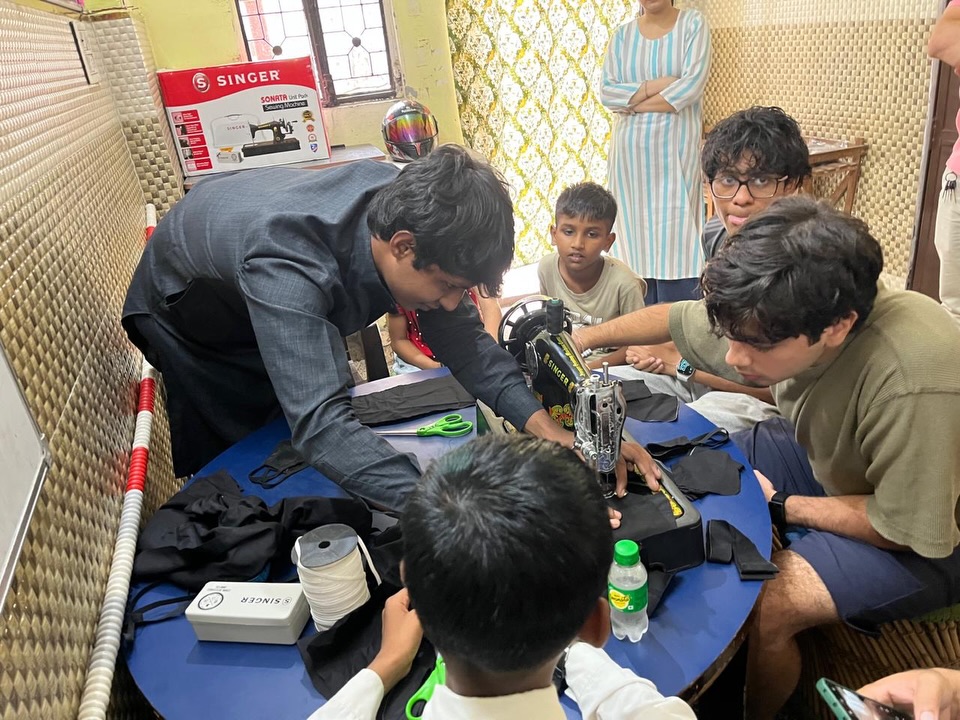
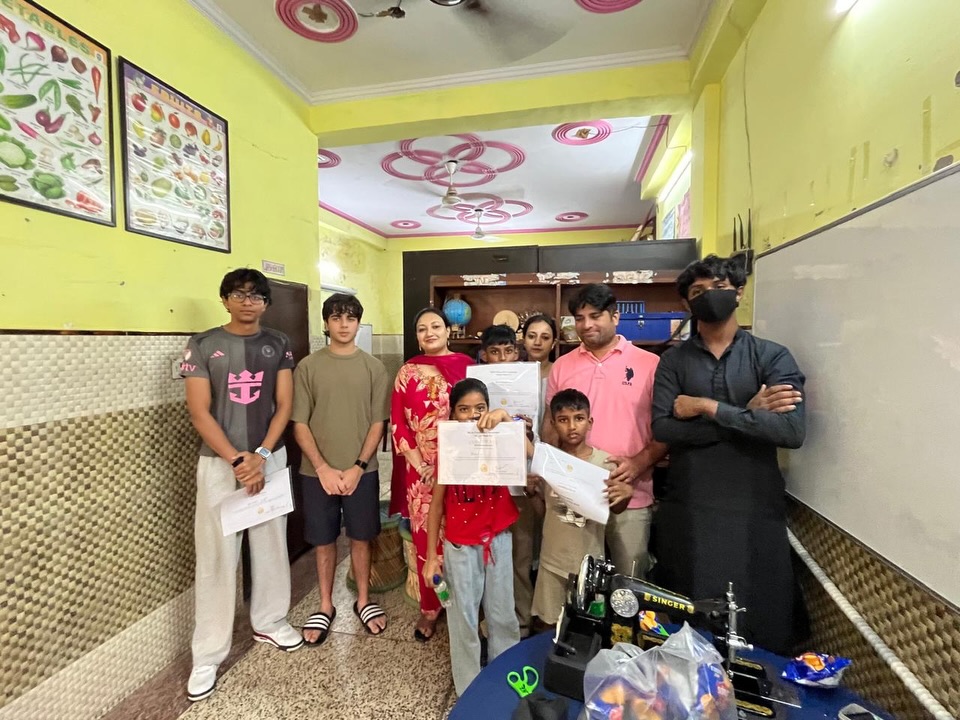
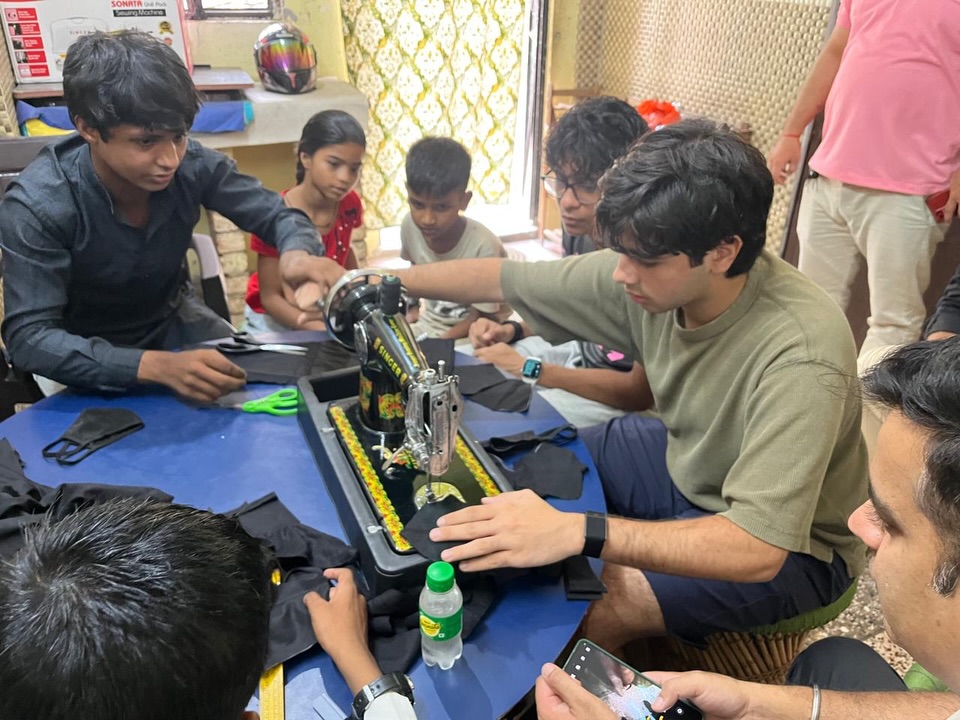
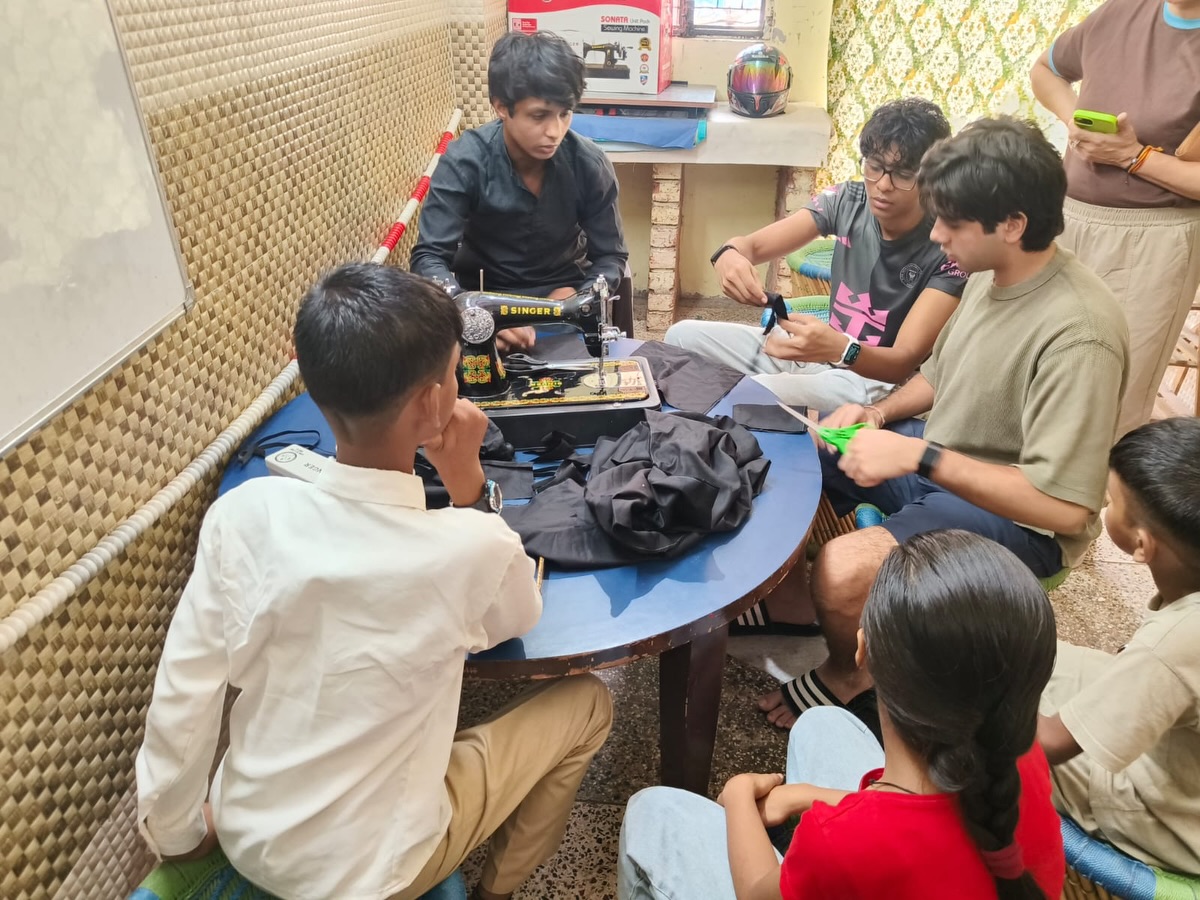
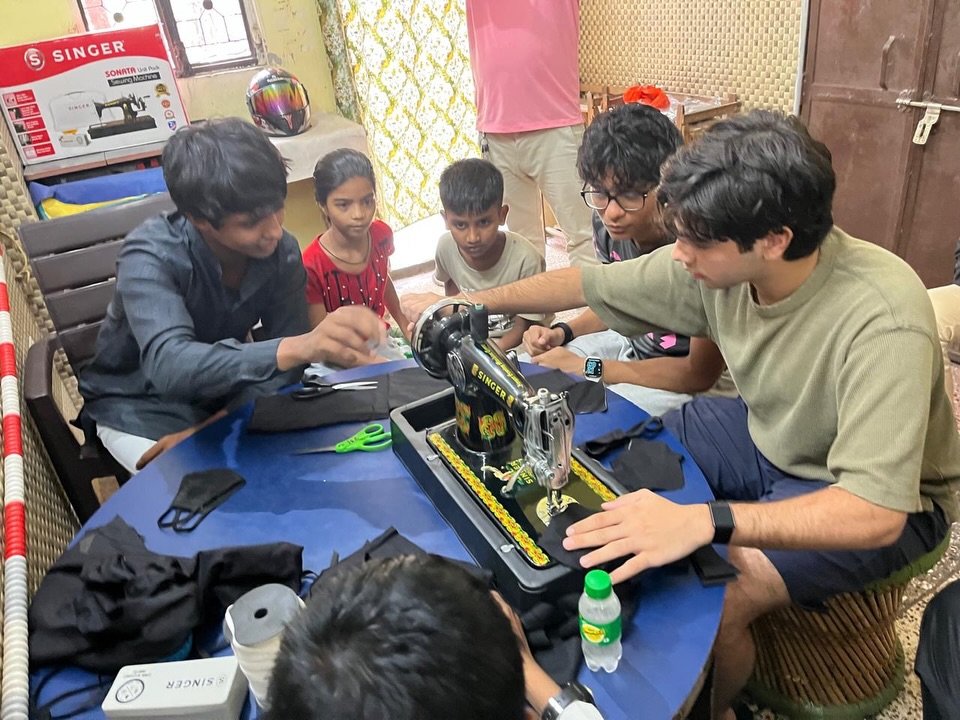
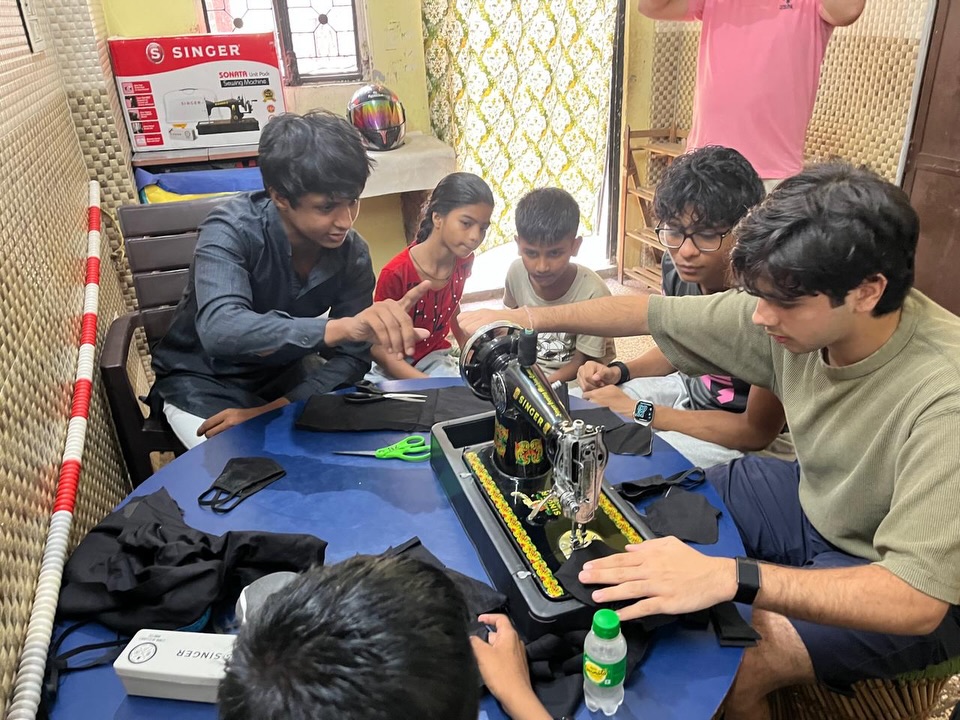
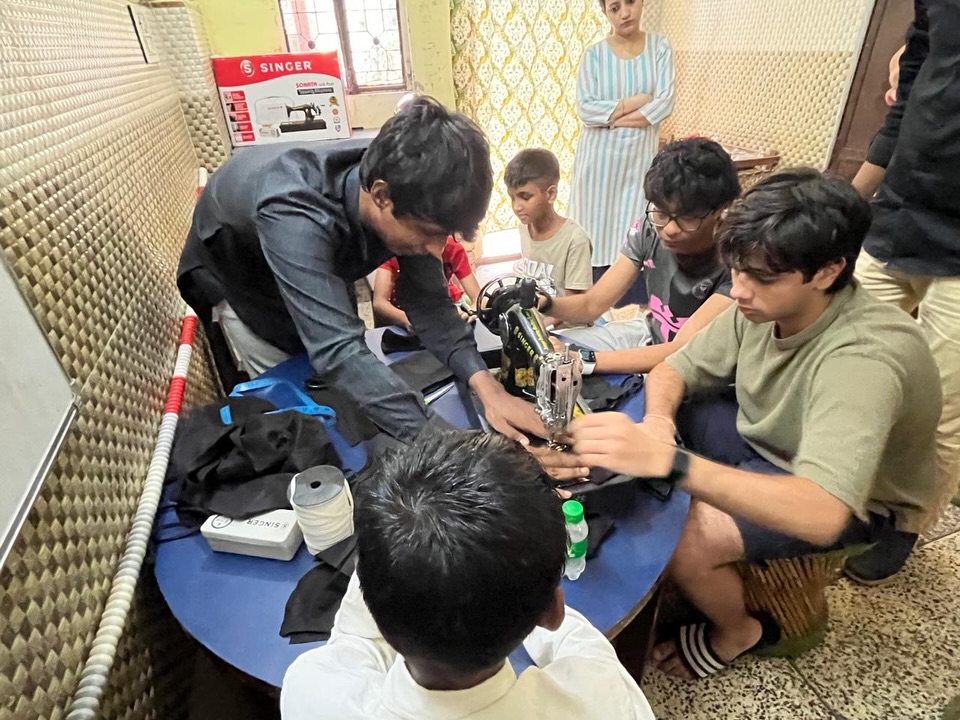
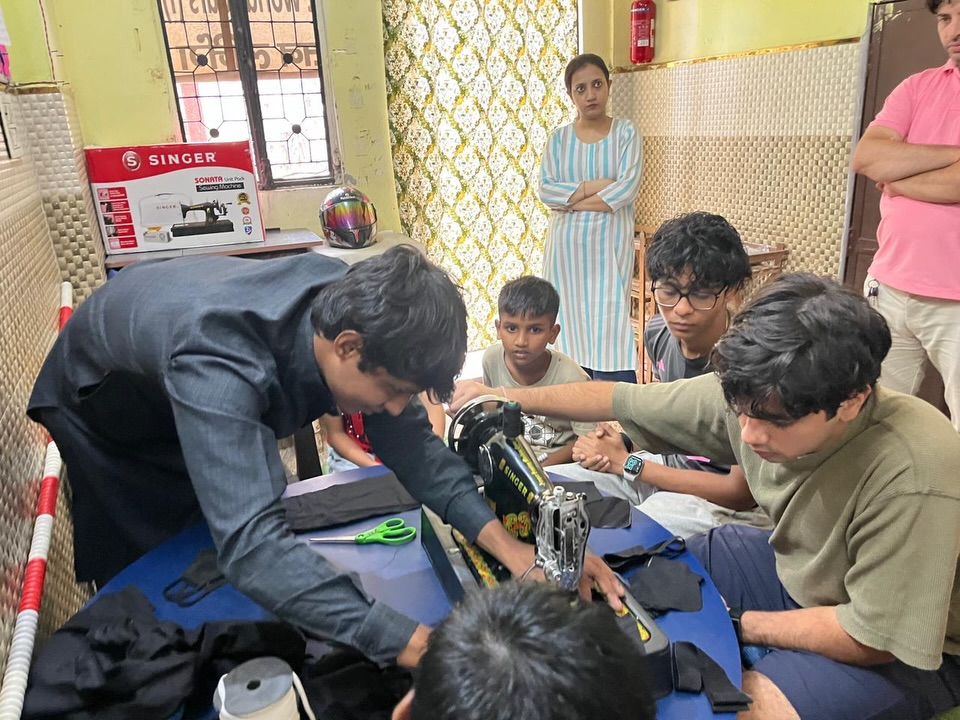
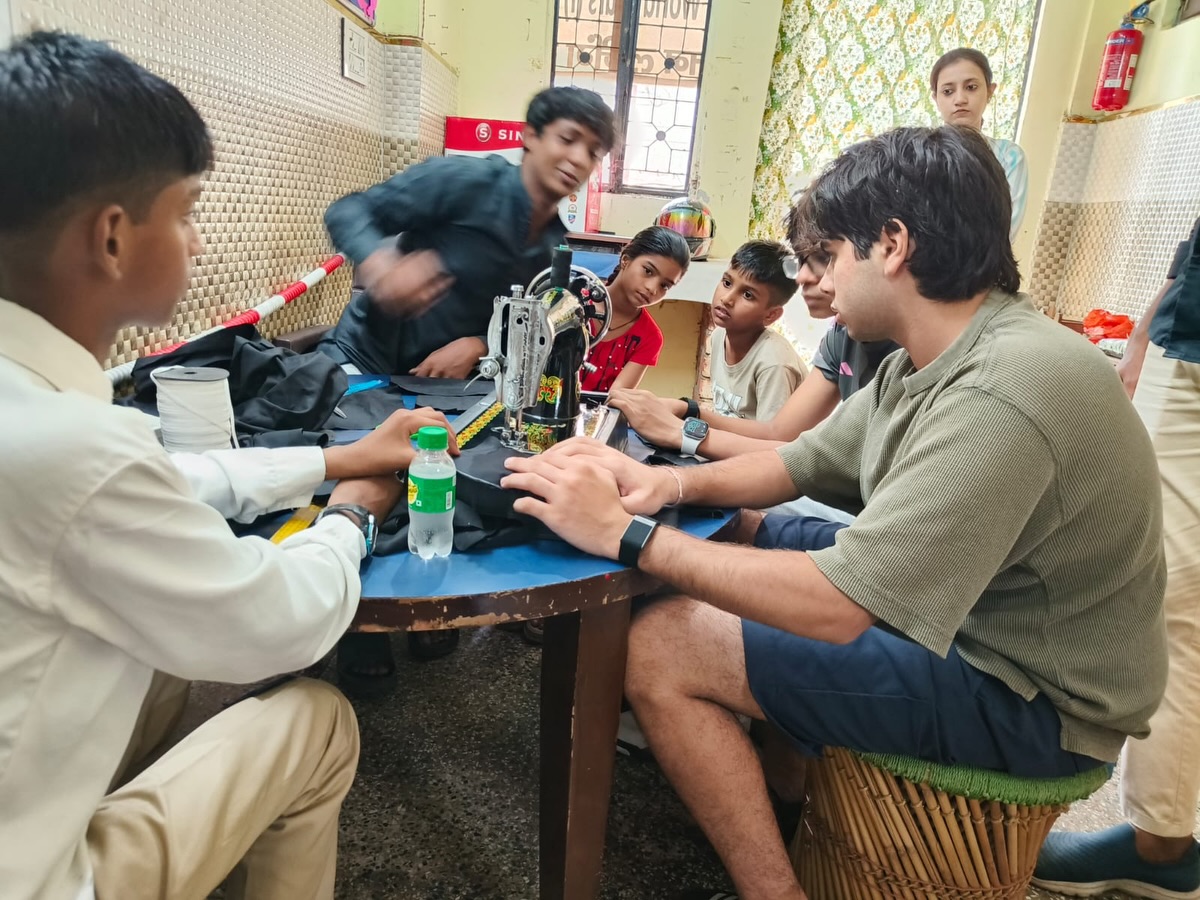
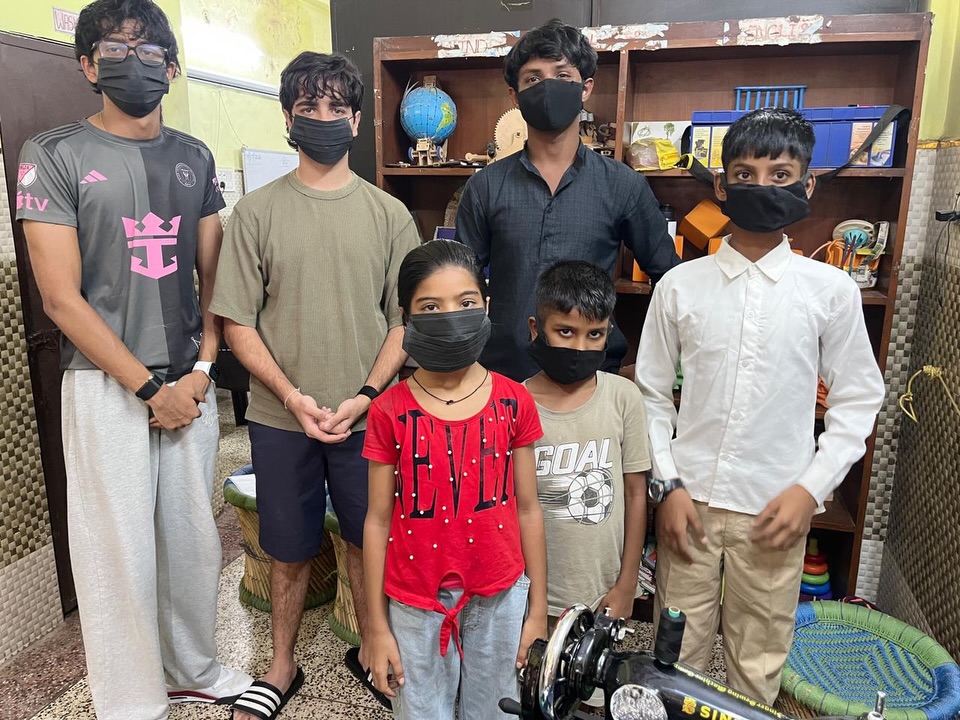
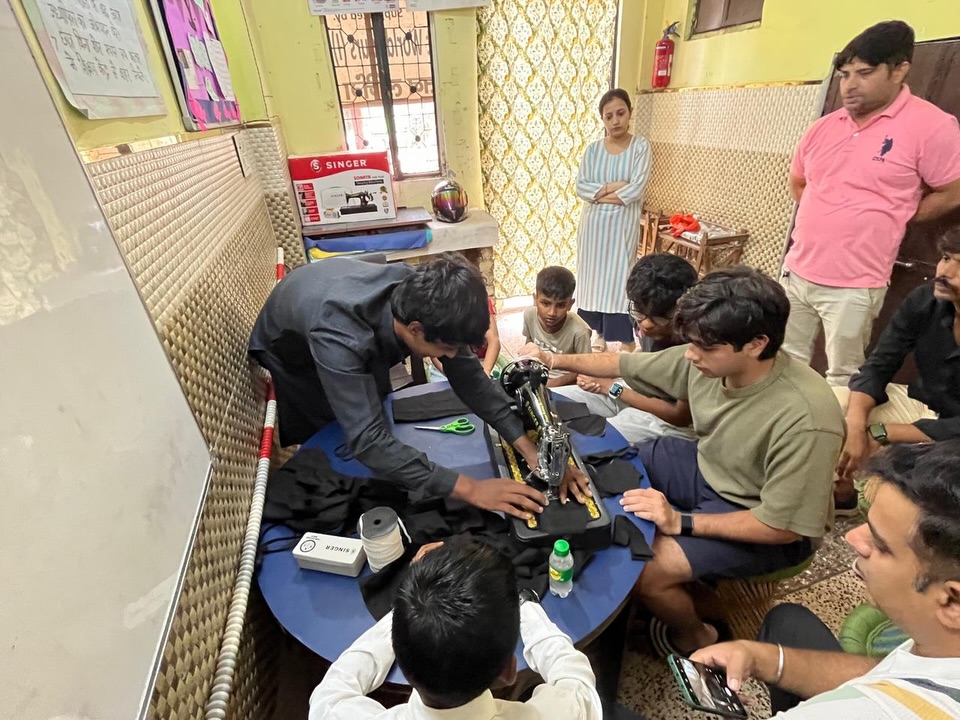
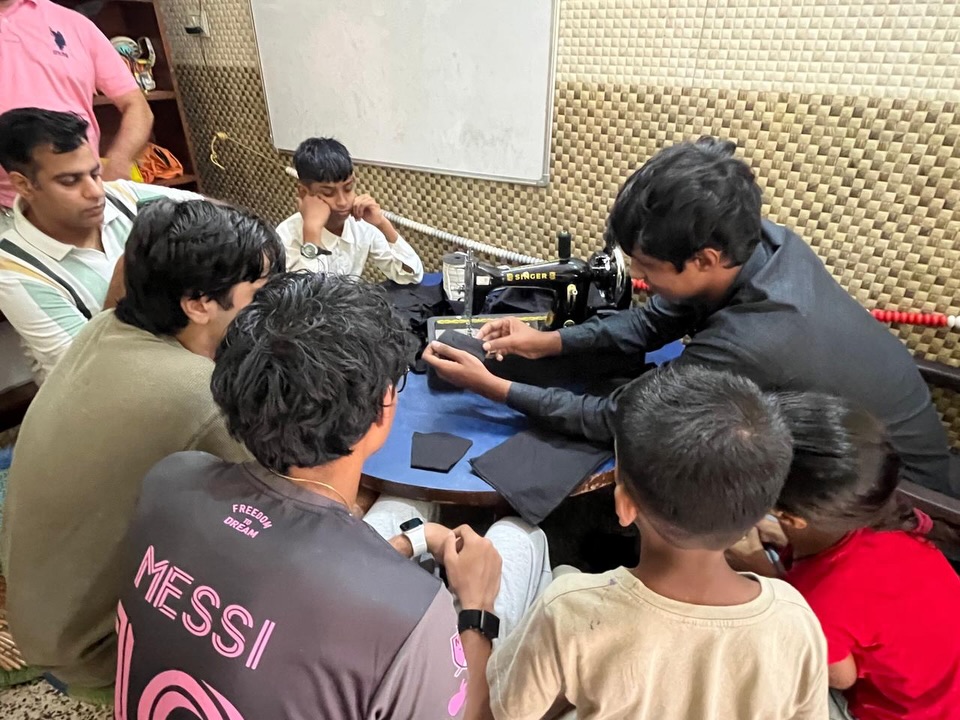
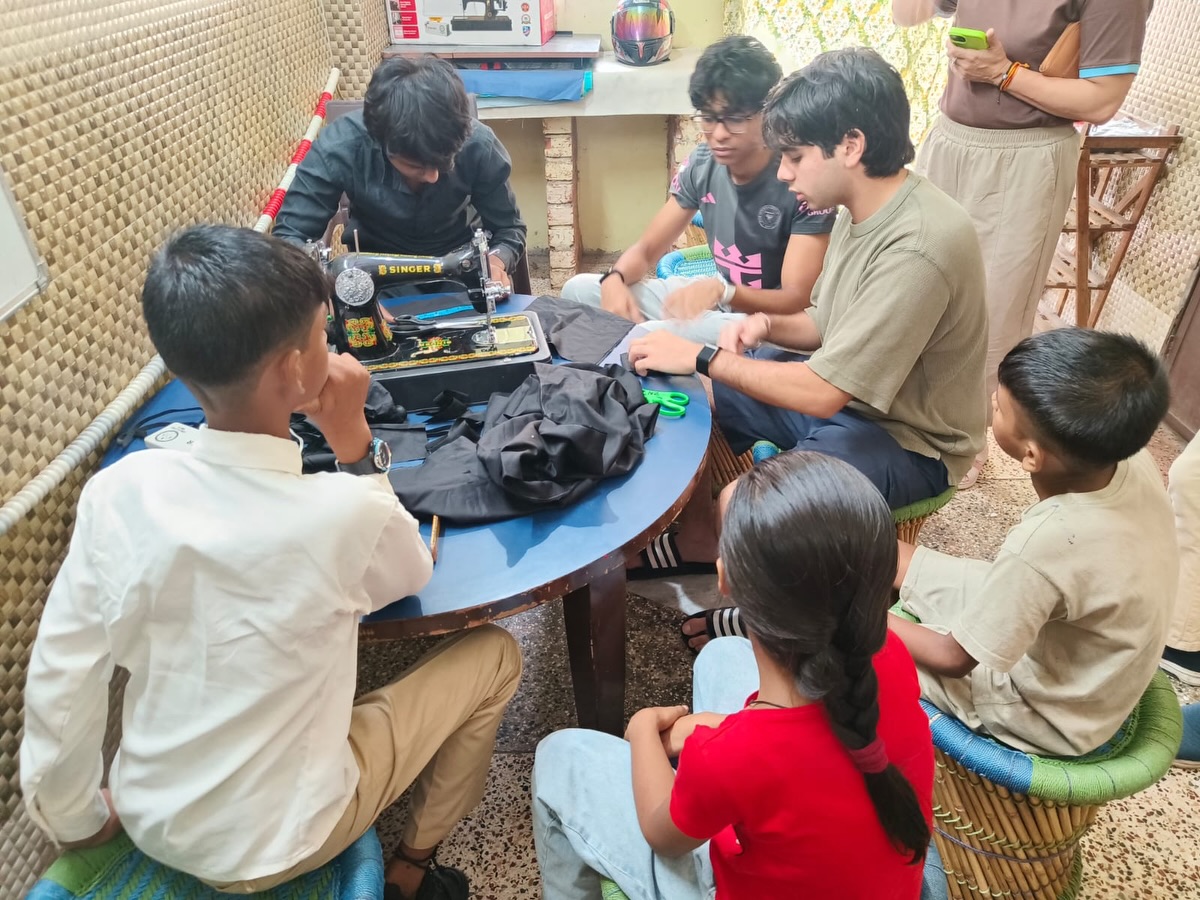
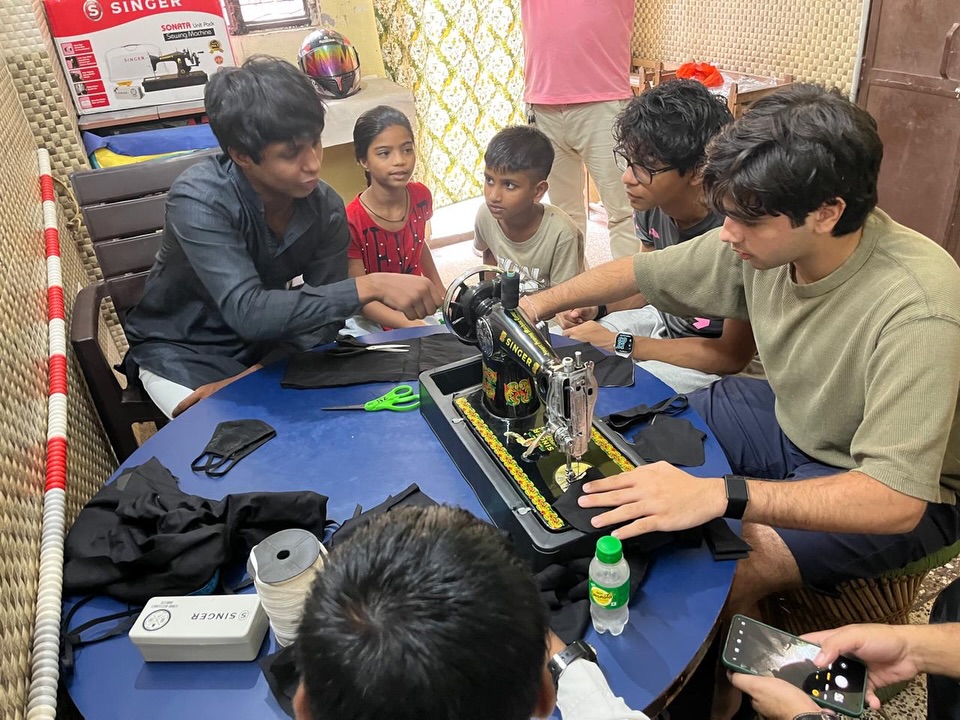
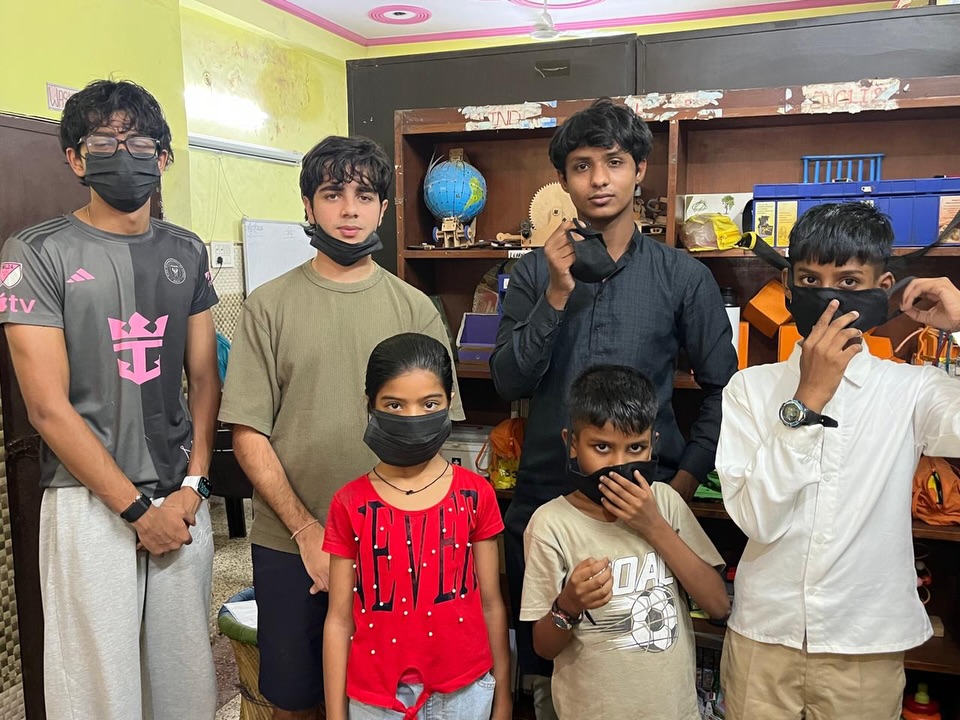
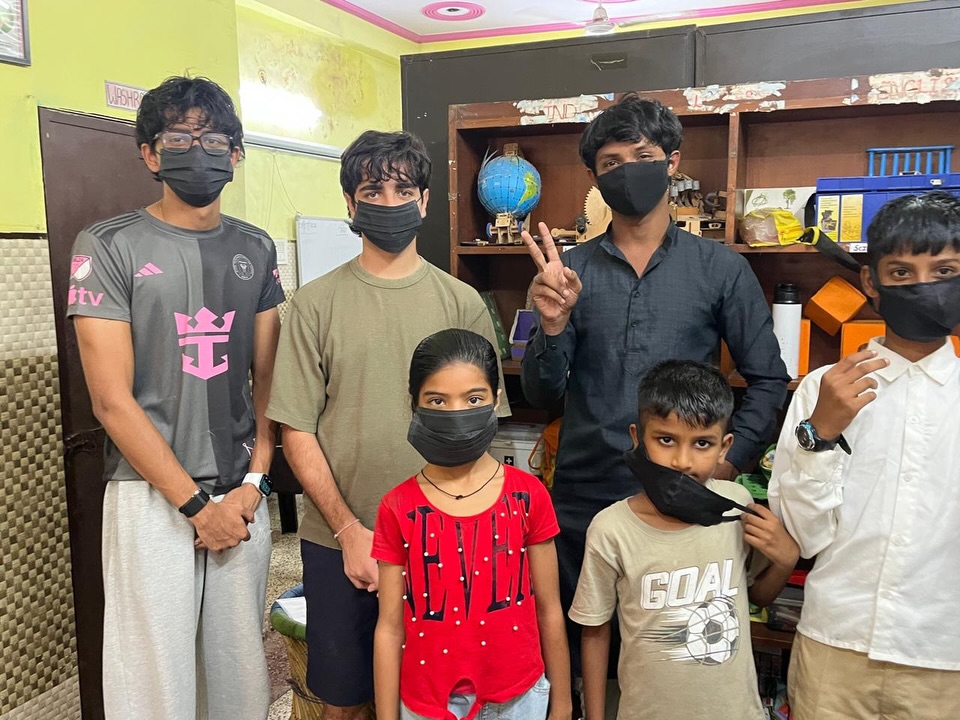
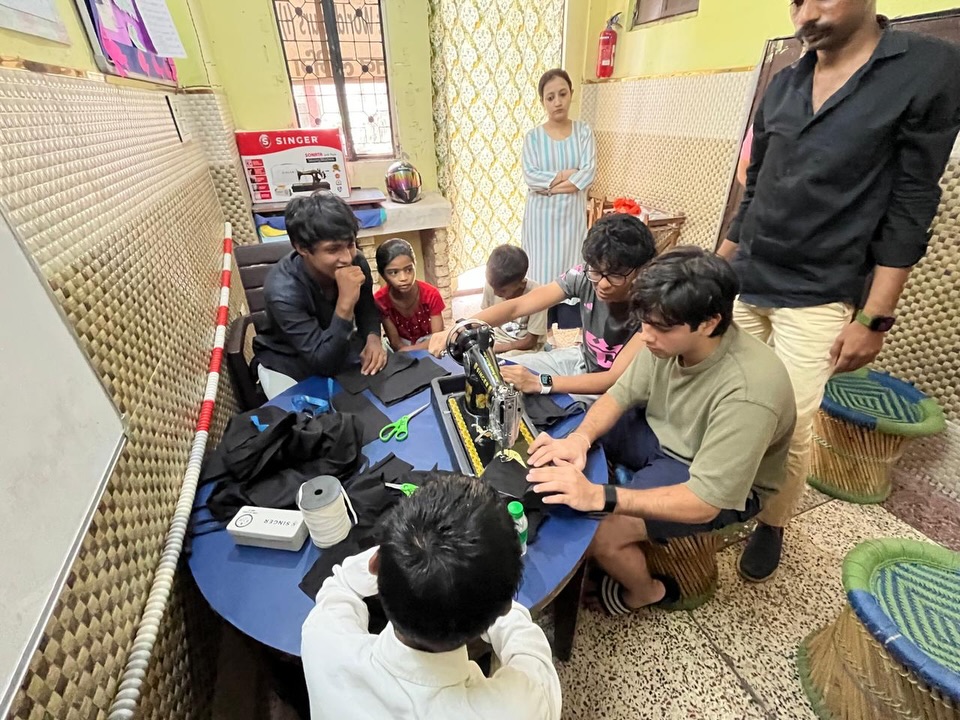
With Chintan Environmental Research and Action Group an environmental research and advocacy organisation in Delhi, and community members in Nizamuddin Basti, the work developed into Project Mask-Up. Reusable masks were made with sewing machines and recycled material, with students and community members participating in the process itself. The project also included fundraising to support the equipment and material needed to keep the initiative going.
Student volunteers have since joined the Mask-Up initiative, helping run mask-making sessions and mentoring junior members so the work keeps growing beyond its founding team.
Mask making with Chintan NGO for children of Nizamuddin Basti
Fundraiser for Sewing Machines and materials
Volunteers contributing to mask making drive
Change the Condition, Not Just the Behaviour
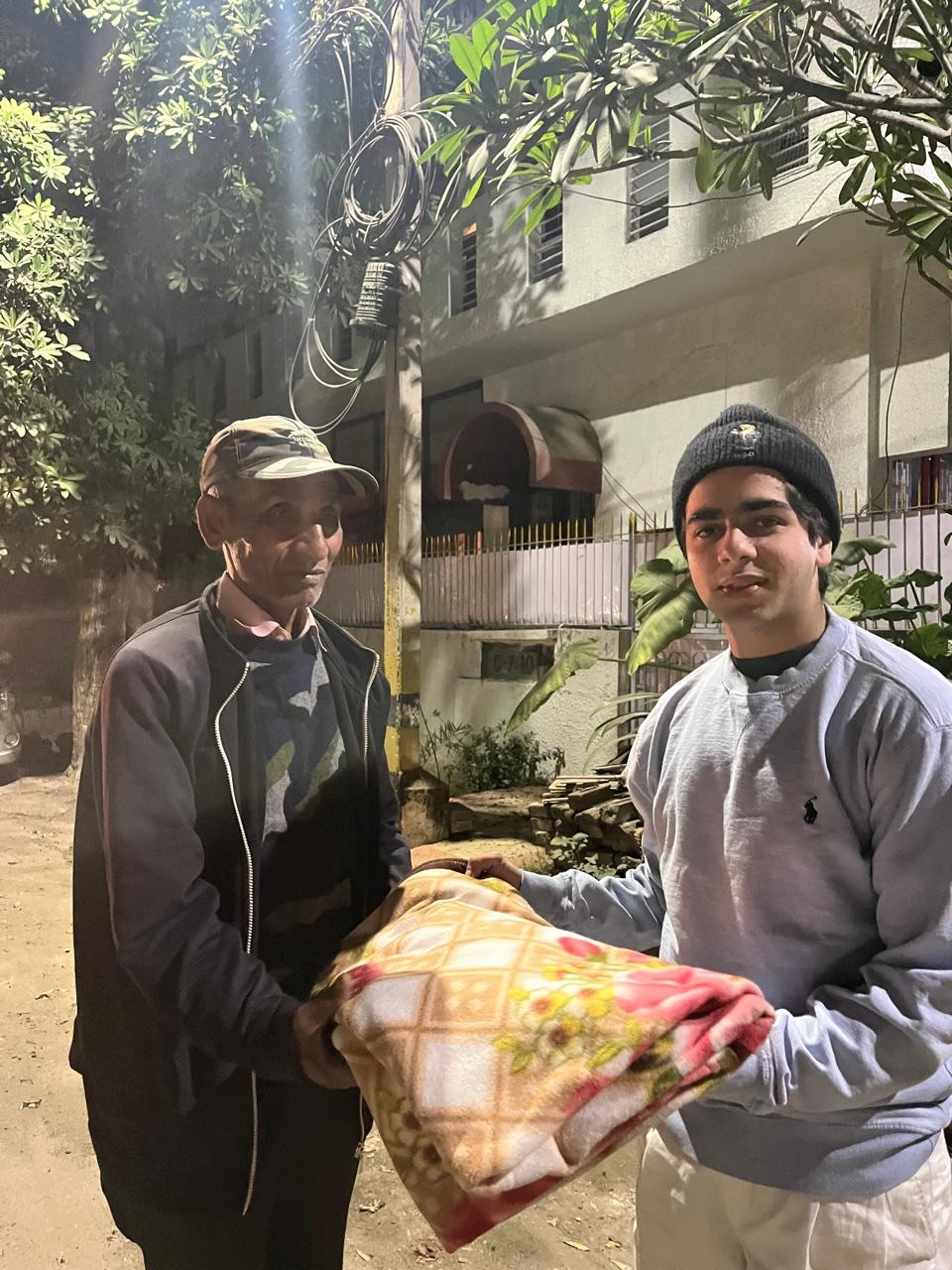
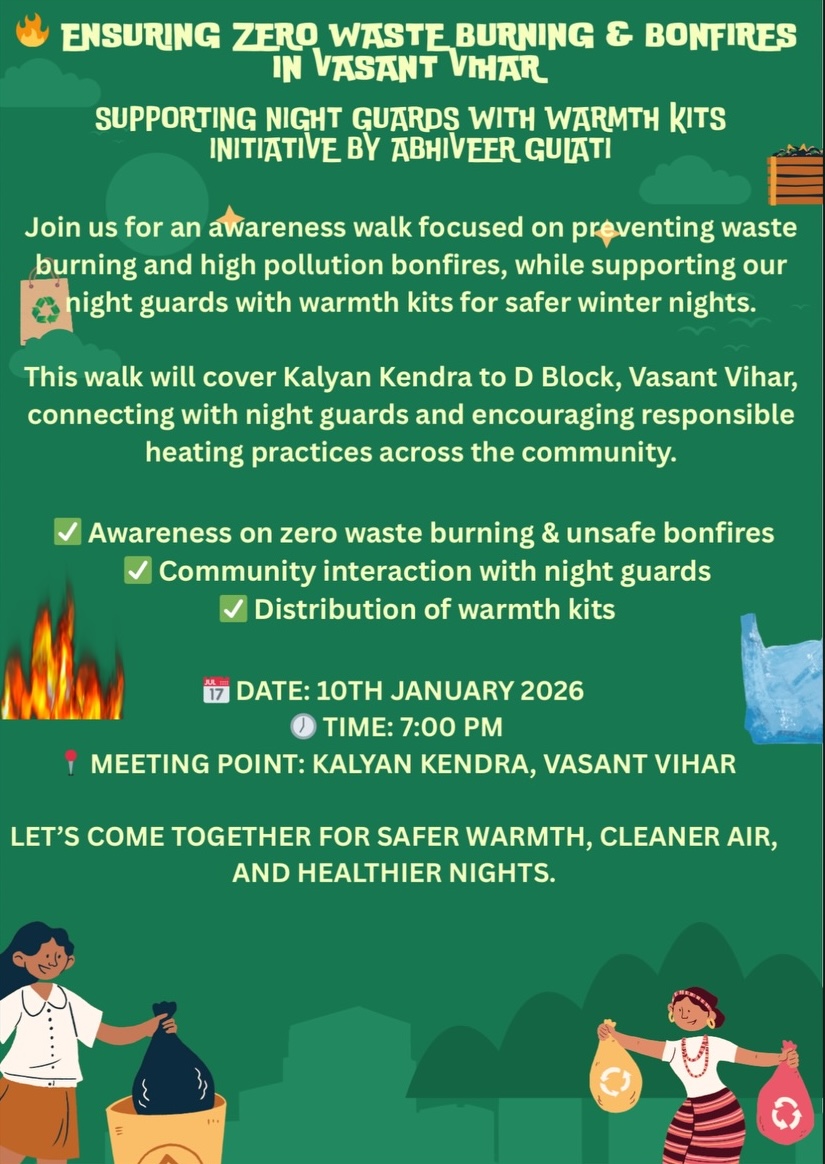
Winter bonfires used by guards and informal workers presented a different problem. Simply asking someone not to light a fire ignores why it is there in the first place. The campaign responded with warmth and protection kits that offered a practical alternative.
Sometimes changing behaviour begins with understanding why the behaviour exists.
images/environmental/warmth-kits.jpg
Better2Bus
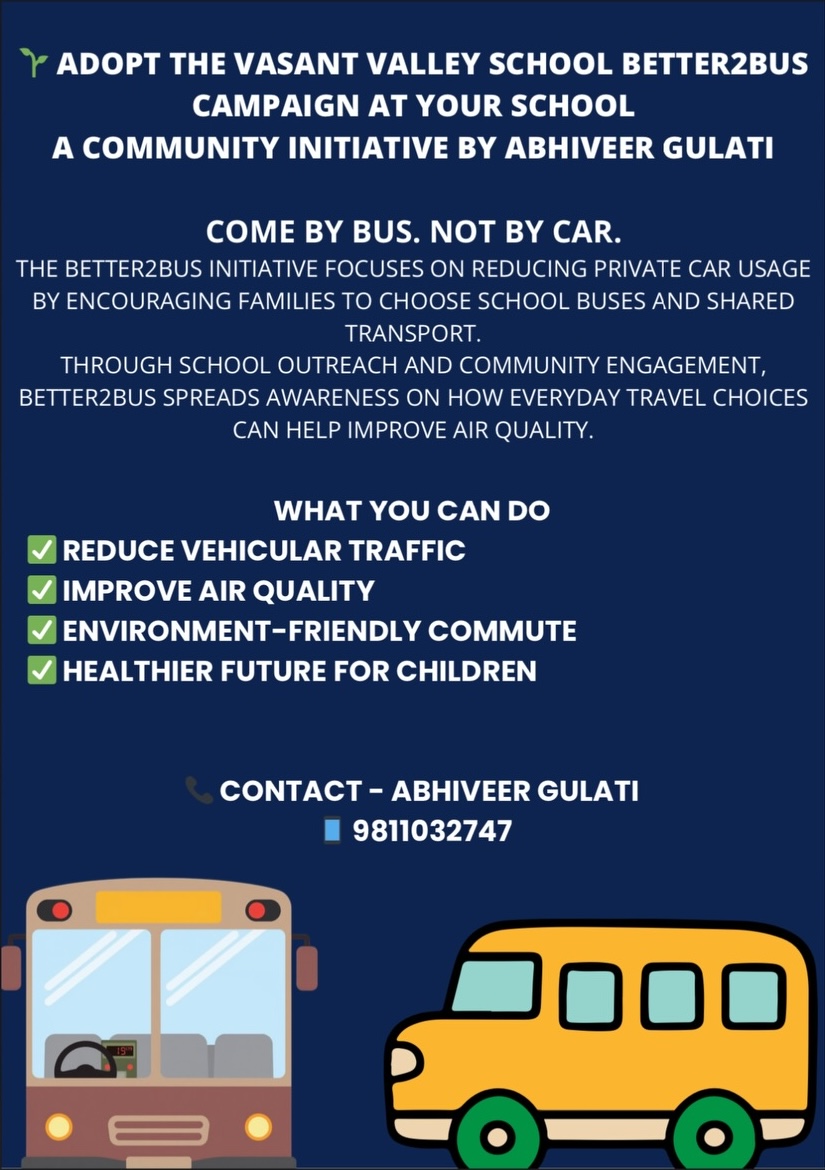
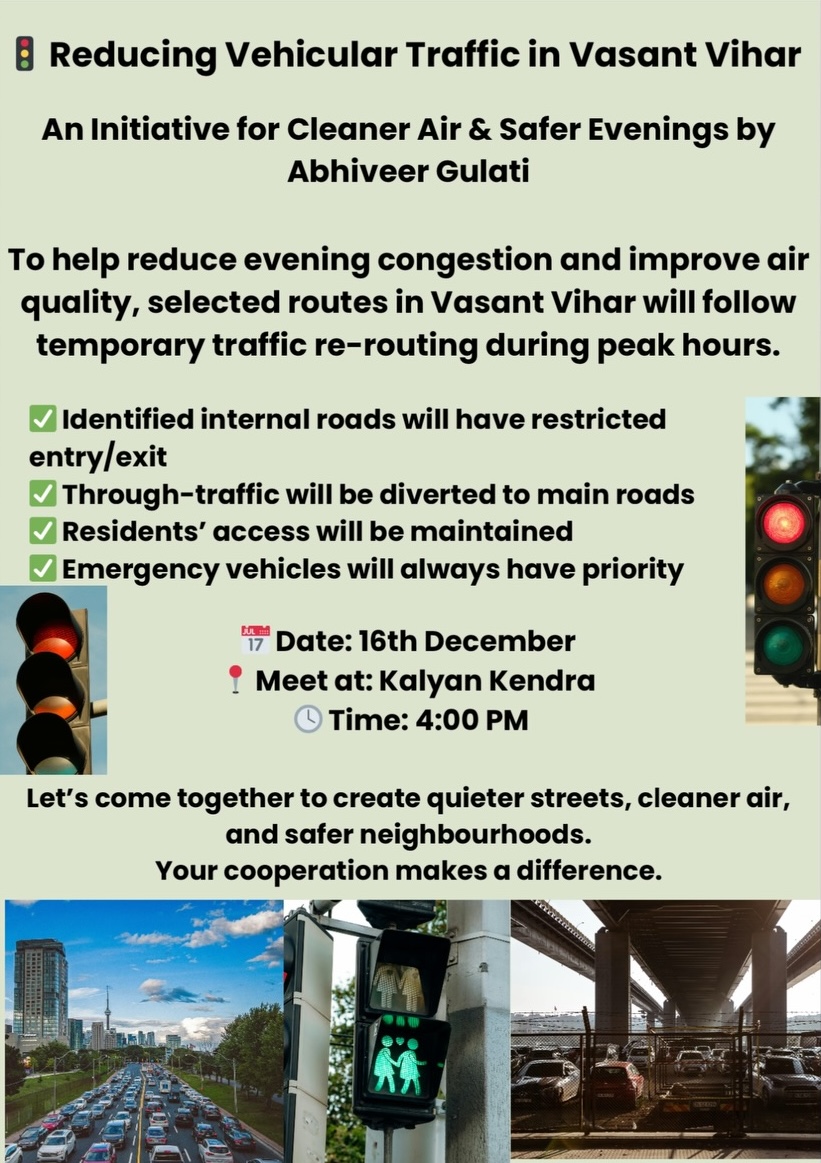
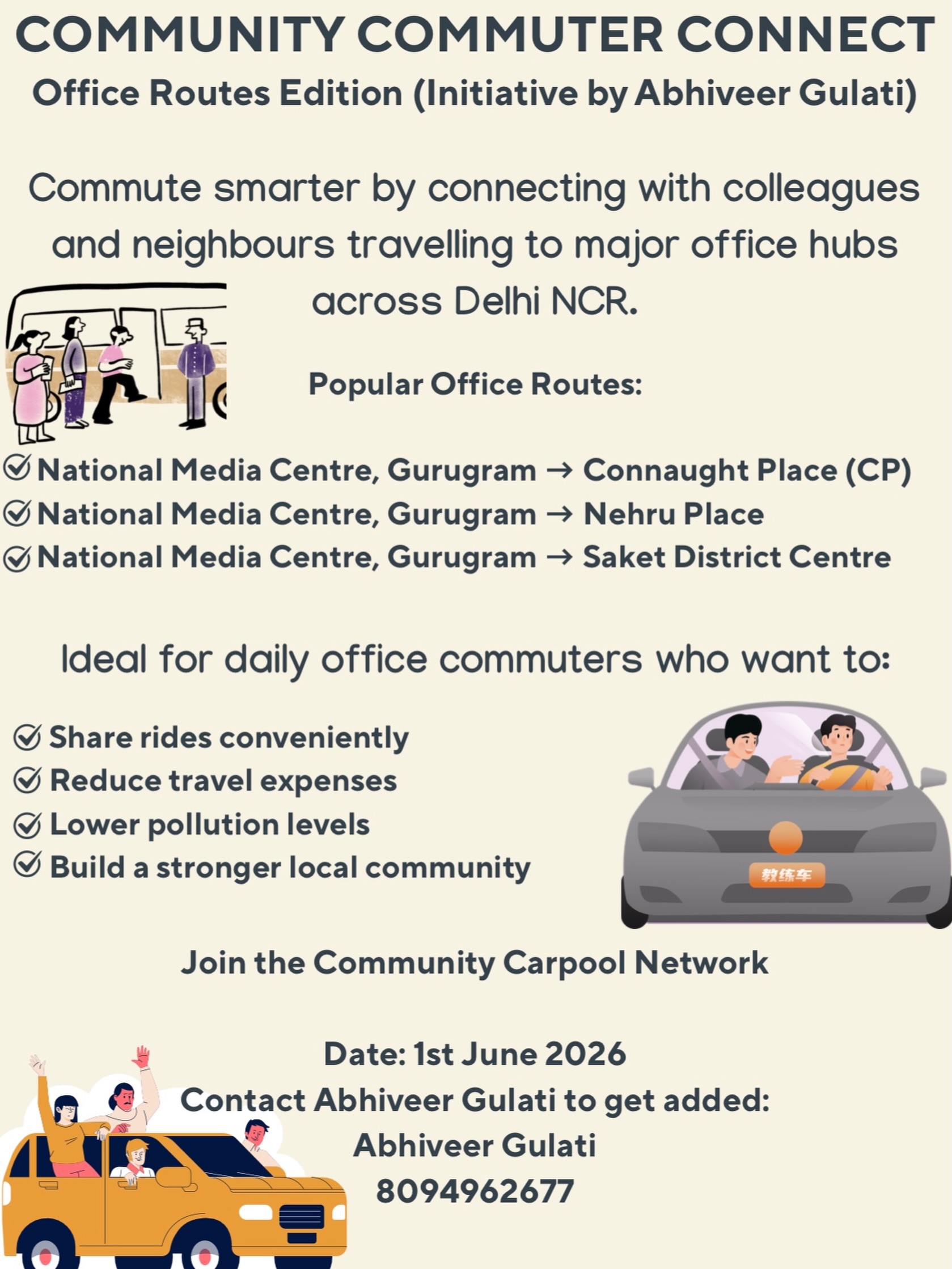
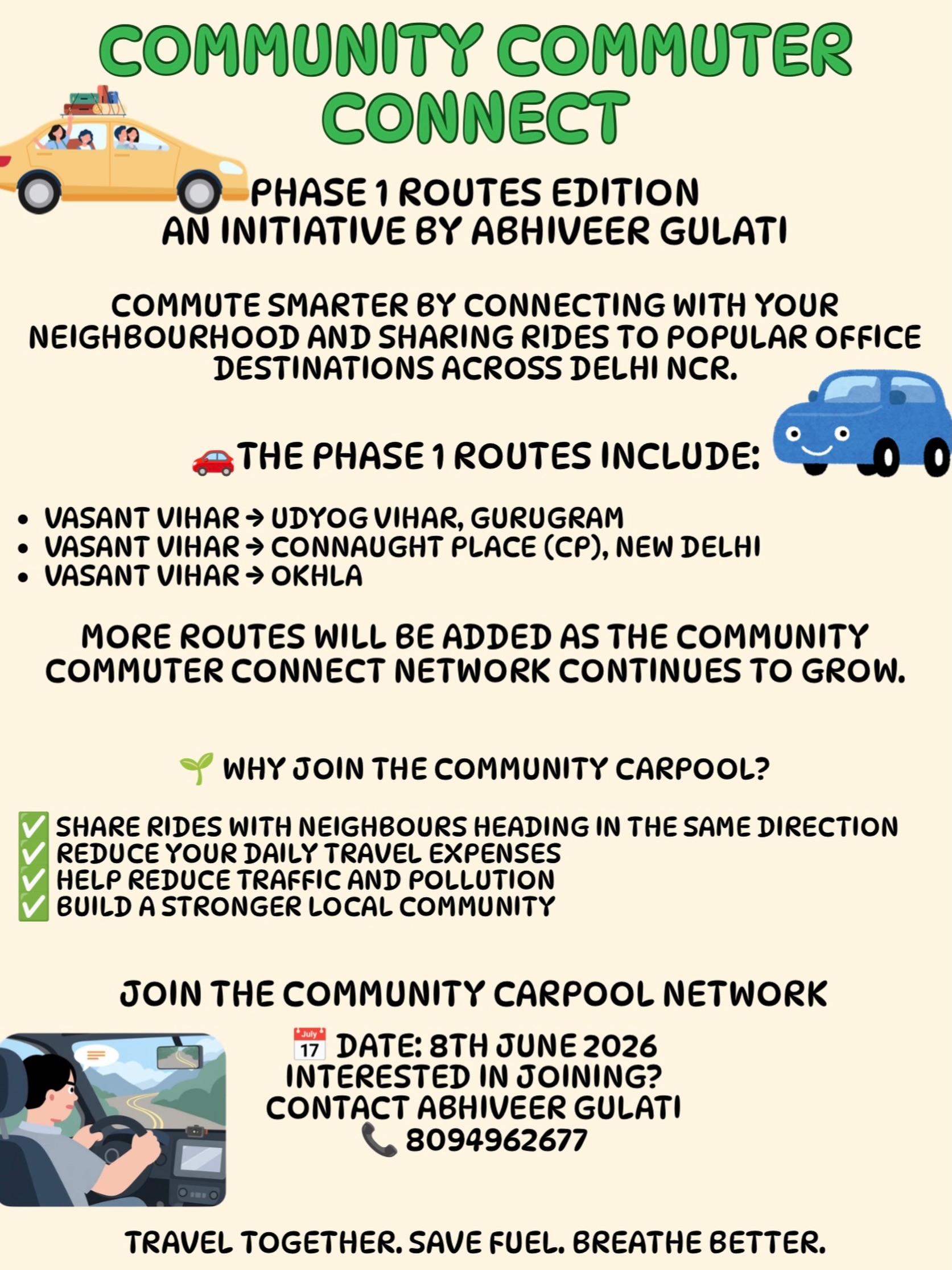
Transport was another part of the problem that felt possible to influence locally. Through Better2Bus, students across local schools were encouraged to choose school buses instead of individual private vehicles. The idea moved beyond school through Community Commuters Connect, bringing residents together around shared carpools and other ways of reducing unnecessary vehicle journeys.
Better2Bus Guide (PDF) →engaged
images/environmental/better2bus.jpg
A Neighbourhood Is a System Too
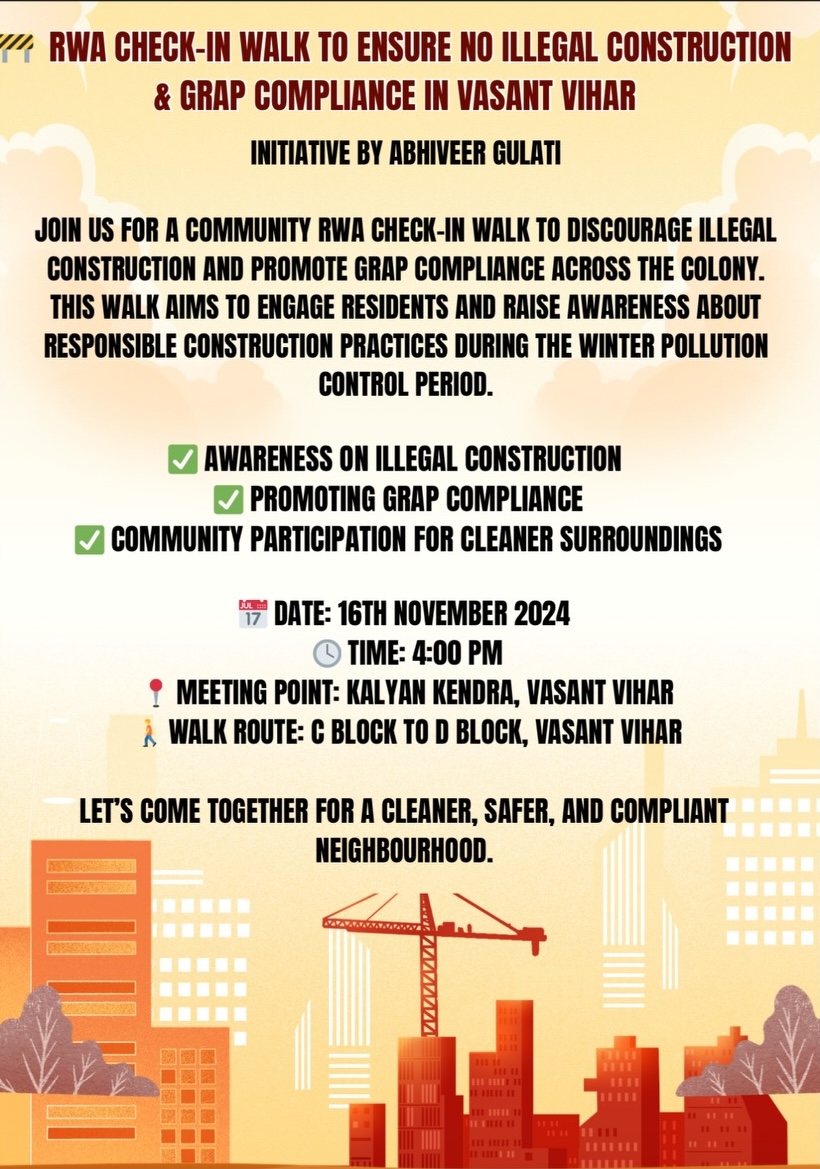
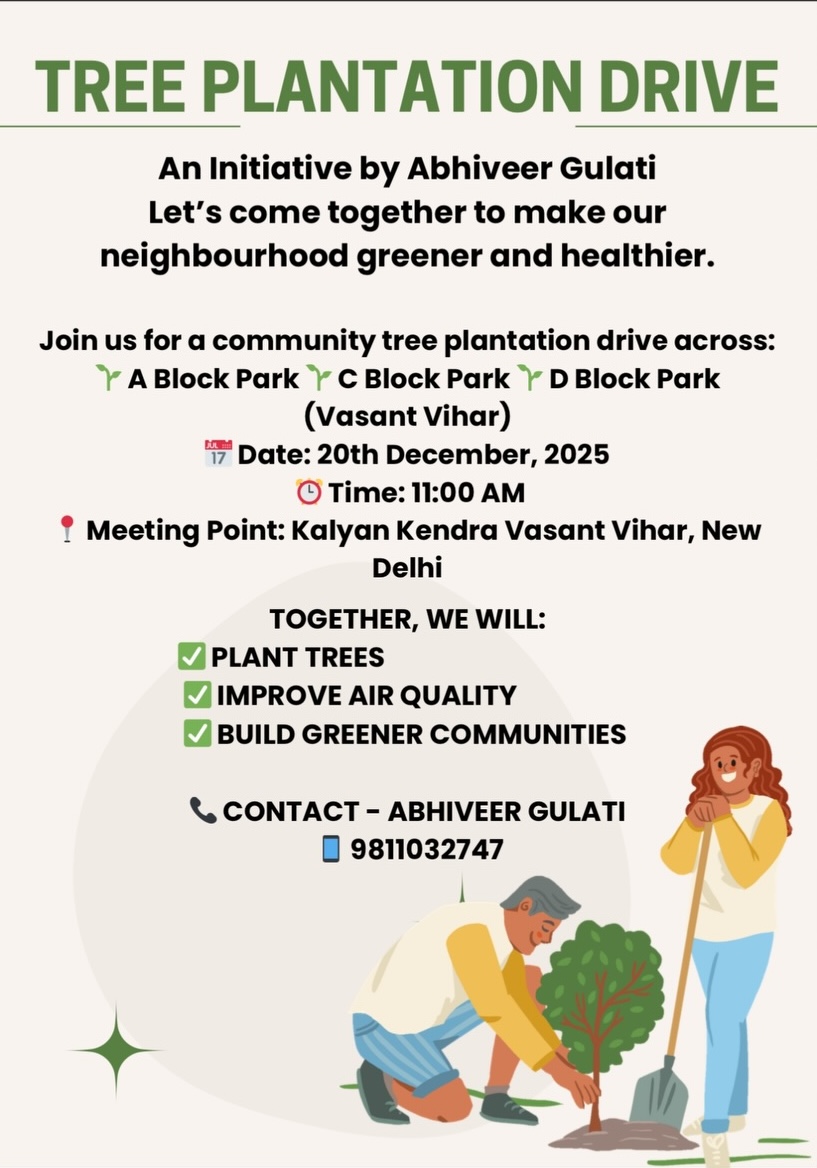
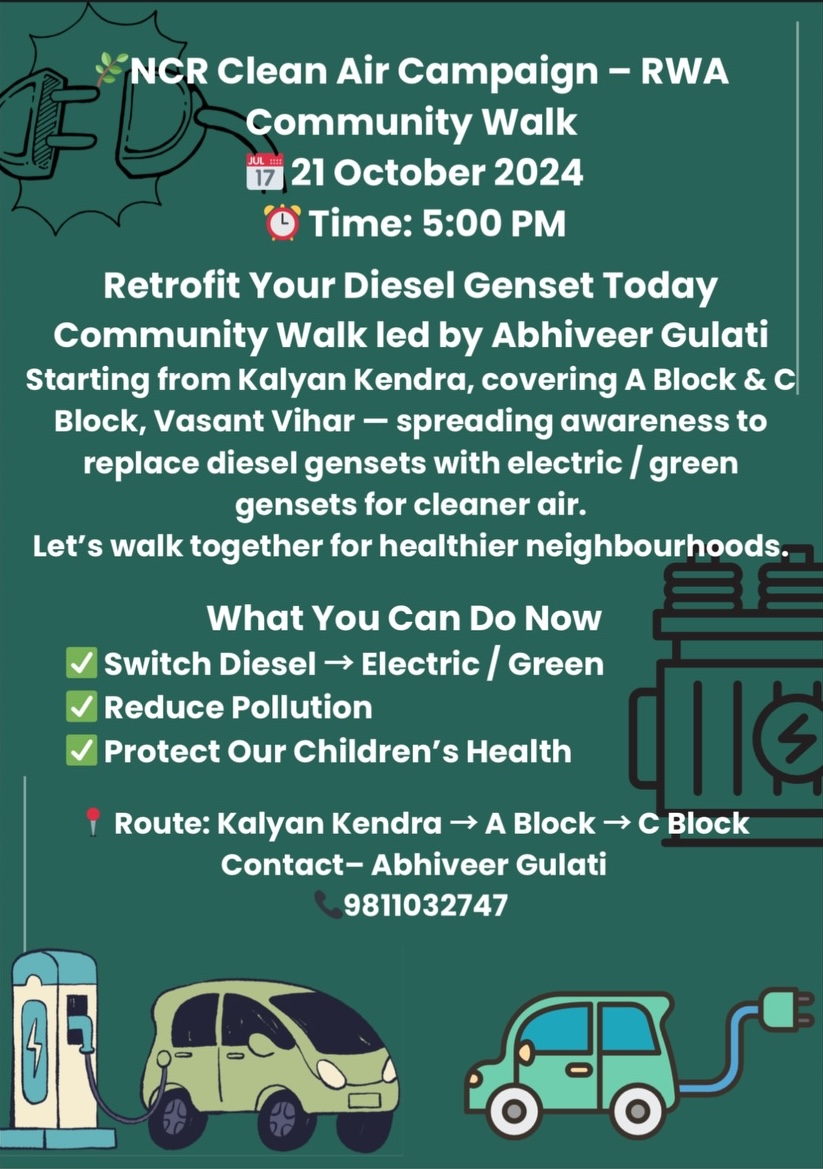
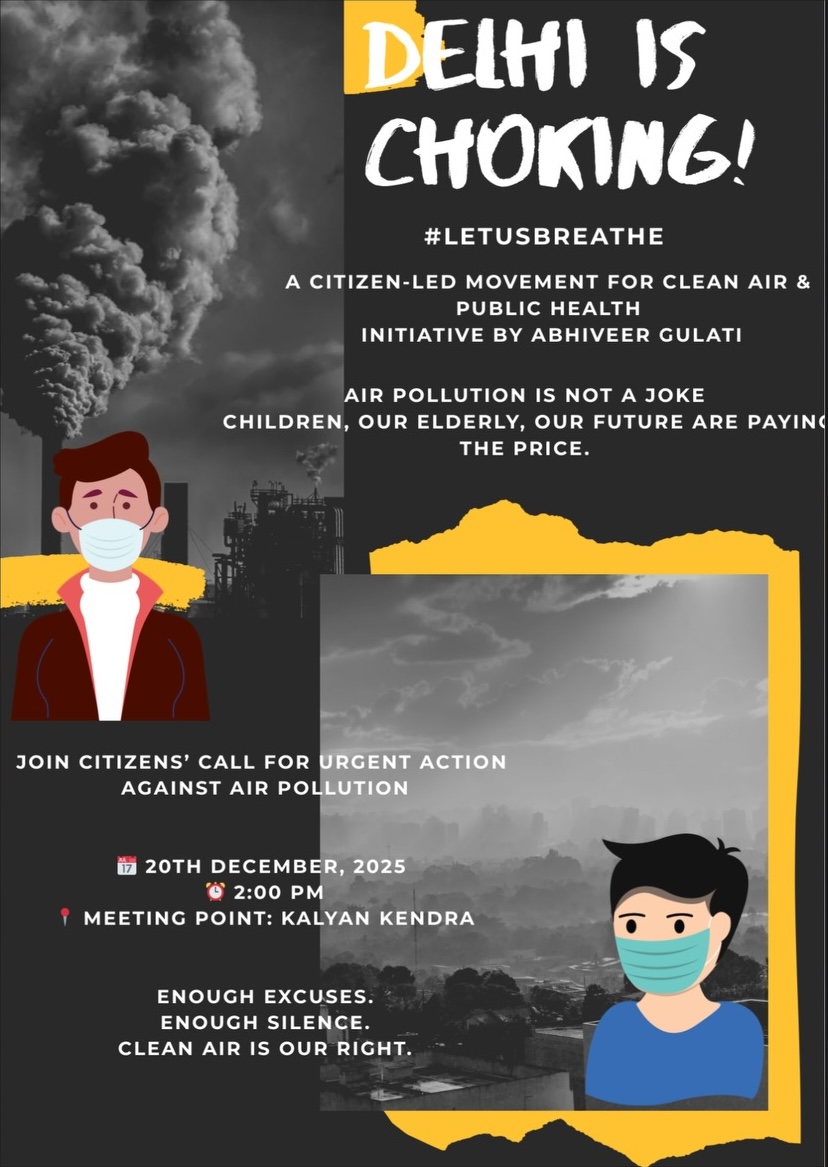
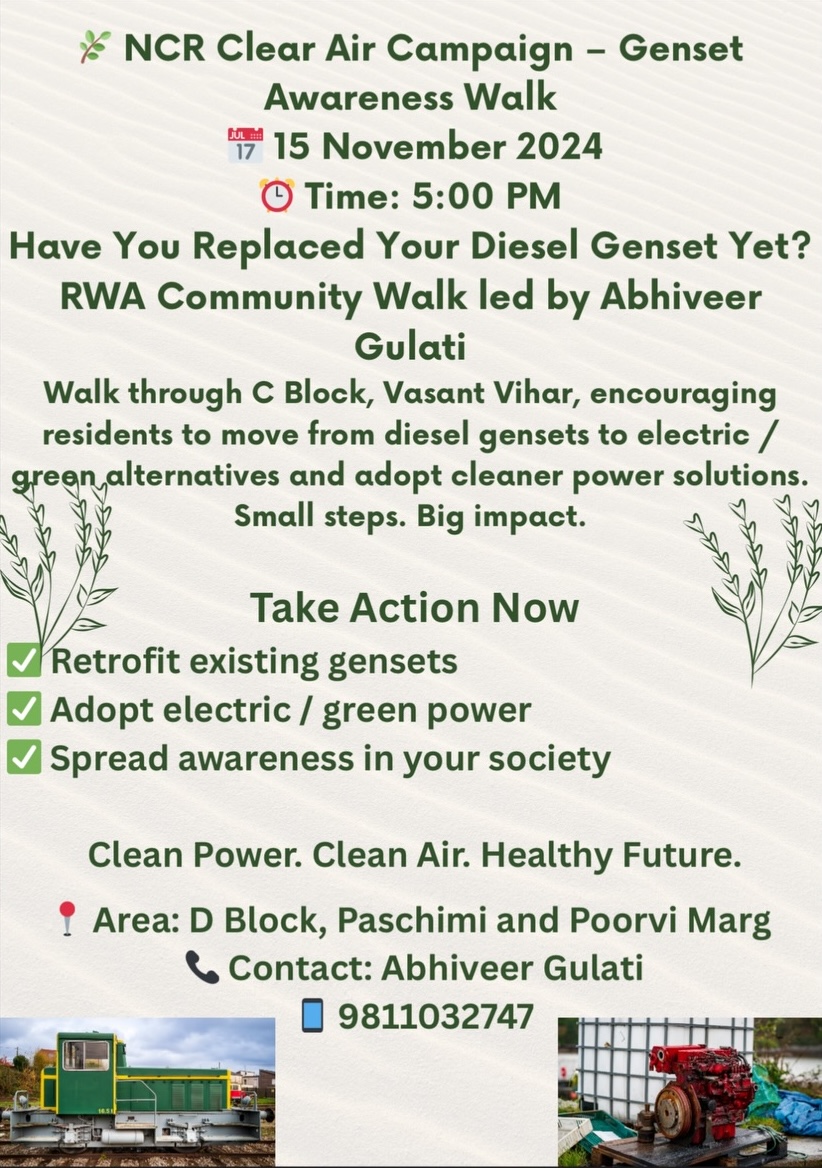
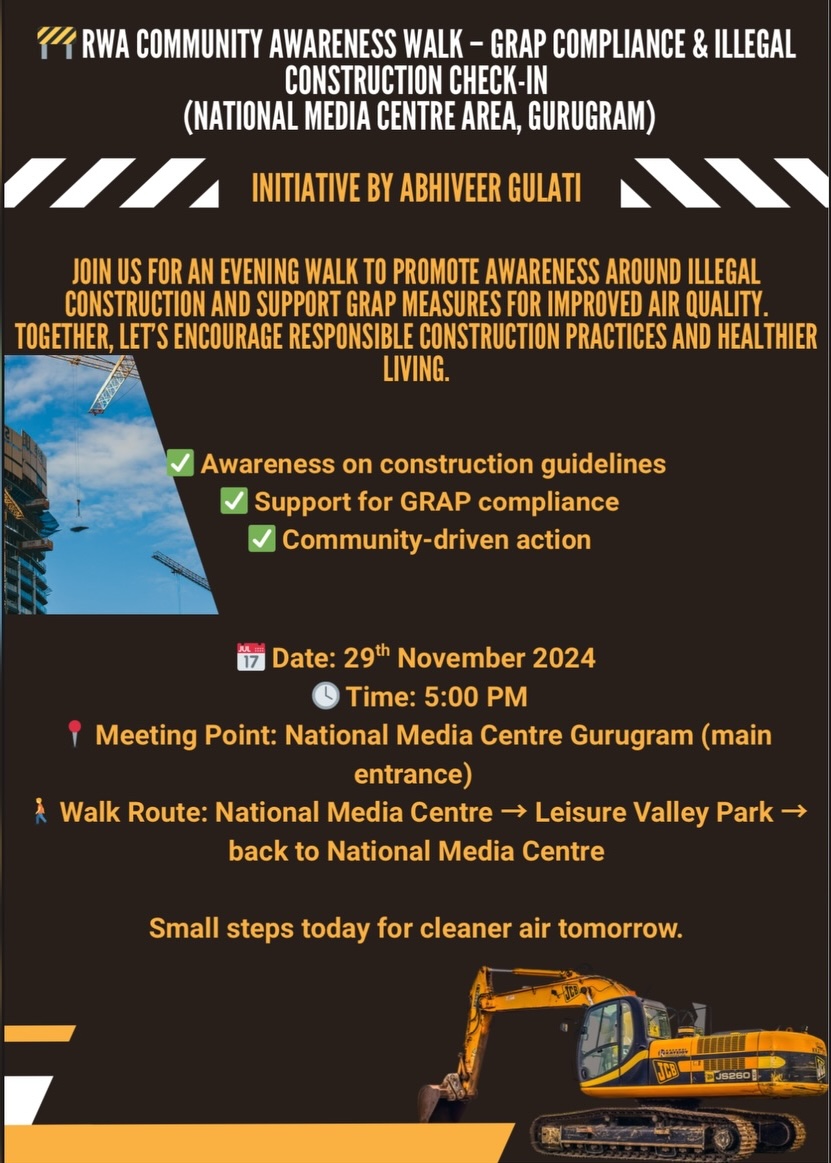
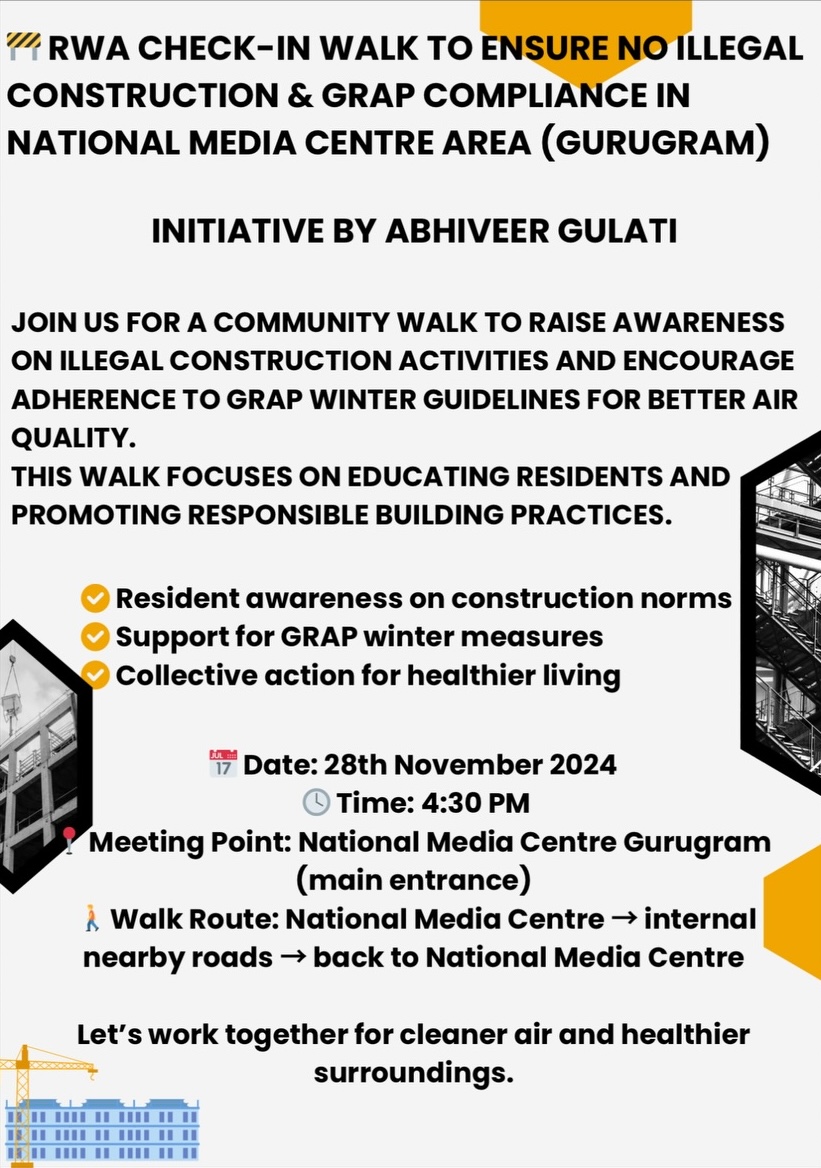
Air quality is shaped by dozens of decisions happening at once: construction, traffic, waste burning, road dust, cleanliness and compliance with GRAP measures. Through sustained connects and collaborations with Resident Welfare Associations (RWAs) and shopkeepers & market associations alongside local residents and the campaign brought different neighbourhood stakeholders into conversations around the things they could influence together.
engaged through
community meetings
market representatives
participating in
recurring discussions
across local parks
connected through
community carpools
passenger trips reduced
during peak hours
From Action to Evidence
What if my own experience was only showing me part of the problem?
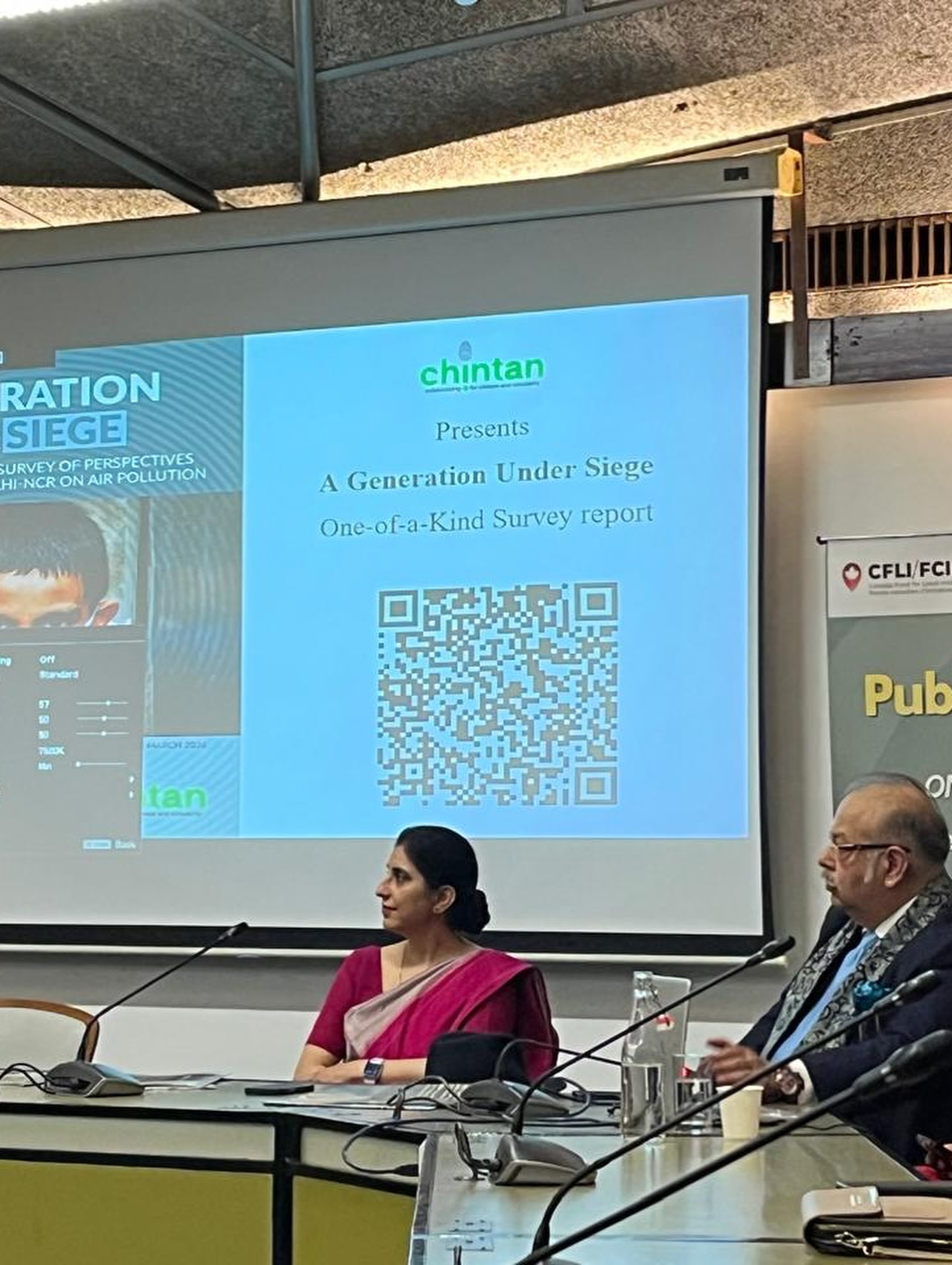
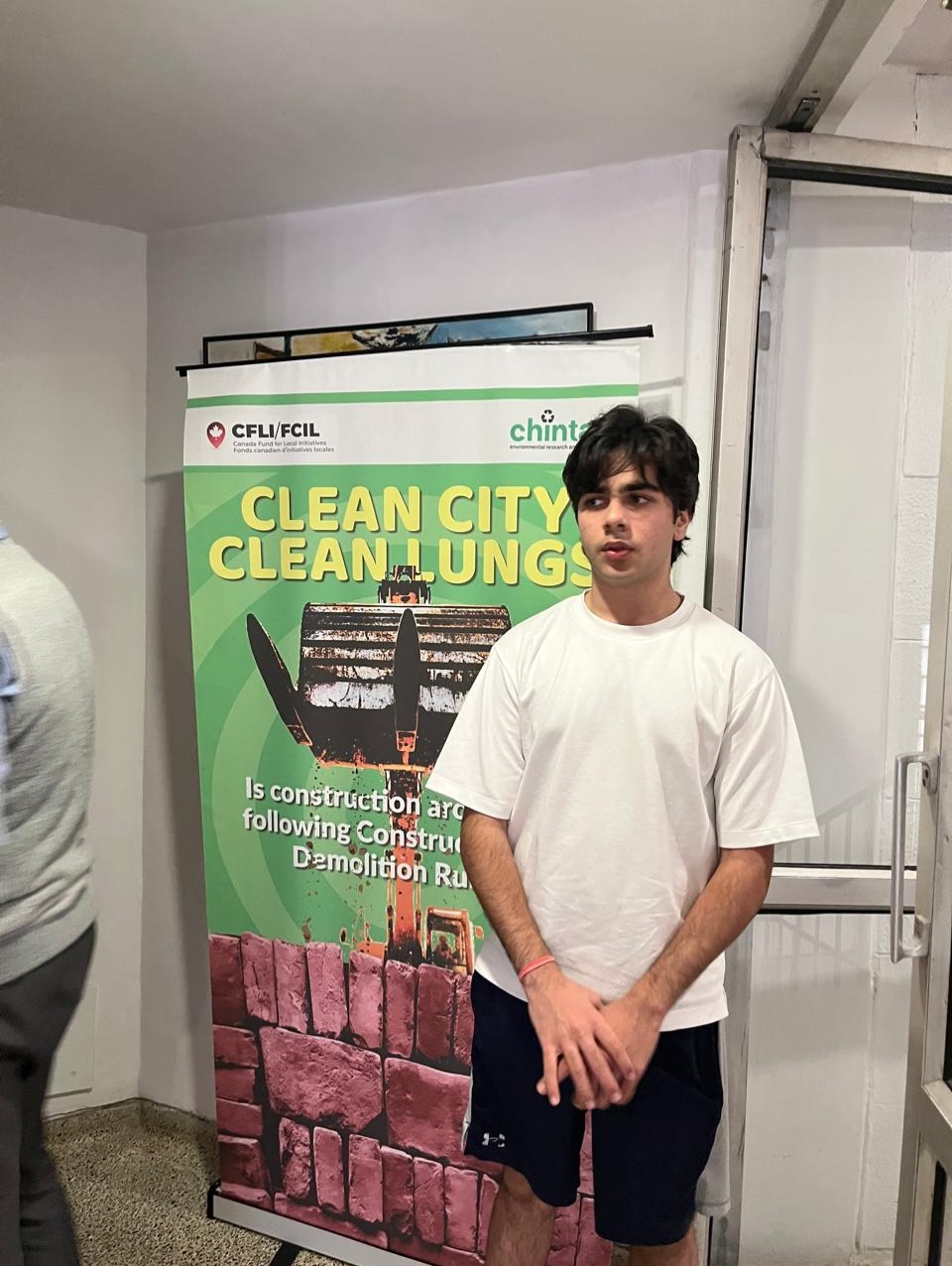
As the campaign grew, I became increasingly interested in understanding how pollution was affecting people beyond the communities I already knew.
I worked with Chintan Environmental Research and Action Group to collect primary data on how young people in NCR were experiencing poor air quality.
When Evidence Travels Further
Research can do more than describe a problem. It can help more people see it.
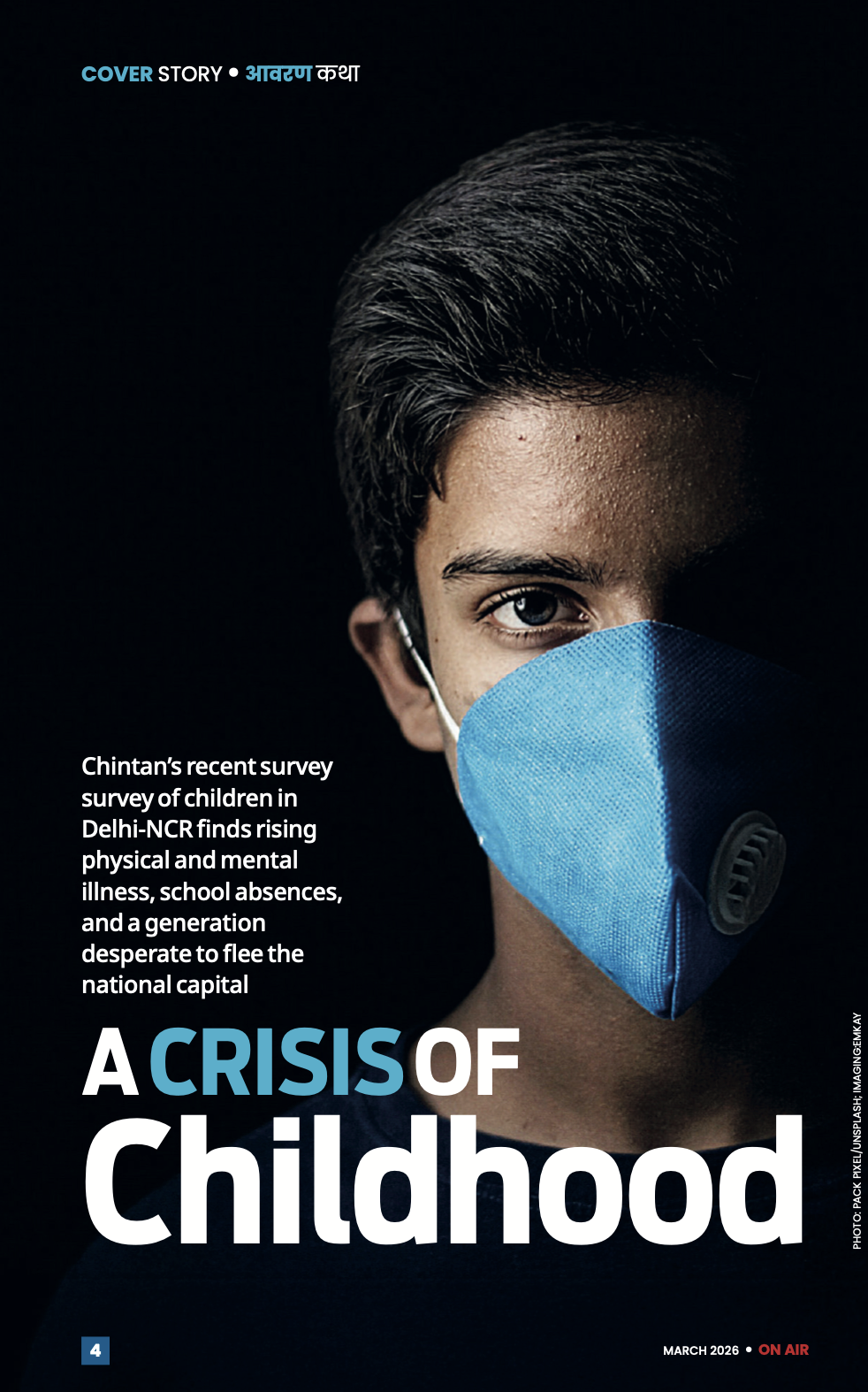
I also worked with environmental journalist Nidhi Jamwal, helping collect primary data from young people in Delhi NCR for her cover story, “A Crisis of Childhood”, on the impact of air pollution on children.
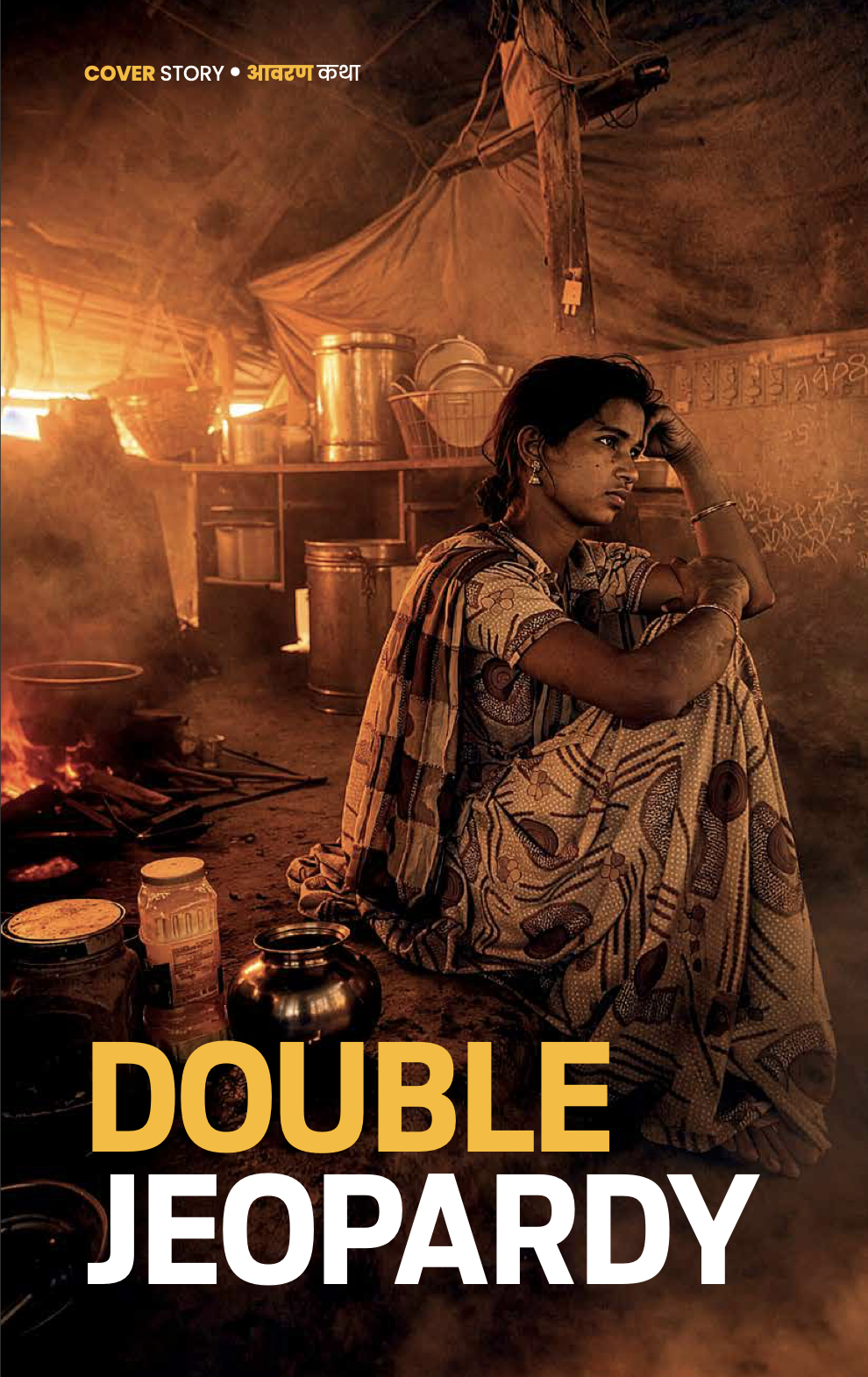
I later worked with her again on real-time inputs and interviews examining how heat and air pollution affect gig workers and construction workers for “Double Jeopardy”.
Both pieces were published through Chintan's ON AIR, with my contribution credited.
Taking the Campaign Beyond the People in the Room
Workshops and community meetings reach the people who are physically there. Digital platforms allowed the campaign to travel further.
Through campaign posters, tutorials, short videos and ongoing updates, social media became another way to share practical information, amplify community action and keep clean air part of a wider conversation.
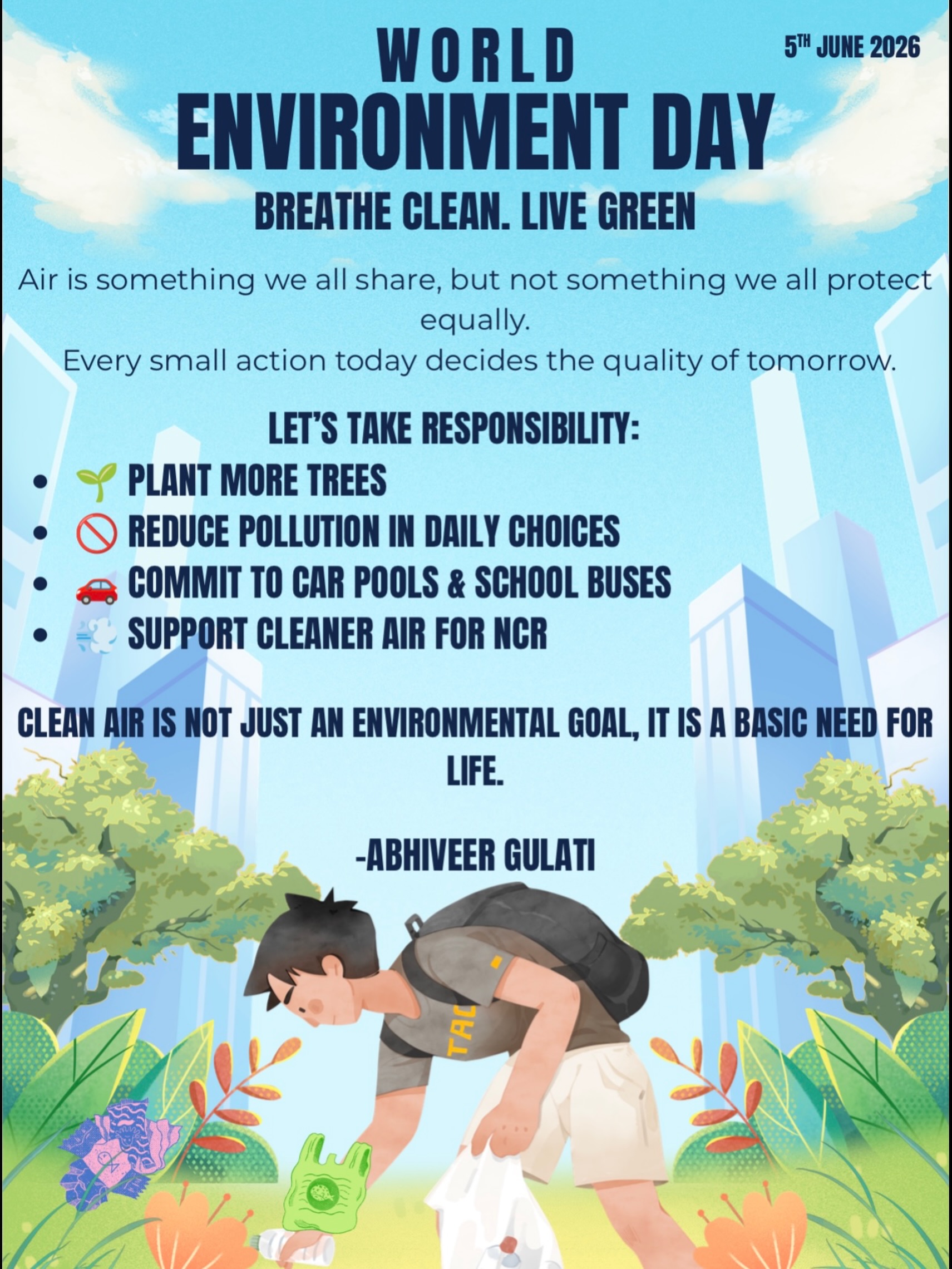

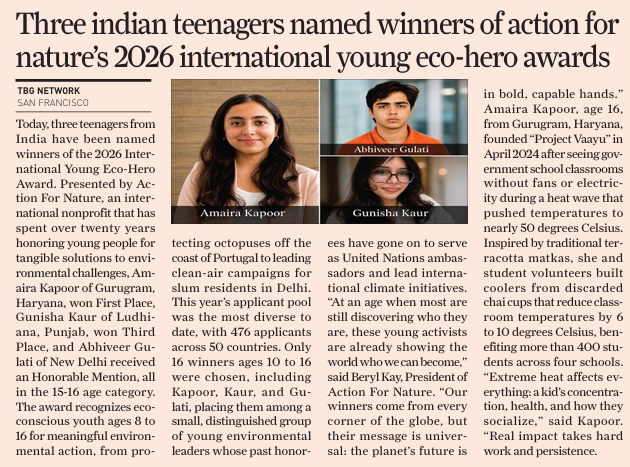
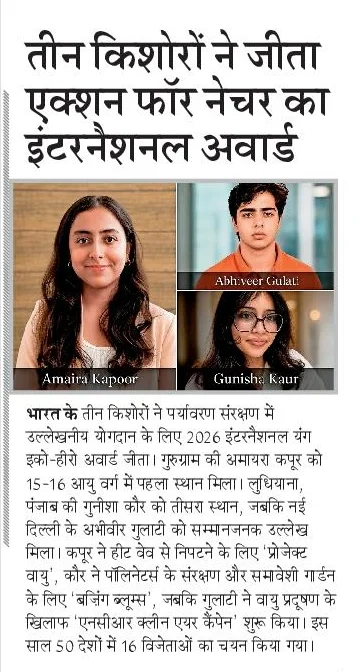
2026 International Young Eco-Hero Award — Honourable Mention
Action For Nature recognised the NCR Clean Air Campaign
for its environmental action and community impact.
Media Coverage
Where the campaign's work has been covered.
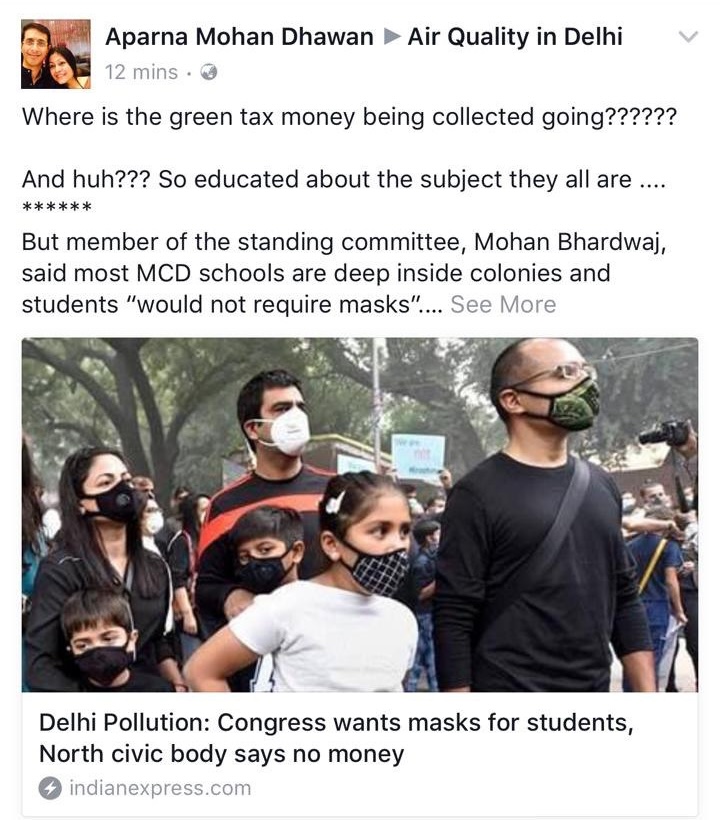
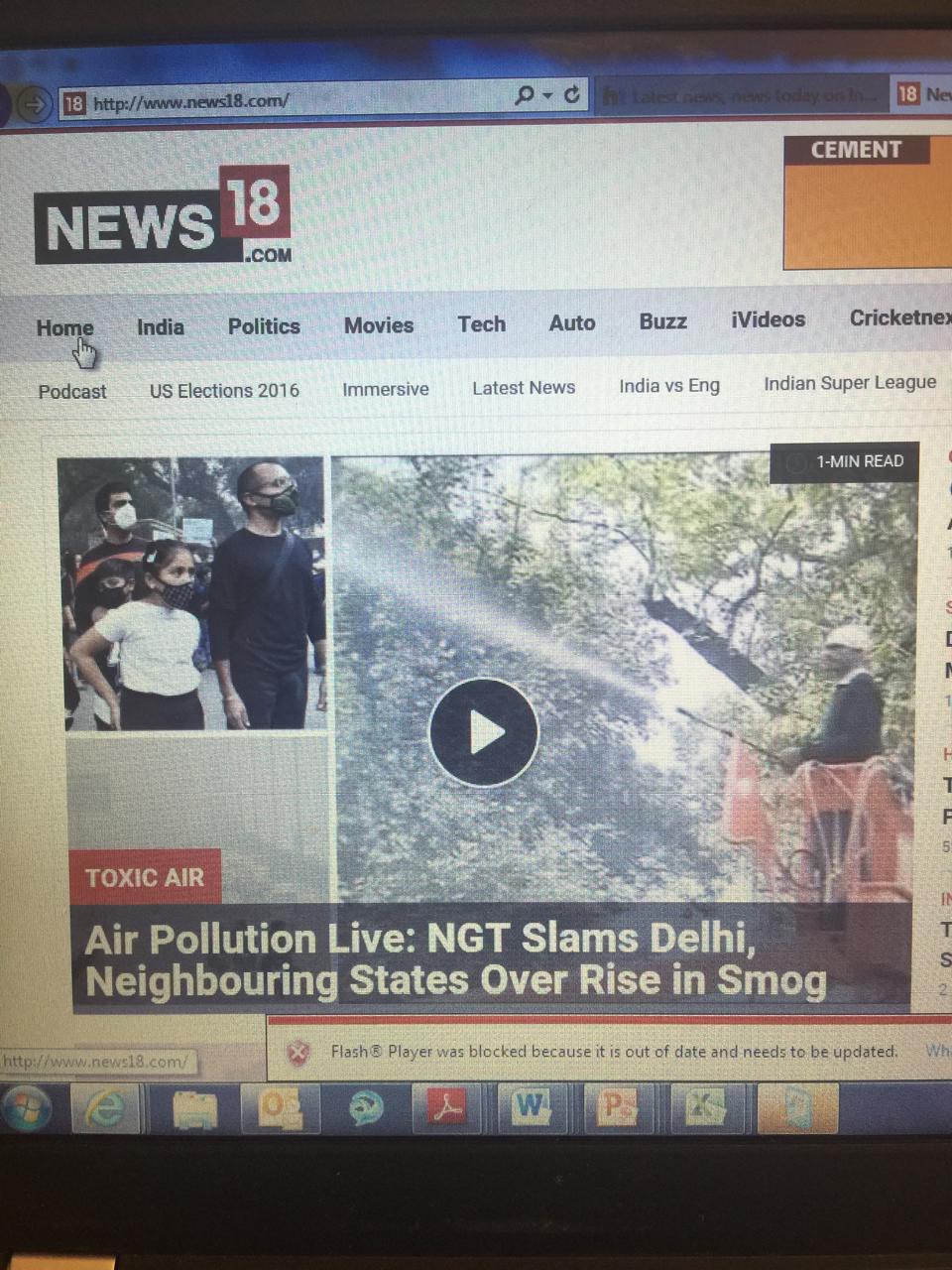
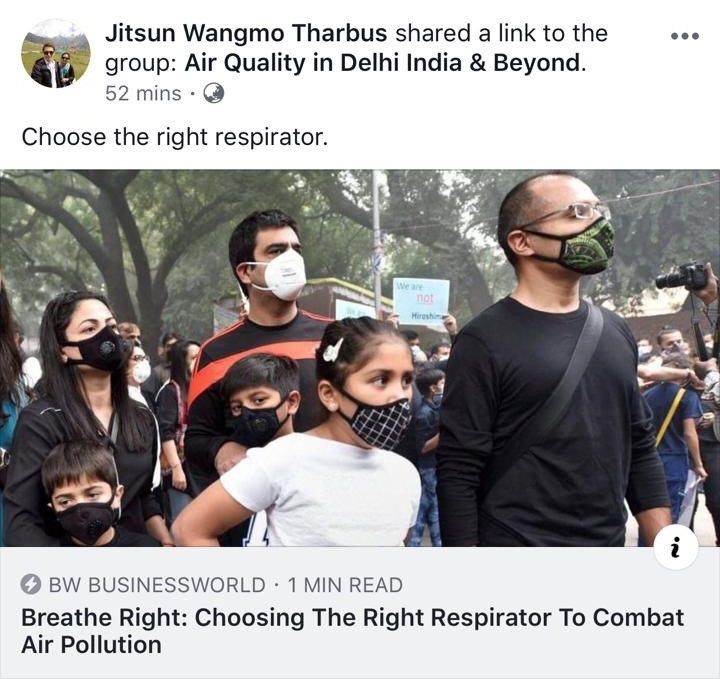
Coverage of the NCR Clean Air Campaign and its related work across publications and platforms.
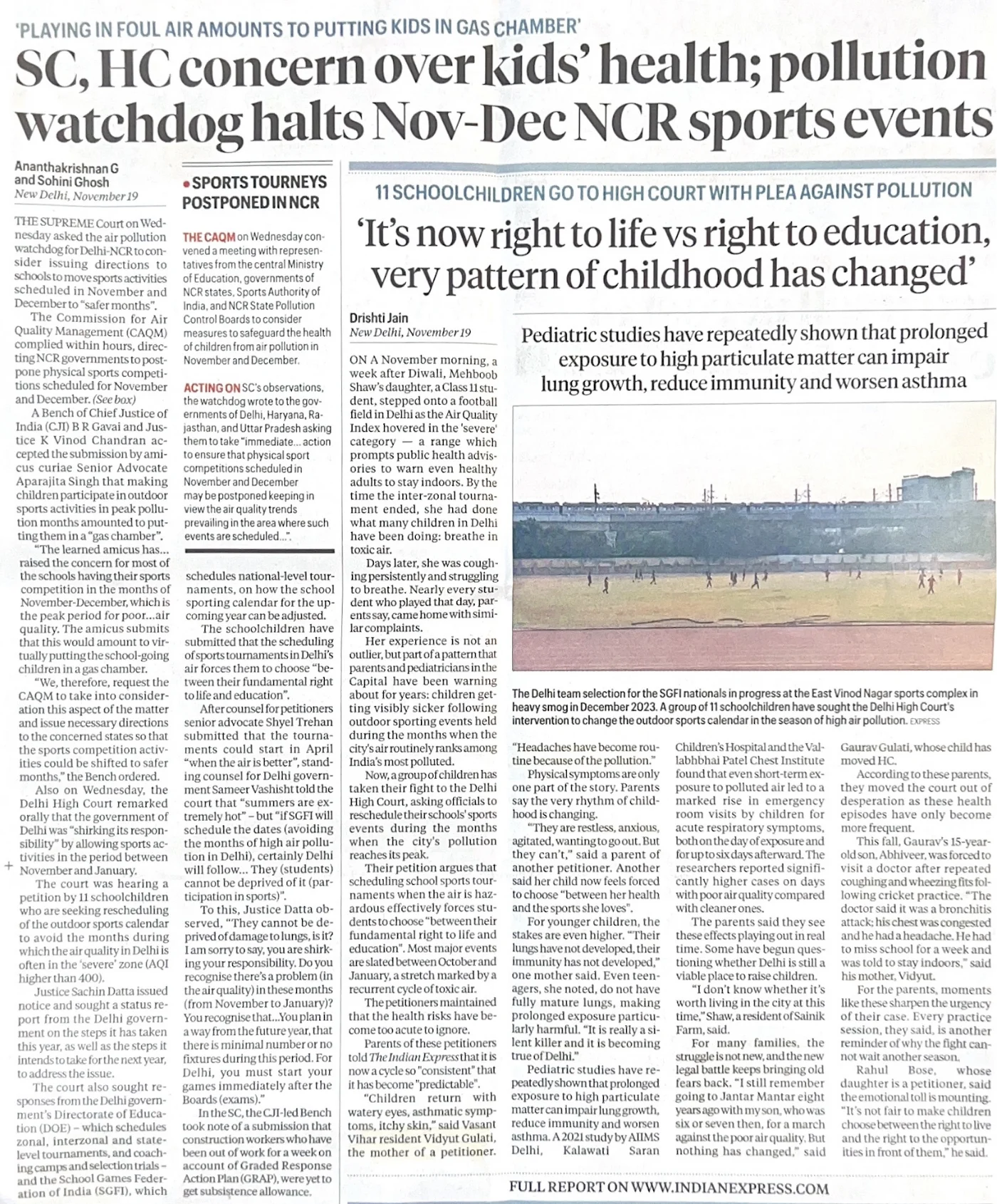
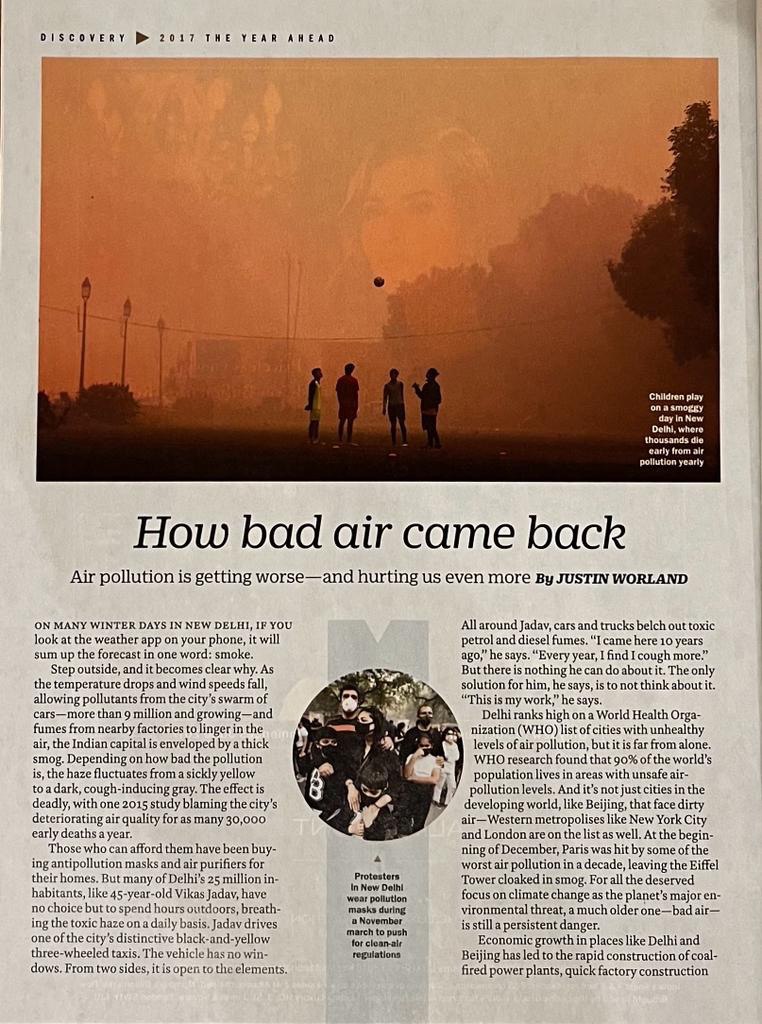
Then the Question Changed.
What happens when the problem is bigger than what a community can fix?
Awareness could help. Protection could help. Behaviour could change. Communities could organise.
But none of that could change the rules of the system itself.
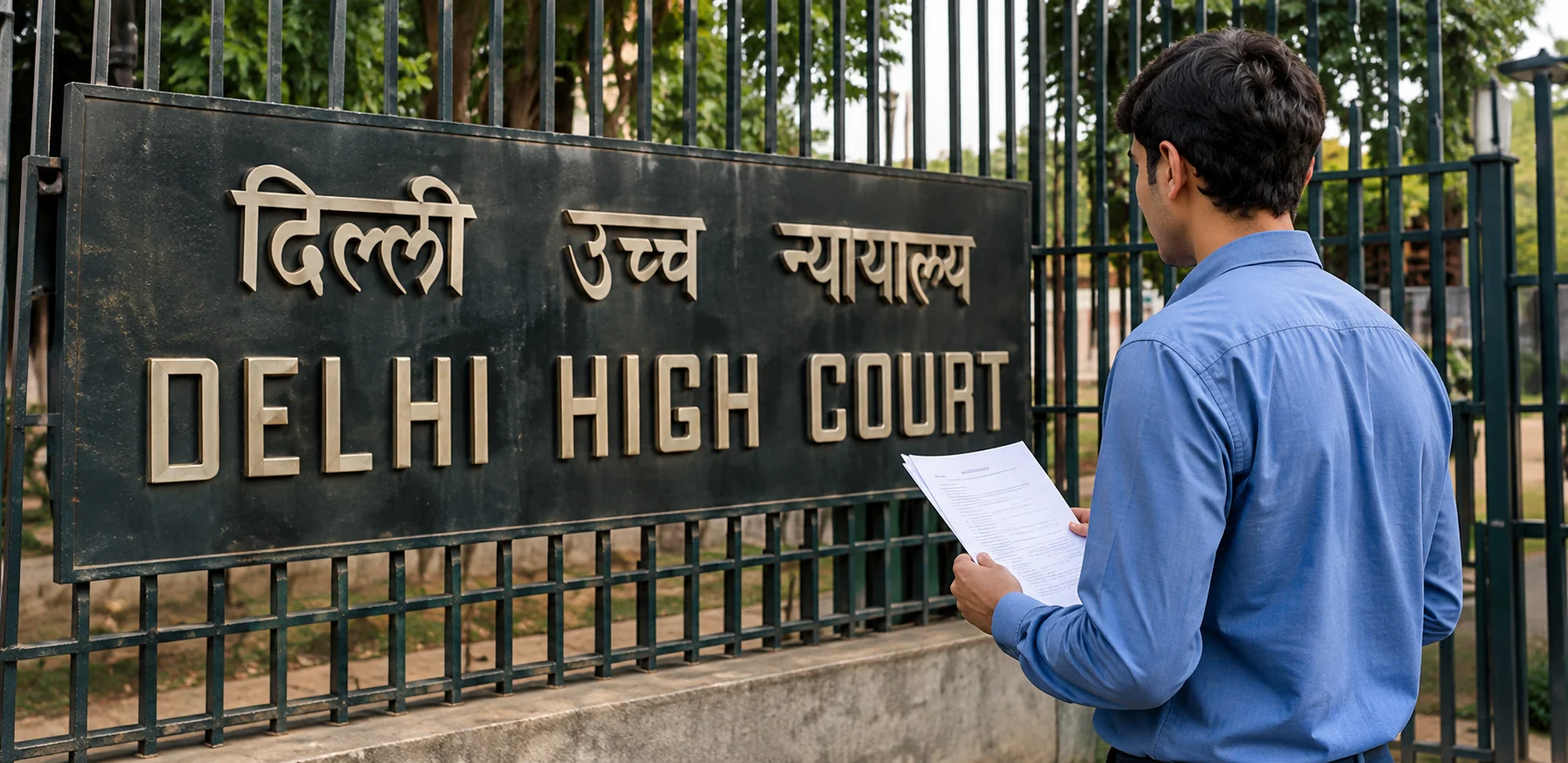
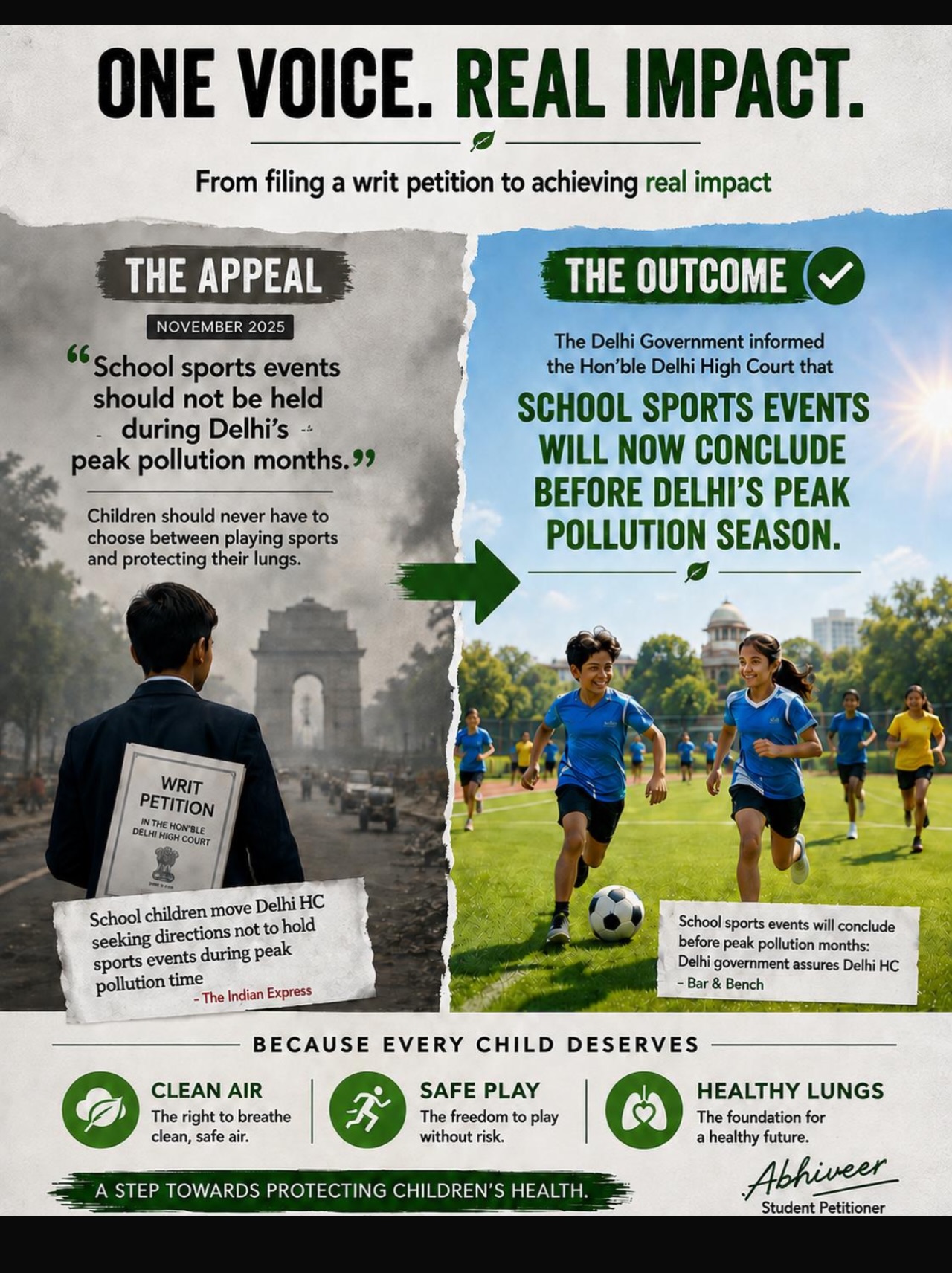
That led the campaign into a different kind of work. Along with other students, I approached the Delhi High Court over school sporting events scheduled during Delhi's peak pollution period. I also used the Right to Information framework to question pollution-control spending and implementation, and the campaign began engaging government, legal institutions and the media in ways that community action alone could not.
RTIs filed: RTI applications were filed questioning pollution-control fund utilisation, GRAP implementation and on-ground enforcement putting the responses on public record.
What Actually Changed
The system did respond. Following the success of the Delhi High Court Writ Petition, the Delhi Government changed its policy to complete all school sporting events before peak pollution months:
The work had moved from asking what we could change ourselves to asking what the system needed to change.
Explore How Policy Changed Through Advocacy→ View Media Coverage→