Financial Inclusion
When access exists on paper, but not in practice.
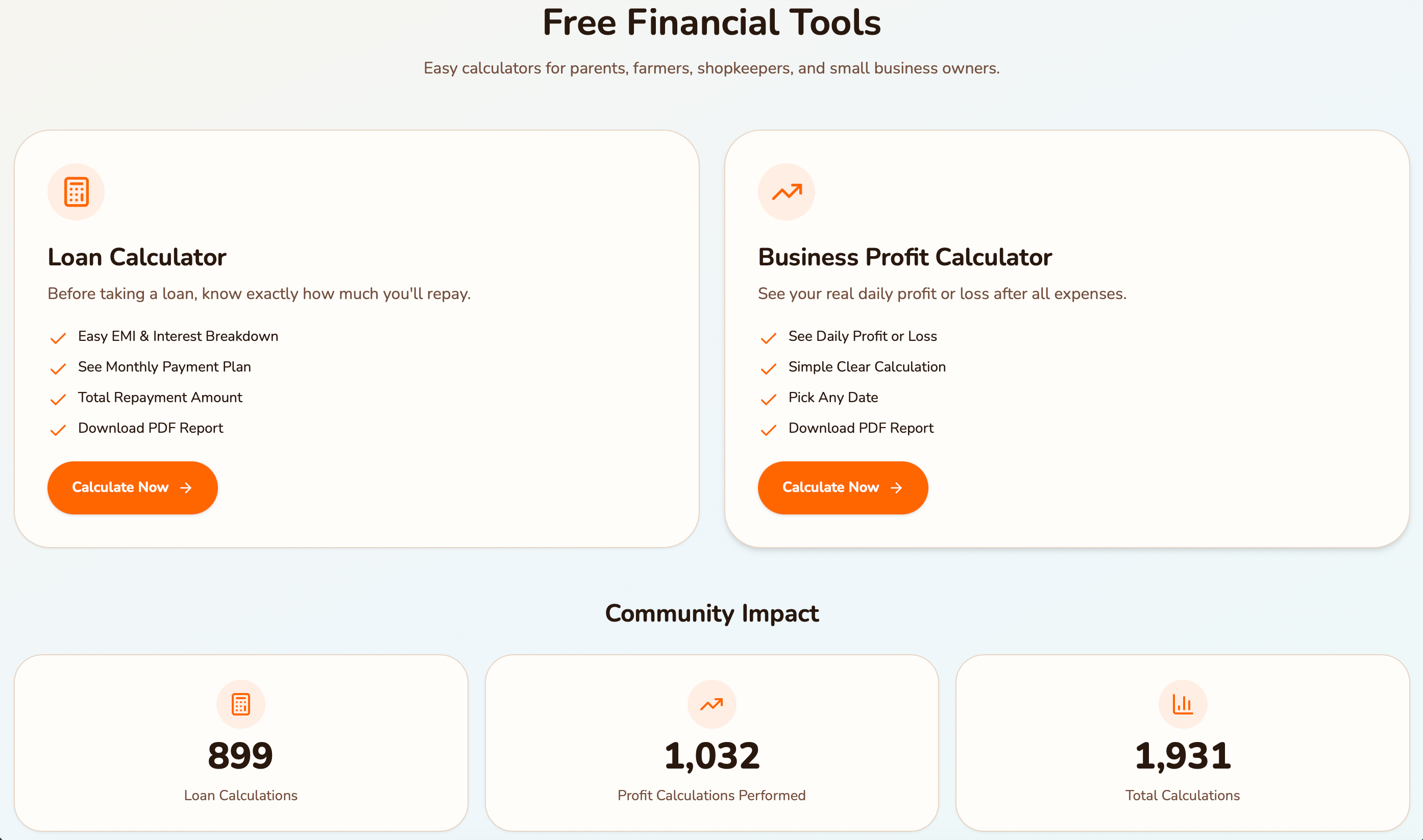
Bank accounts. Government grants & schemes. Digital payments. Credit. Impact of informal loans. Profit & Loss for small rural business owners, budgeting, saving, investments, fraud protection.
The systems may exist.
The harder question is whether people can actually use them.
My work in financial literacy has taken me from rural classrooms to special-education settings to rural communities, and made me increasingly curious about what gets lost between a system being available and a person being able to benefit from it.
Money was never
just maths at home.
I grew up around two very different kinds of financial conversations.
My father drew me into savings, investments and spreadsheets.
My grandmother spent time helping women who depended on others financially understand how to manage money for themselves.
That contrast stayed with me.
Over time, that question became larger. I began thinking about how financial inclusion is shaped not only by individual awareness, but by the way policies and programmes are designed: who they reach, what barriers they account for, and whether they make participation genuinely possible at the grassroots.
For me, that is where policy becomes tangible. A change in design can influence whether someone is able to save independently, make a more informed financial decision or participate in the formal economy with greater confidence.
“ Why was financial knowledge part of everyday life for some people, but something others had never been given the opportunity to learn? ”
SavingWise: A First Step
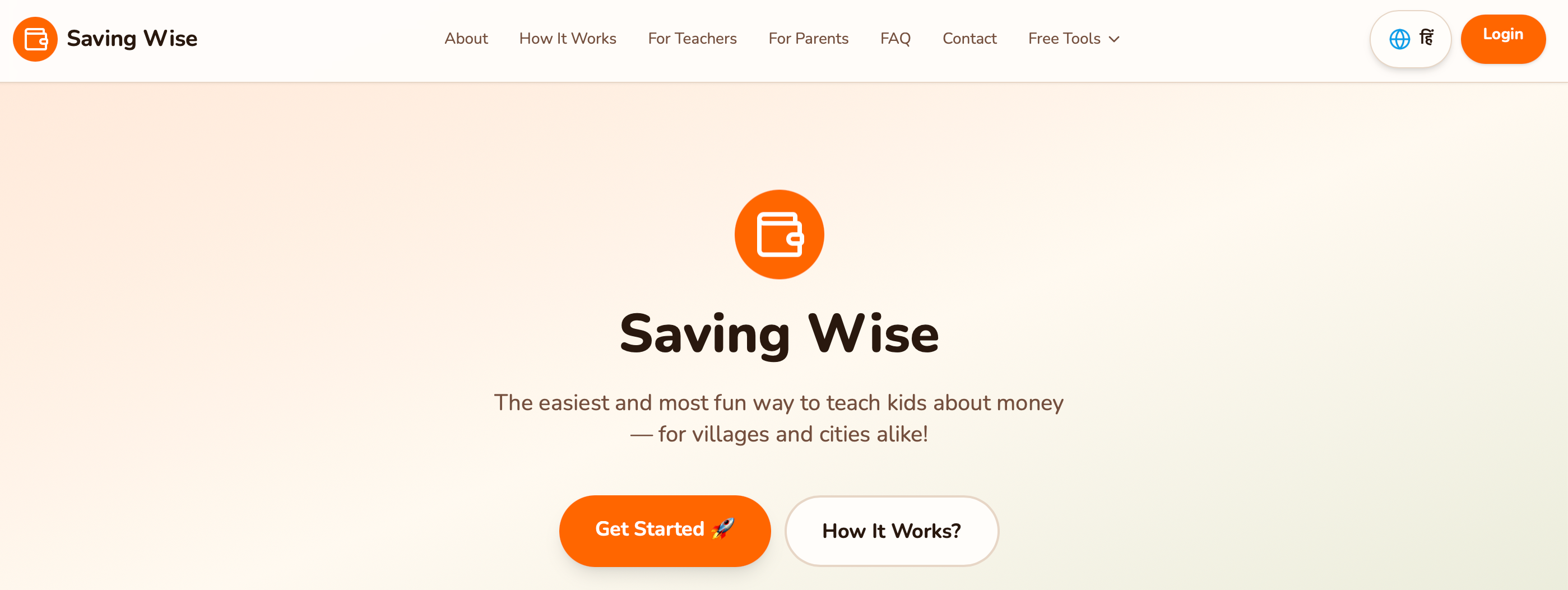
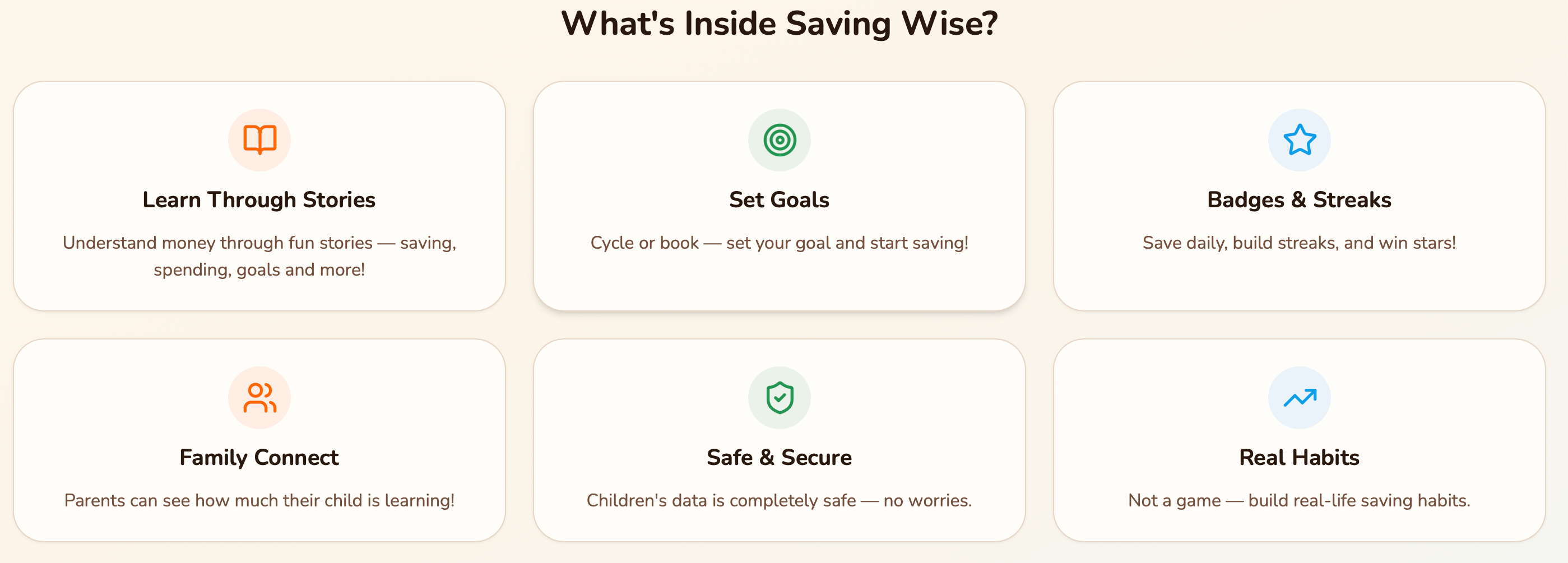
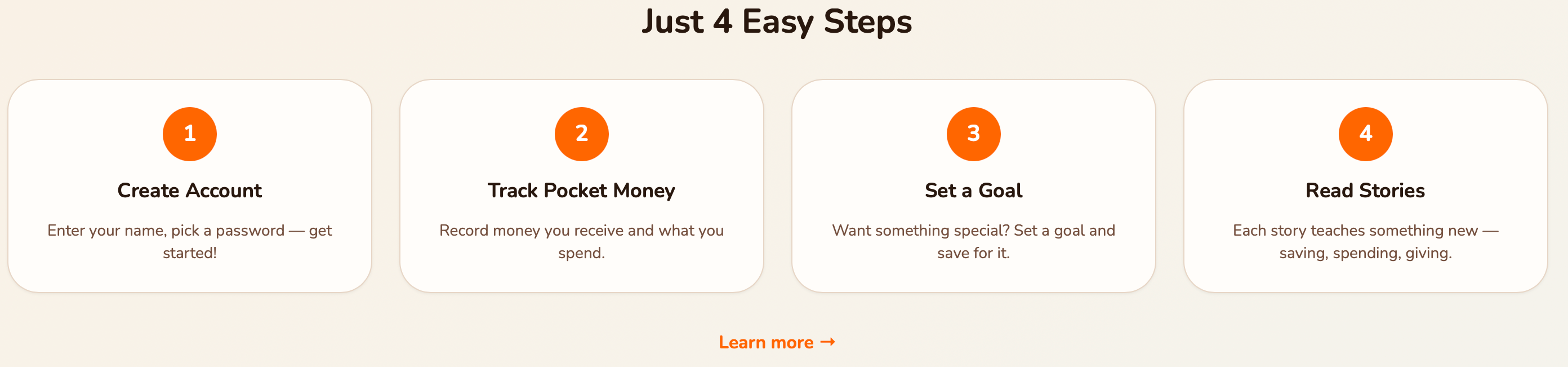
SavingWise initially began as a simple multilingual budgeting tool I built to make basic money management easier to understand, initially for students. It works from a user’s income, earnings or pocket money, sets aside essential expenses and savings goals, and shows what remains available to spend.
But the more useful part began once it left my laptop and met very different users. What started as a mobile app had to evolve into a web app, with more relevant features added as I worked with students, families, special-education settings and rural communities.
Explore the SavingWise ProjectSimple Tools. Real Choices.
Budget. Save. Plan. A more secure tomorrow.
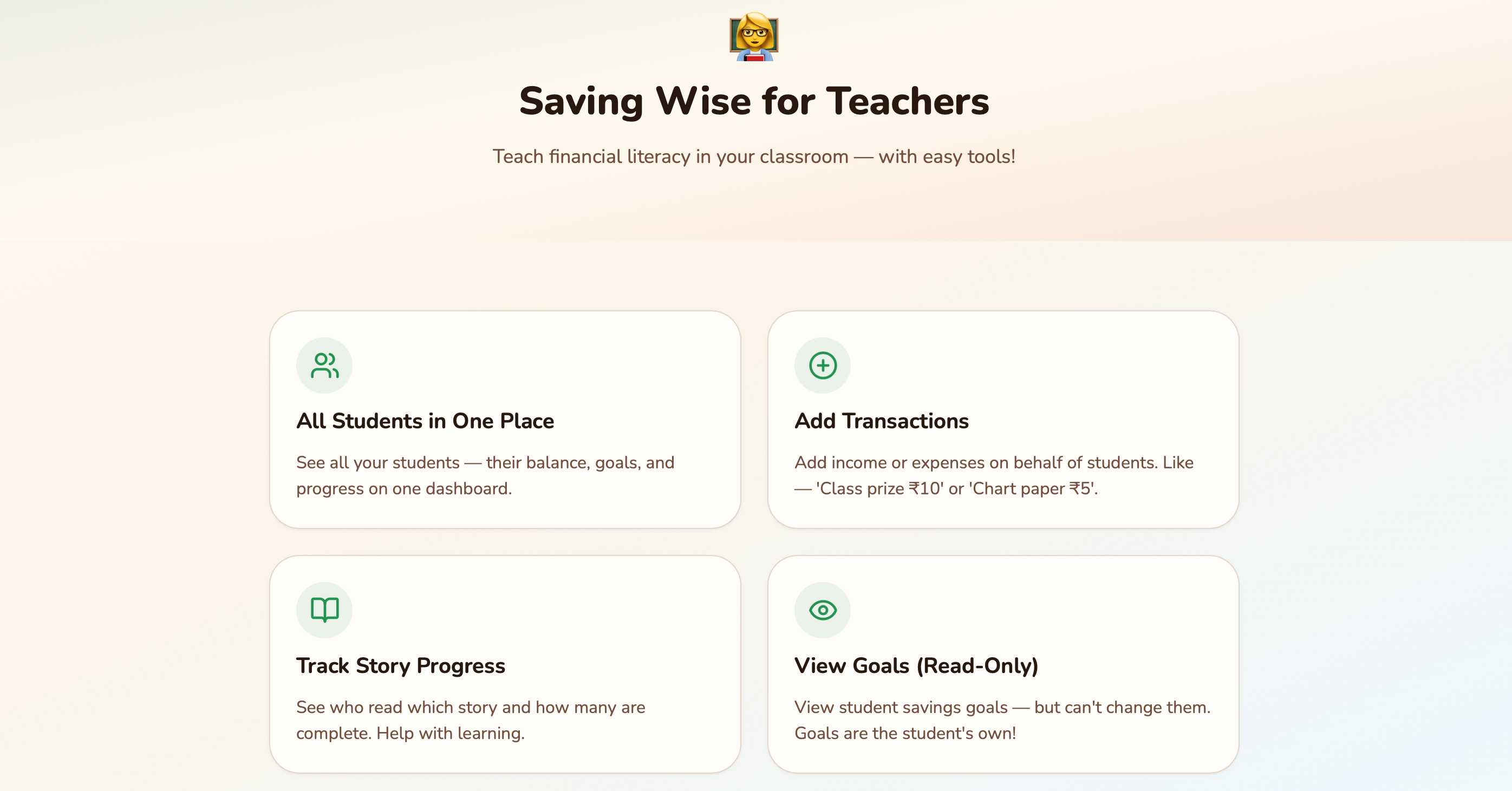
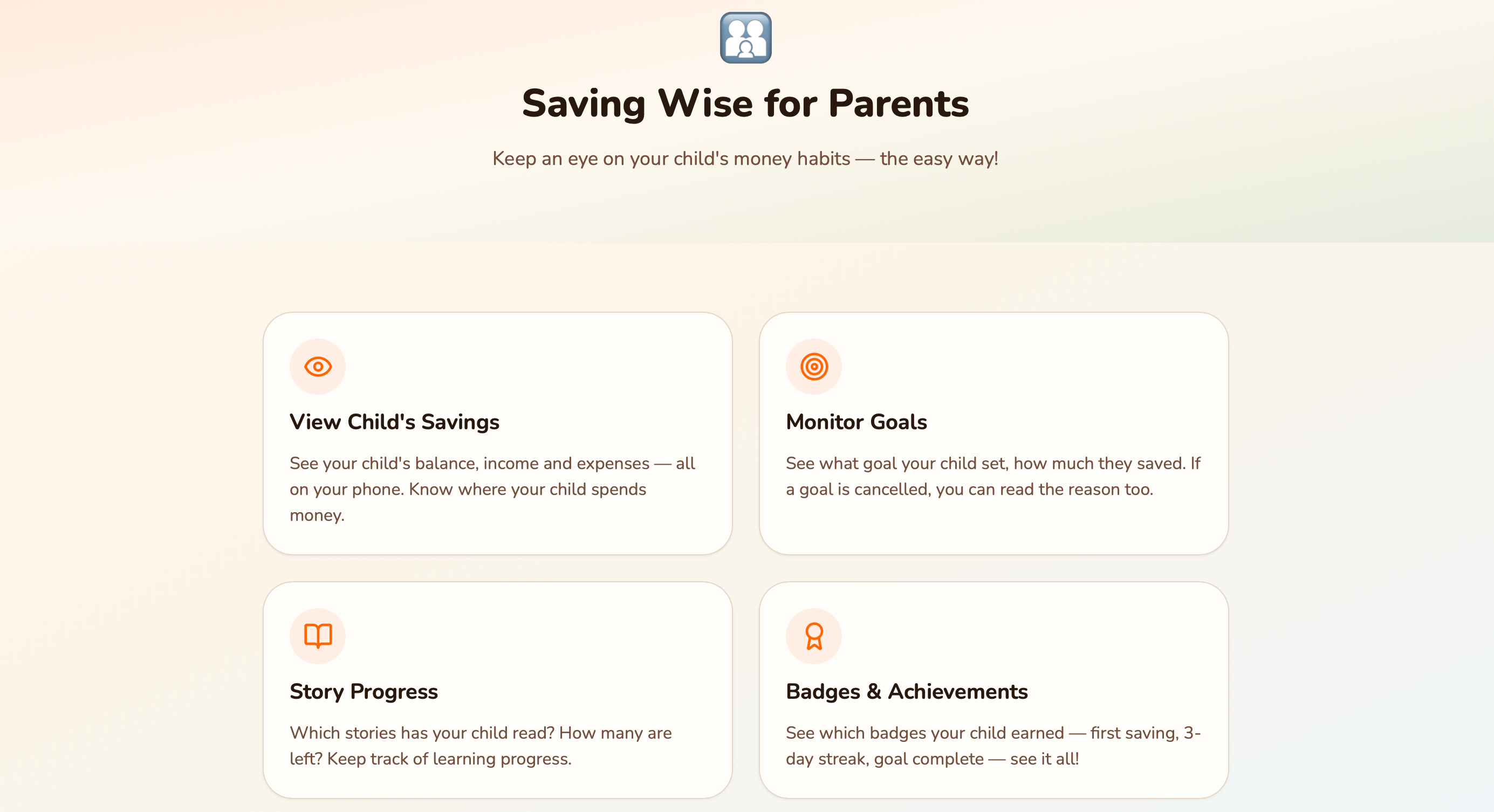
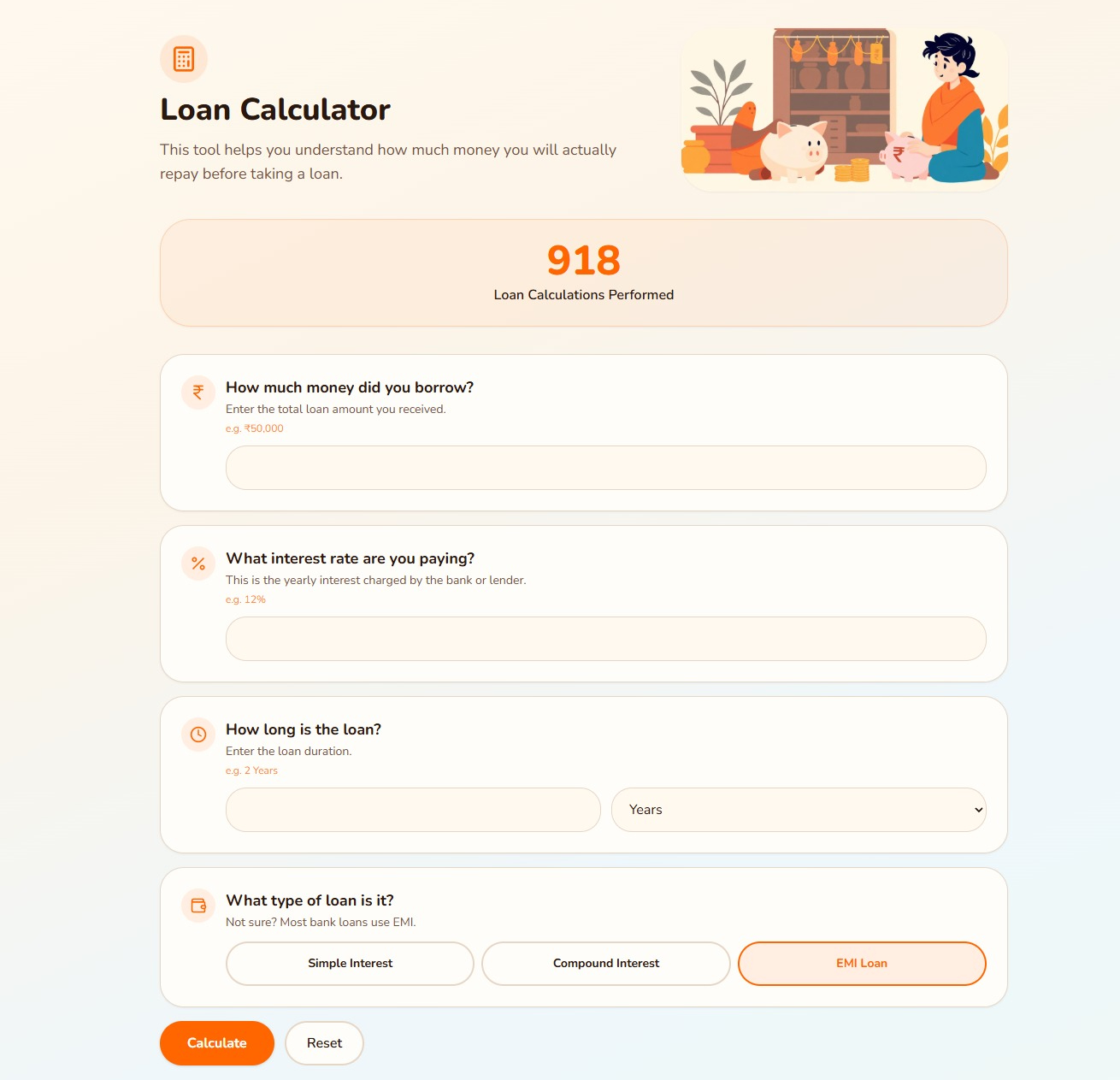
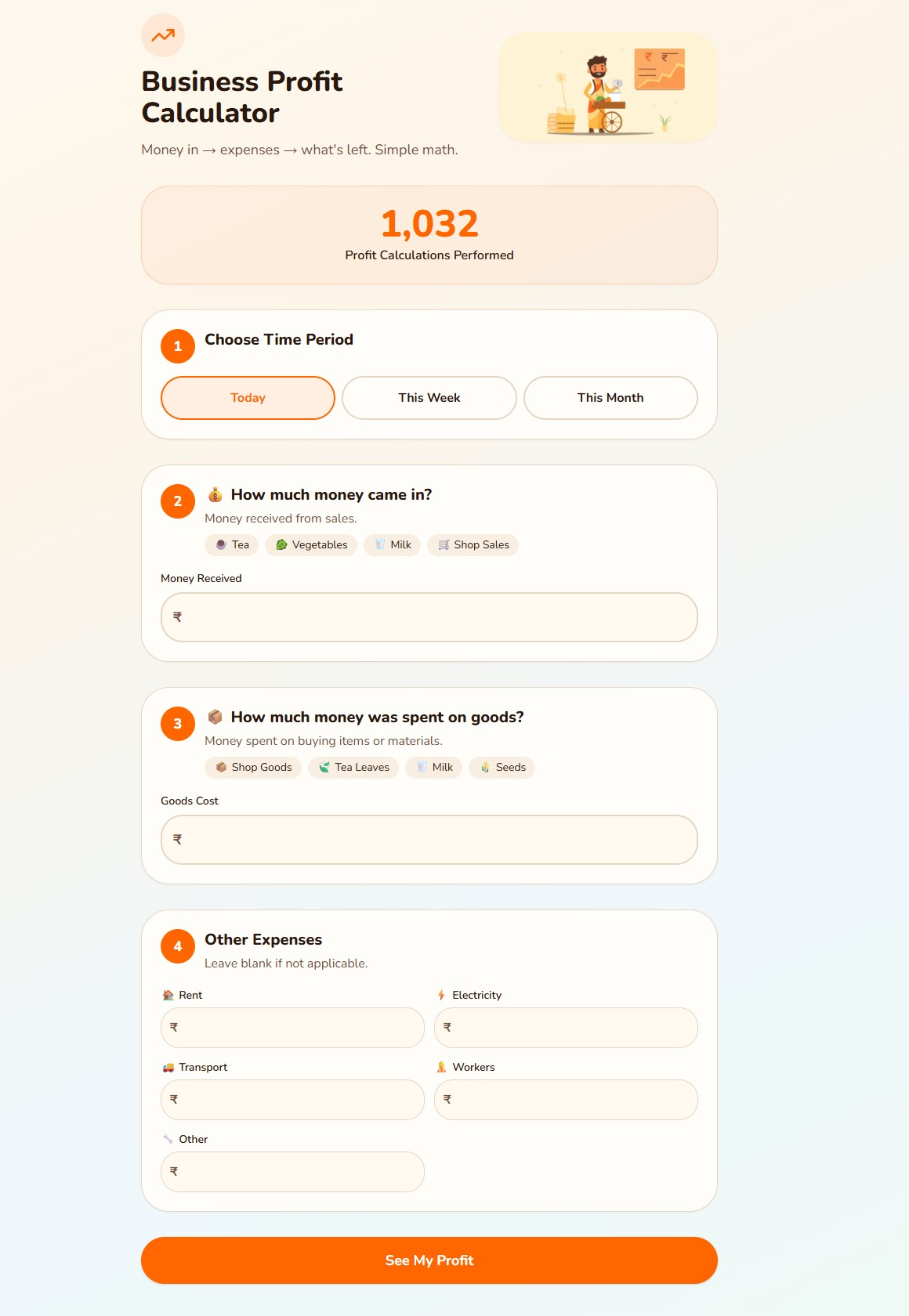
One Tool. Different Realities.
Same idea.
Different people.
Real change.
Bharti Foundation Schools
Before income comes money behaviour.
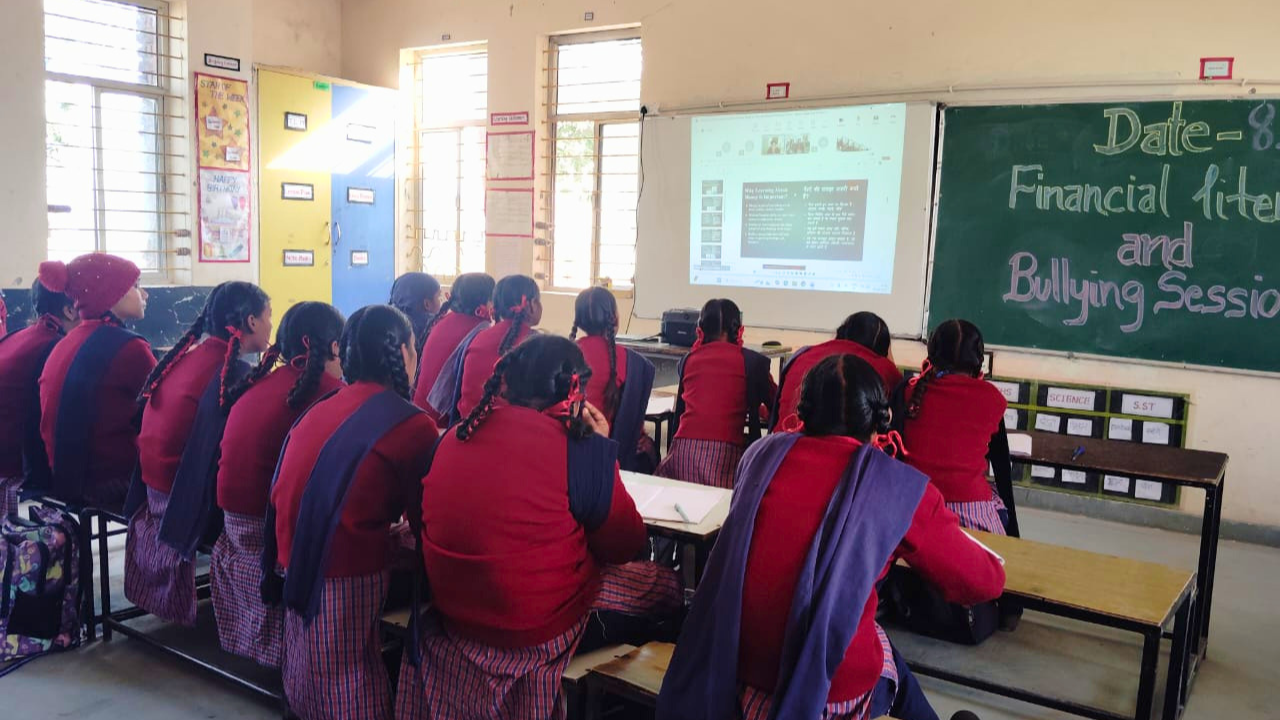
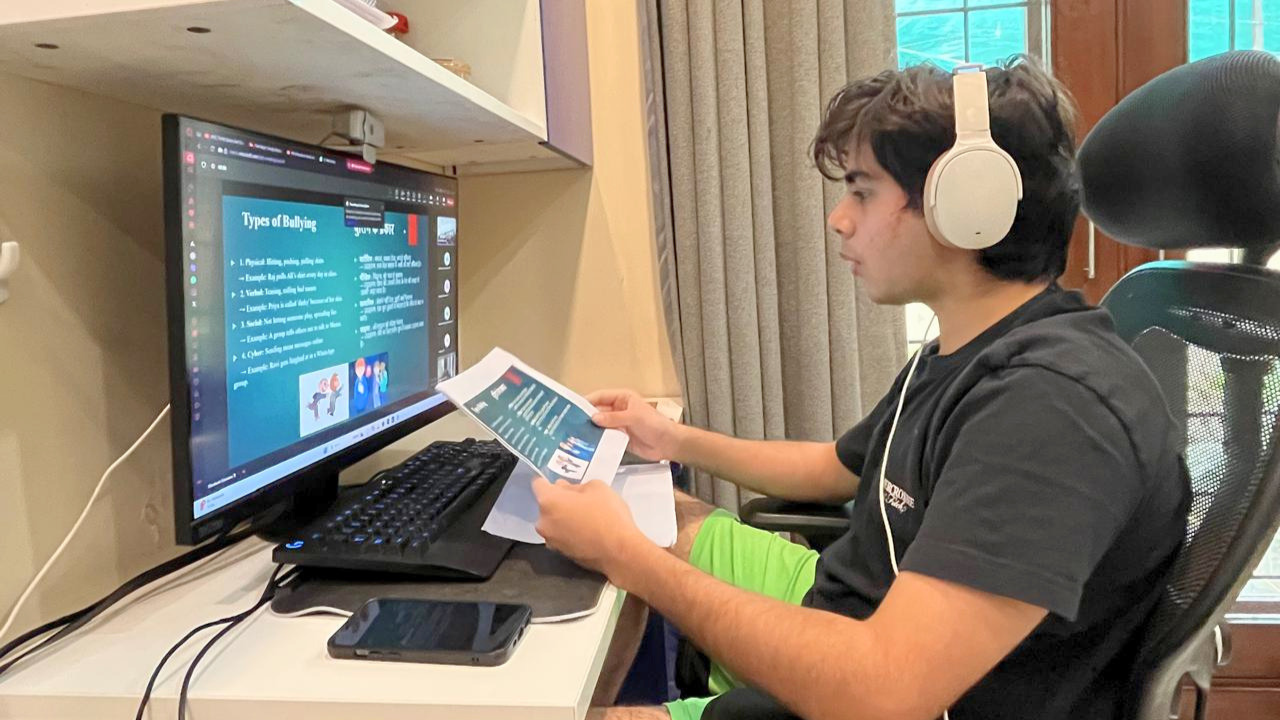
With students at Bharti Foundation schools, SavingWise became a way to make saving and budgeting tangible.
Not through financial jargon.
Through pocket money. School supplies. Small savings goals. Choosing between spending now and saving for later.
Parents and teachers could participate too, turning individual exercises into achievements, levels, rewards and conversations beyond the classroom.
As many students had limited access to personal smartphones but could use school computer labs, it pushed me to rethink the original format, adapting SavingWise into a web app. With pocket money limited, parents and teachers also became part of the exercises, and the tool expanded to cover household budgeting, saving and simple investment decisions.
It made me realise that financial independence begins long before someone earns their first salary.

Tamana Special Education Centre
Same idea. Different design.
At Tamana Special Education Centre, the challenge changed.
Abstract budgeting concepts had to become more visual, tangible and easier to work through for neurodivergent and differently-abled students. This led me to design a specialised financial curriculum to meet their learning needs.
SavingWise became part of exercises around something beautifully ordinary: managing your own weekly allowance.
With support from parents and teachers, students practised making and tracking their own financial choices, while added features allowed teachers as their mentors and buddies to be added to their accounts to follow their progress, guide them, reinforce good financial choices and celebrate milestones.
That changed the way I thought about access.
For these students, financial literacy was also about autonomy: designing tools in a way that could reduce dependence on caregivers and make everyday money decisions more manageable.
A tool can be available to everyone and still not be designed for everyone.


Banking The Unbanked with NABARD
& Airtel Payments Bank
Here, the problem was bigger than budgeting.
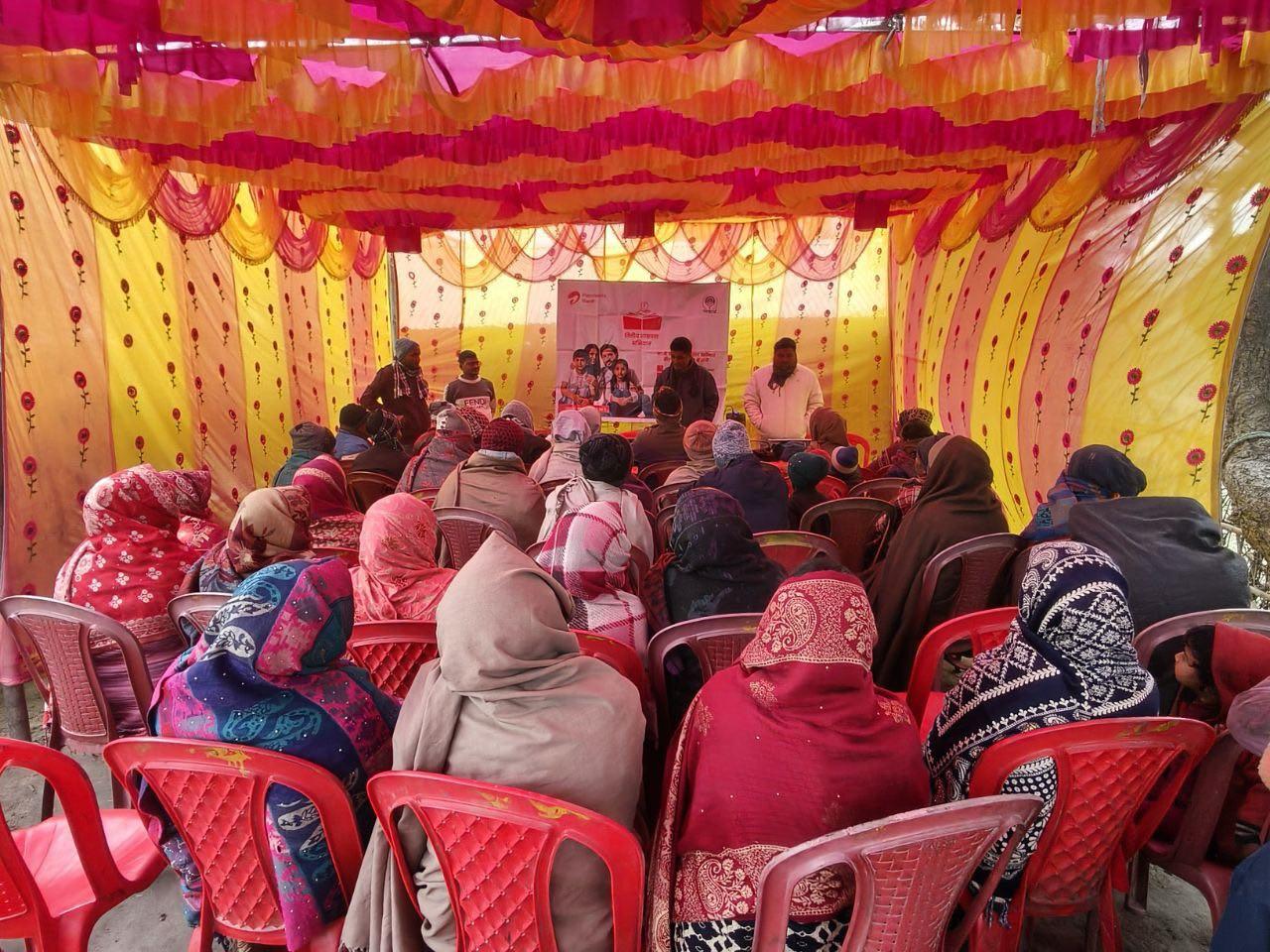
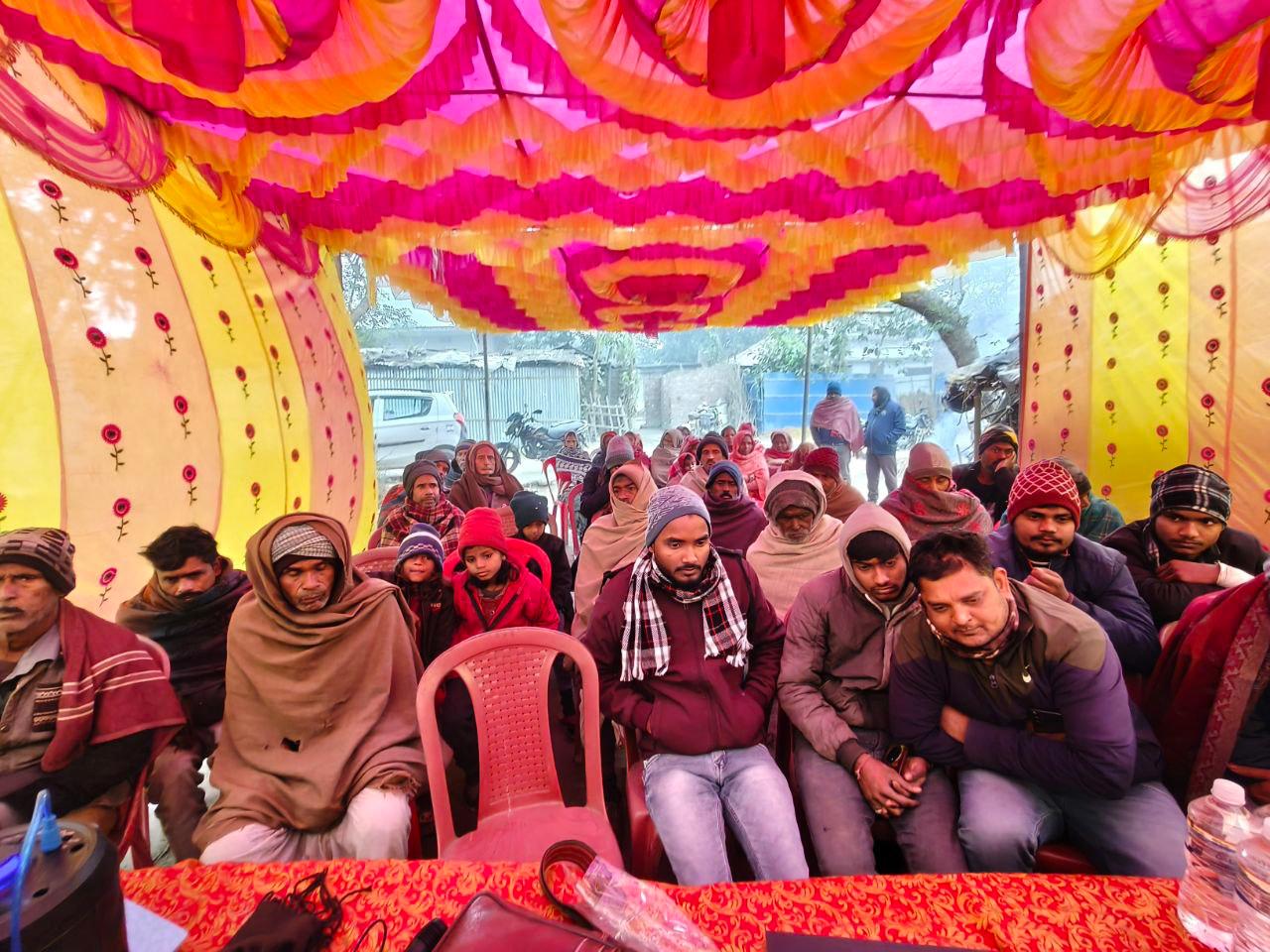
My internship at APBL led me to a financial inclusion and literacy programme sponsored by the National Bank for Agriculture and Rural Development (NABARD) and implemented through Airtel Payments Bank. I worked with farmers, small business owners, women and senior citizens across rural Bihar and Jharkhand.
The project addressed the last-mile gap between financial systems that existed and the rural households they were designed to serve.

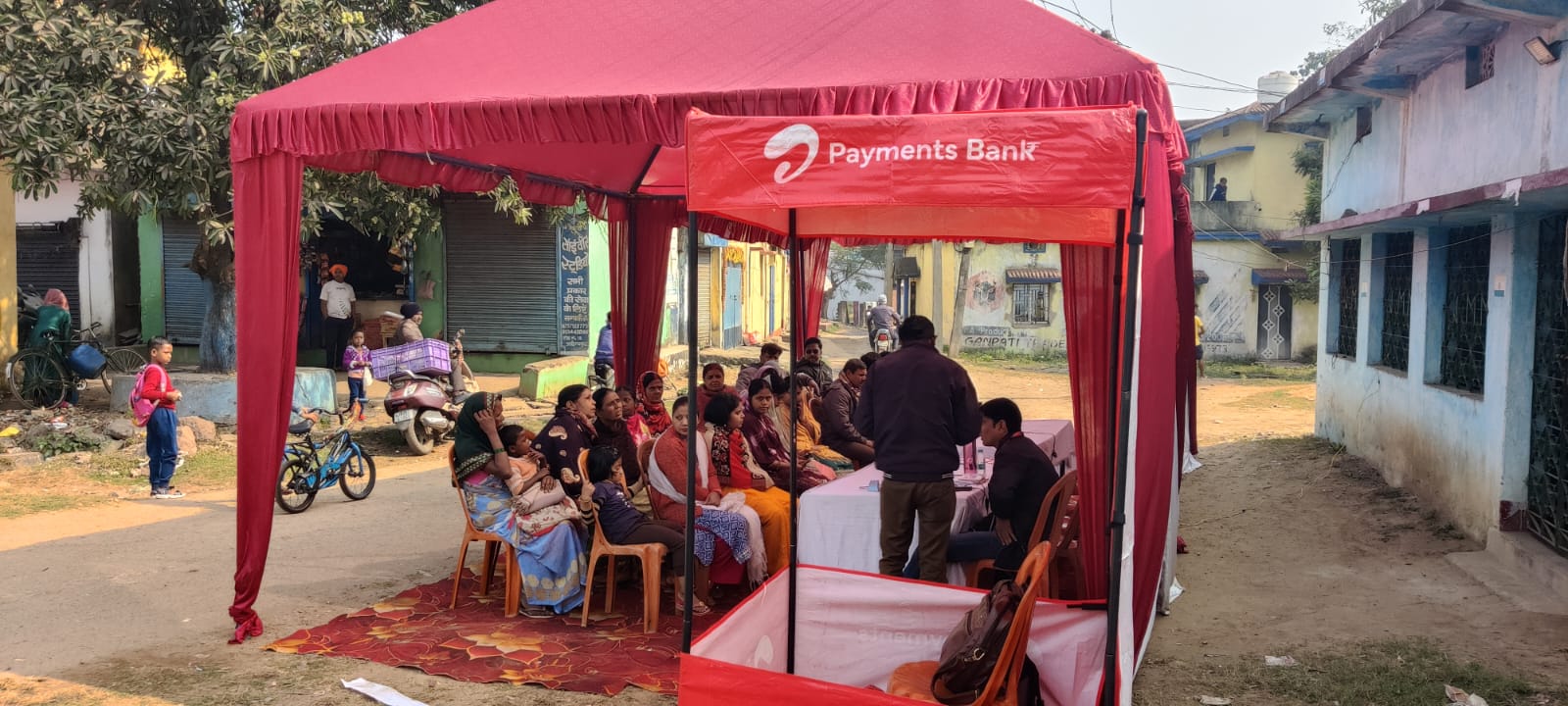
The financial systems existed.
But so did the barriers.


This was when financial inclusion stopped feeling like a banking term.
It became a question of whether a financial system works at the point where someone actually encounters it.
Financial Literacy Session Presentation VIEW PDF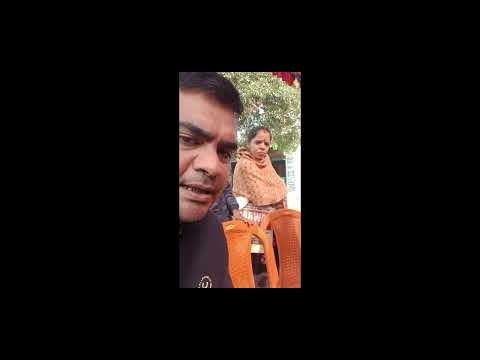
Onground Impact
Kiran Devi
Sometimes access fails because the process is harder than the entitlement.
In Biraul, Bihar, Rahul, a Grade 6 student, was considering leaving school. His mother, Kiran Devi, supported three children through a small fruit and vegetable stall.
She qualified for a government livelihood grant but had struggled with the process and did not have the bank account required to access it.
Working with the Airtel Payments Bank team, we helped her open an account, complete the documentation, link the grant application and follow the process through. The grant was eventually credited.
When I reconnected with the family later, Kiran Devi had expanded her income through a small soap business alongside the stall and was using SavingWise to keep track of expenses and profit.
Savita Jha
Sometimes the barrier is physical.
Savita, a wheelchair user in rural Darbhanga, could not easily reach the nearest bank branch.
After learning to use online banking during a financial-literacy session, she was able to access banking services remotely. She later became a local point of contact for Airtel Payments Bank, helping other women in her area navigate the same services.
“ The right tool, used in the right way, can open doors far beyond banking. ”
What the Fieldwork Changed
Financial inclusion stopped looking like a question of whether a service existed.
I began noticing the smaller barriers around it: information, documentation, mobility, confidence, interface design and trust.
At the last mile, solving these barriers can change much more than access to an account or a financial product. It can affect how securely people save, whether small businesses can make better decisions, and how confidently families participate in the formal economy.
It also changed how I thought about policy. A policy can widen access on paper, but its real impact depends on how well it translates into systems that people can actually navigate.
“ A system is only inclusive if people can actually enter it, understand it and use it. ”