PROJECTS

I like projects that begin with a simple question and become more nuanced once real people start using them.

Some have involved technology.
Some have involved finance.
Some have involved institutions, teams and competing priorities.

What interests me most is the point where an idea has to leave the page and work in the real world.

01

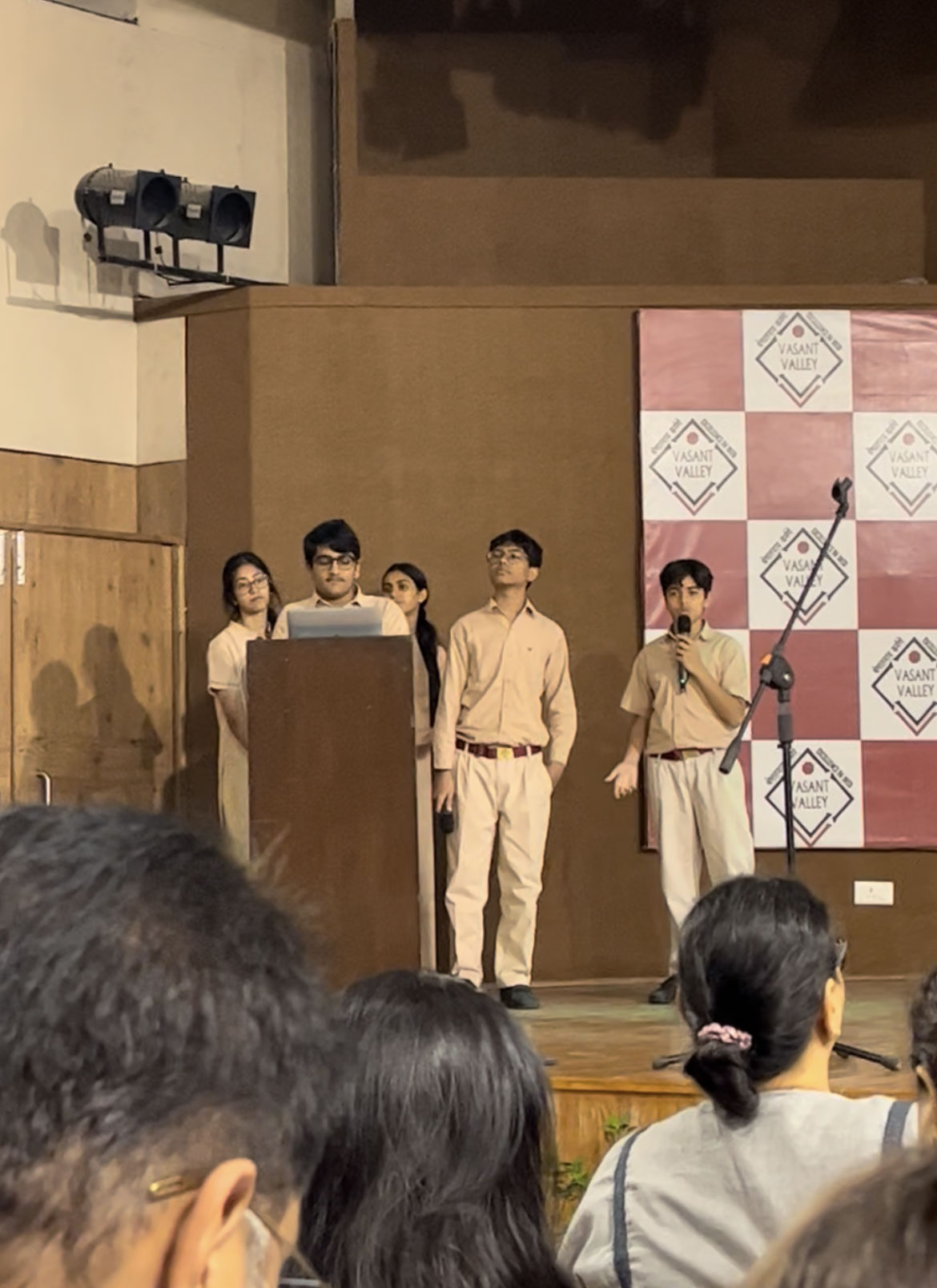
Vasant Valley
Alumni Network

How do you make a network useful before someone needs it?

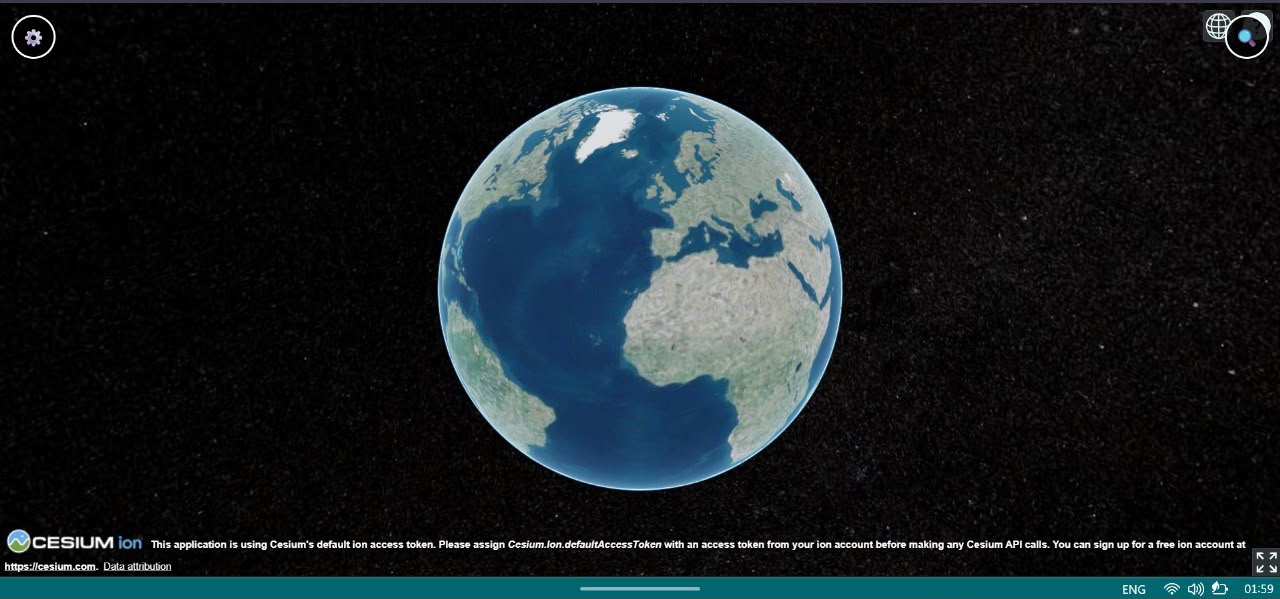
Vasant Valley has alumni across universities and careers around the world. The opportunity was obvious. The connection was not.

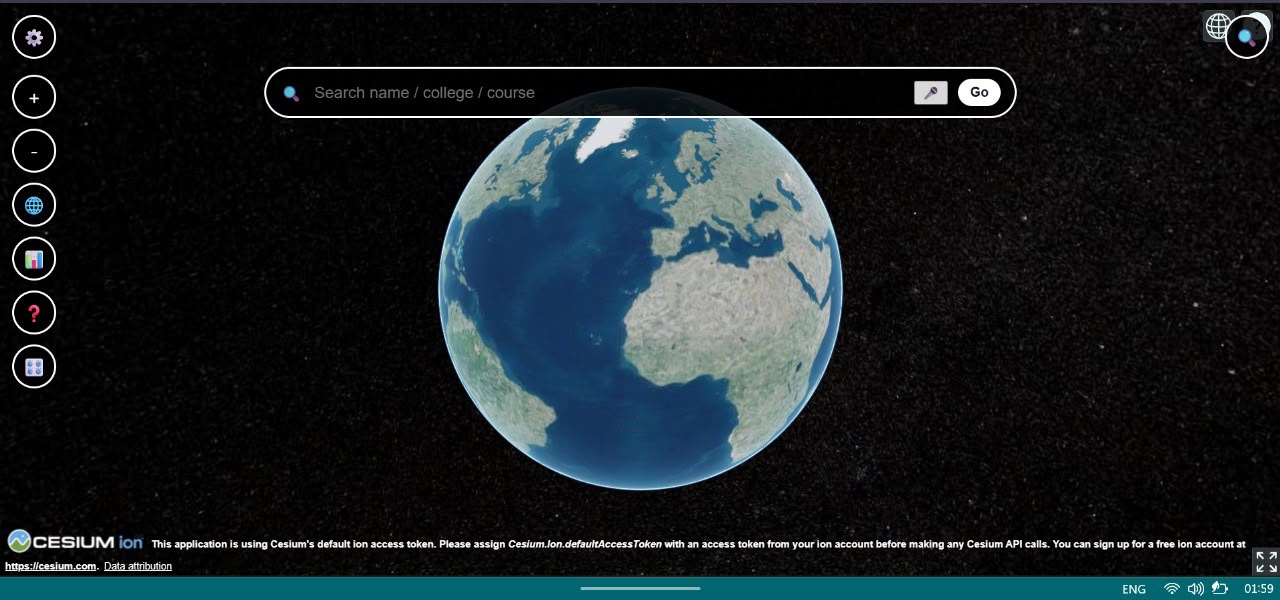
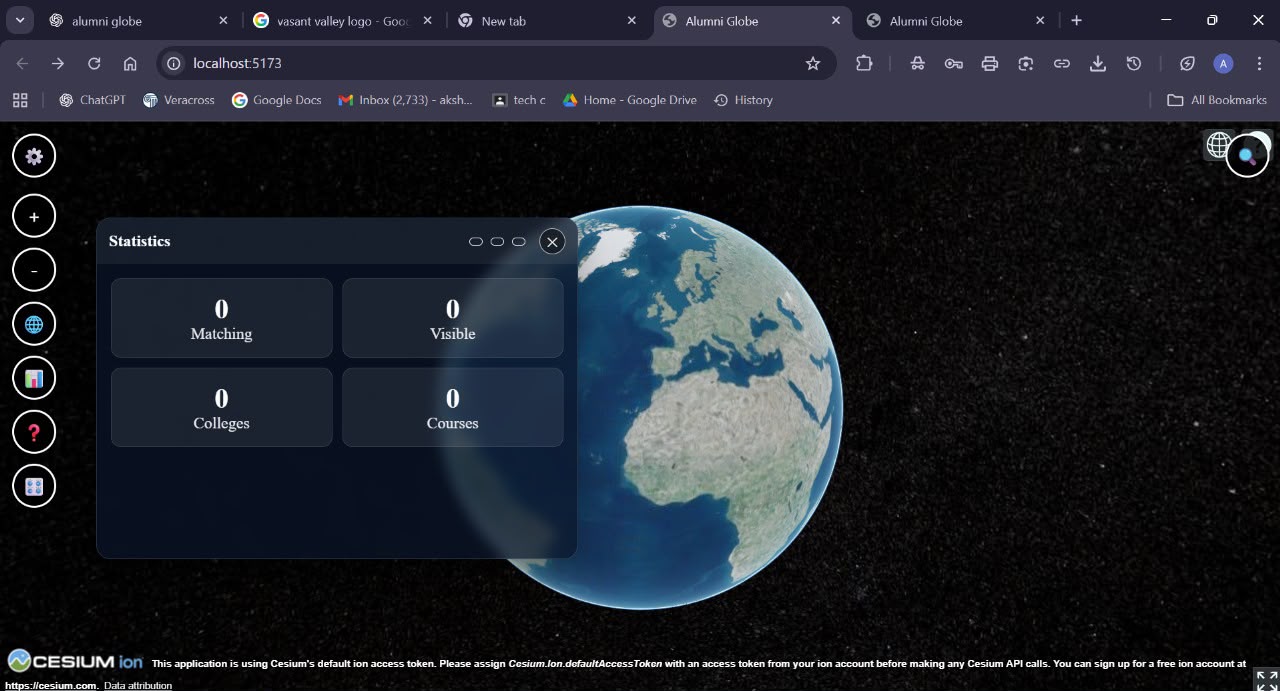
I developed a proposal for a platform that would help current students discover and connect with alumni for mentorship, career guidance and internship opportunities.

200+
universities represented
1,500+
alumni researched & verified
1 TEAM
tech · design · analytics
Students Collaboration Alumni Mentorship Career Discussion Campus Life Students Collaboration Alumni Mentorship

From Idea to Product

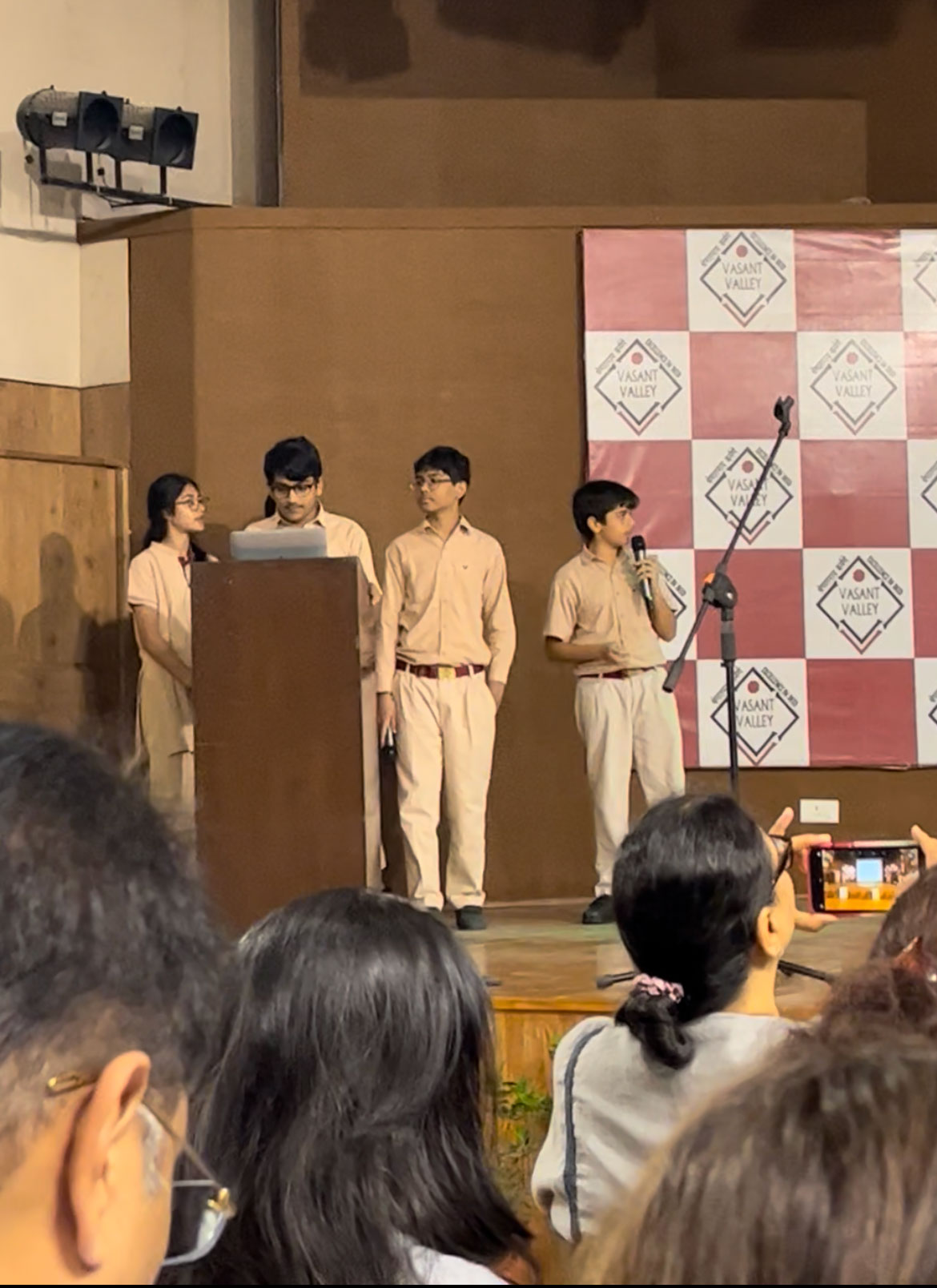
I researched comparable alumni platforms, built the business case and presented the proposal to the school leadership.

From there, the project became a much more interesting exercise in product design, team building and stakeholder management.

I brought together students working across backend development, database architecture, UI/UX, analytics and communications, with each person owning a different part of the product. My role increasingly became one of connecting those workstreams: aligning priorities, resolving dependencies and making sure individual decisions still added up to one coherent platform. Together, we developed the product roadmap, milestones, testing process and feedback loops needed to move the idea towards launch.

The Hard Part Wasn't Technology

It was getting people with different priorities to build towards the same outcome.

Different users wanted different things:

  • Students wanted mentorship, internships and career guidance.
  • Alumni wanted meaningful ways to contribute.
  • The school needed accountability and a platform it could sustain.

The team had its own set of perspectives too. Product, technology, design and communications often saw the same problem differently. I had to listen across both groups, create clarity around decisions and identify where priorities overlapped.

Building something useful often means aligning people and incentives, not just adding more features.

Building for After We Leave

I have also been documenting processes, maintaining decision trackers and mentoring younger students who can eventually take the project forward.

That has meant gradually transferring context and ownership, so the team can keep making decisions without depending on me for every next step.

Core Belief: Good projects should never depend on the person who began them.

Junior volunteers being recruited.

02

SavingWise.org

What if budgeting felt less like finance and more like a habit you could actually build?

SavingWise began after a 12-week innovation programme with a question I kept returning to:

How do you make basic financial planning easier for someone who has never been taught how to do it?

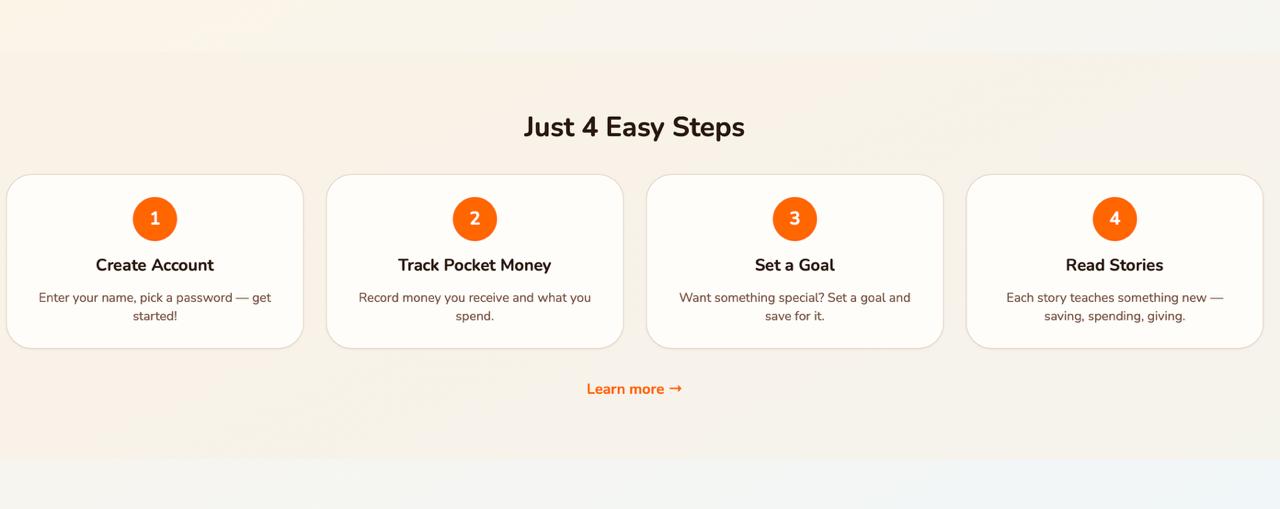
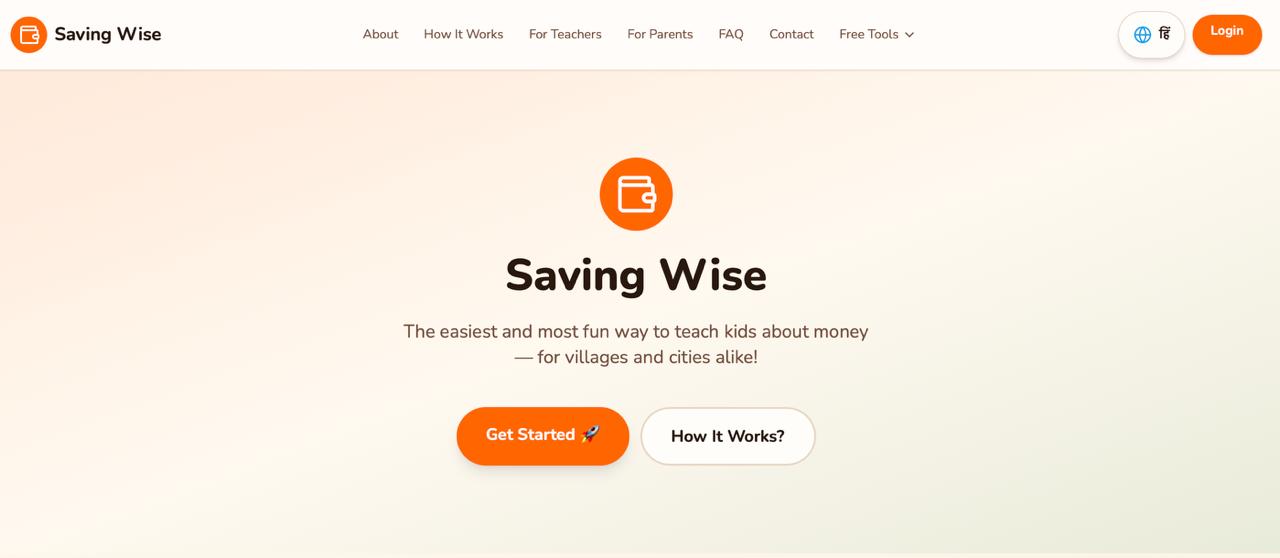
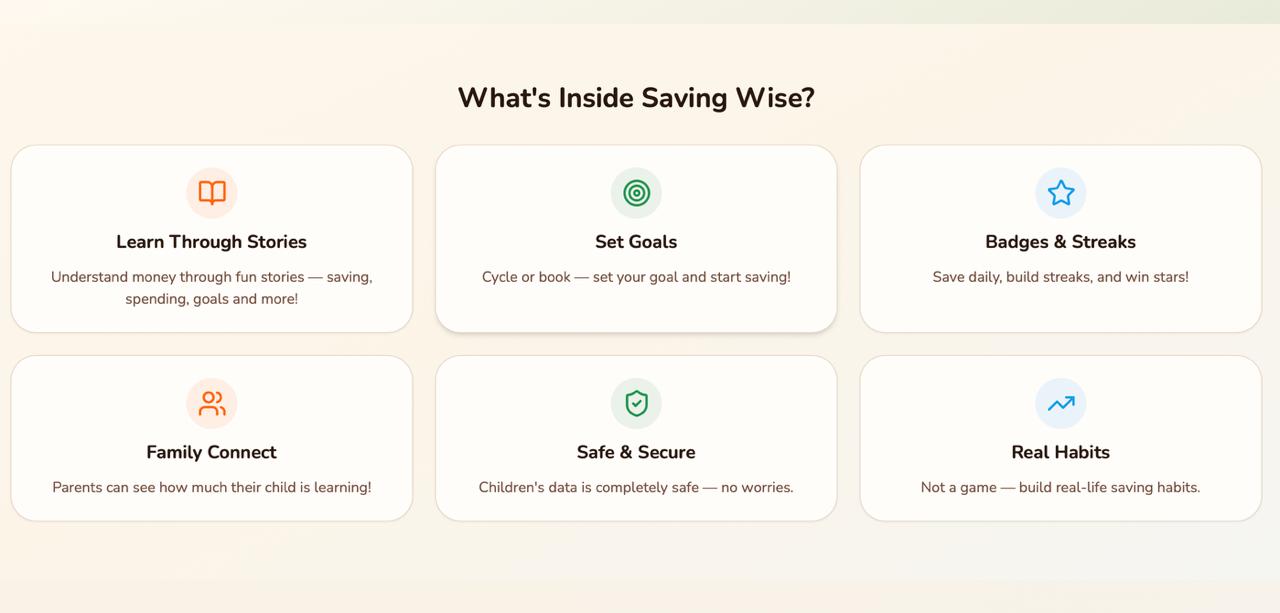
I built SavingWise.org, a multilingual web-based money manager and budgeting tool designed around simple decisions:

  • ✓ What came in?
  • ✓ What has to be set aside?
  • ✓ What should be saved?
  • ✓ What is actually left to spend?
Financial Planning
Savings Concept
Budgeting Tool
Budgeting Tool
Budgeting Tool
Budgeting Tool
Budgeting Tool
Budgeting Tool
Visit SavingWise.org →

Simple Math. Different Contexts.

The first version was only the beginning. Once SavingWise moved into real classrooms and communities, I began adapting it around the way different people actually used money.

  • For students, savings could mean putting aside part of an allowance for a school bag or stationery.
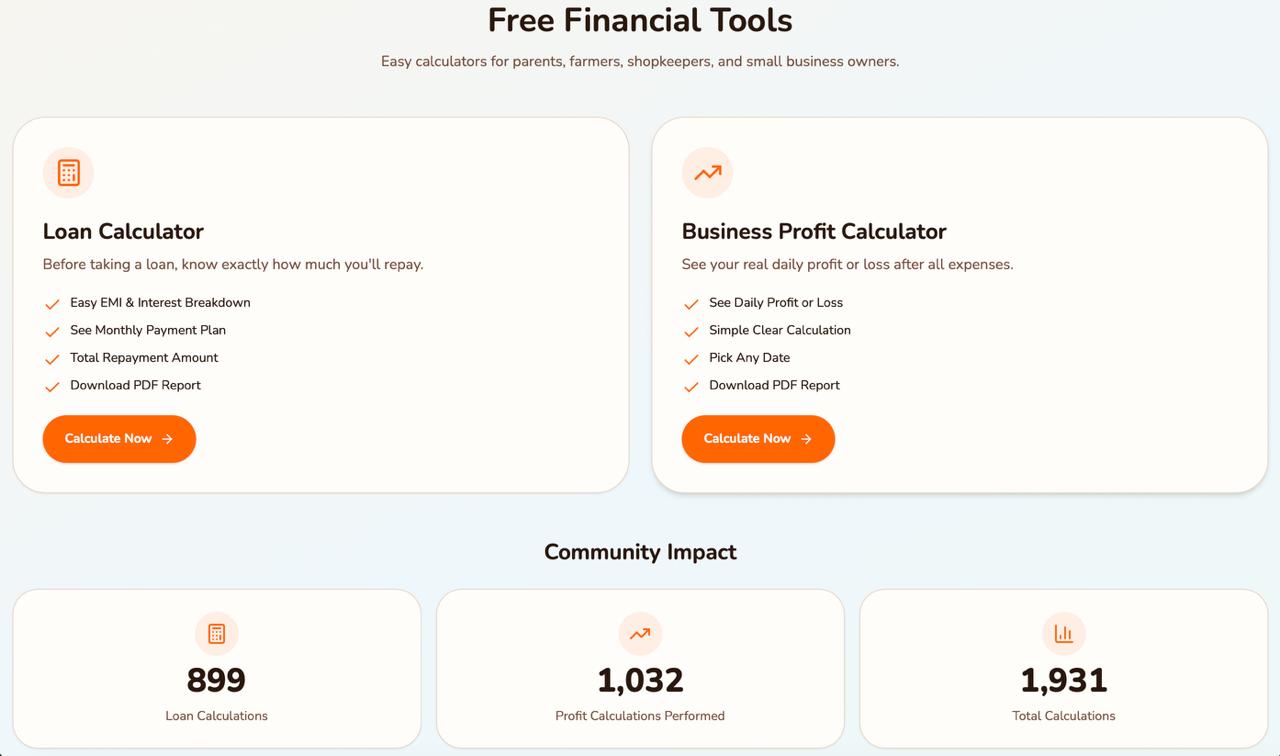
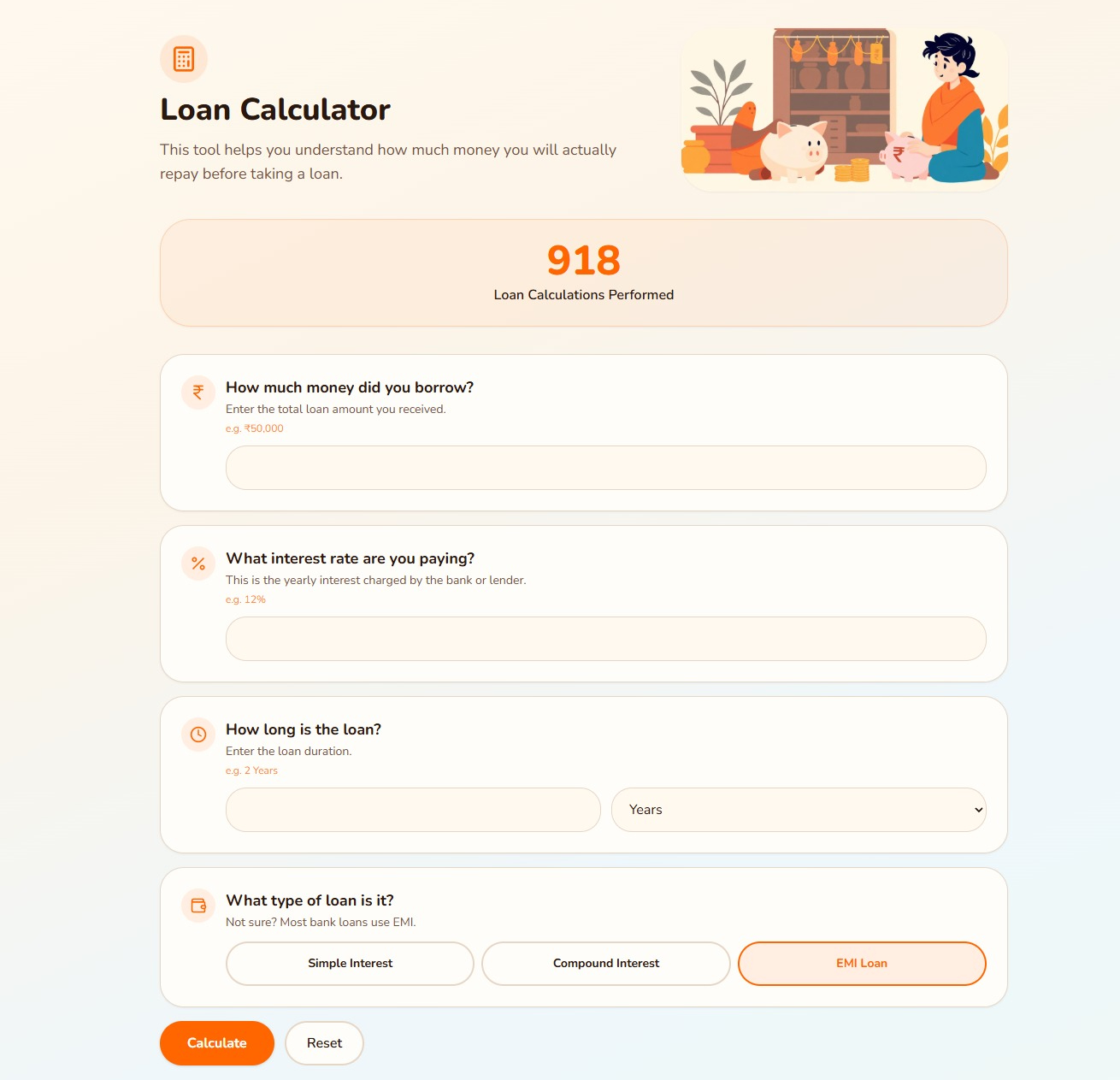
  • For farmers, the tool helped make the real cost of informal borrowing more visible by showing how rising interest rates change what they ultimately repay.
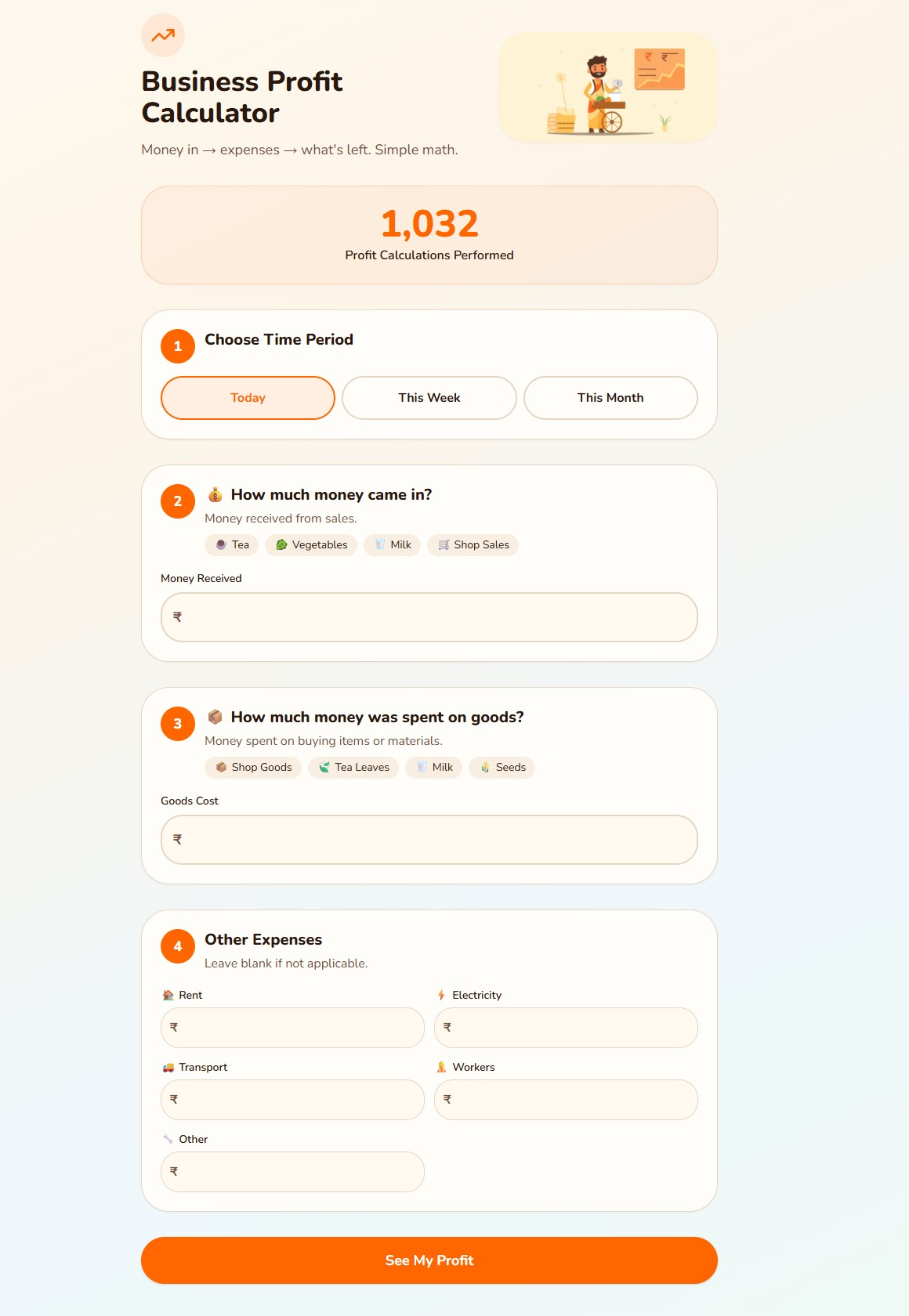
  • For small businesses and local shops, it became a way to calculate whether the business was actually making a profit or running at a loss.
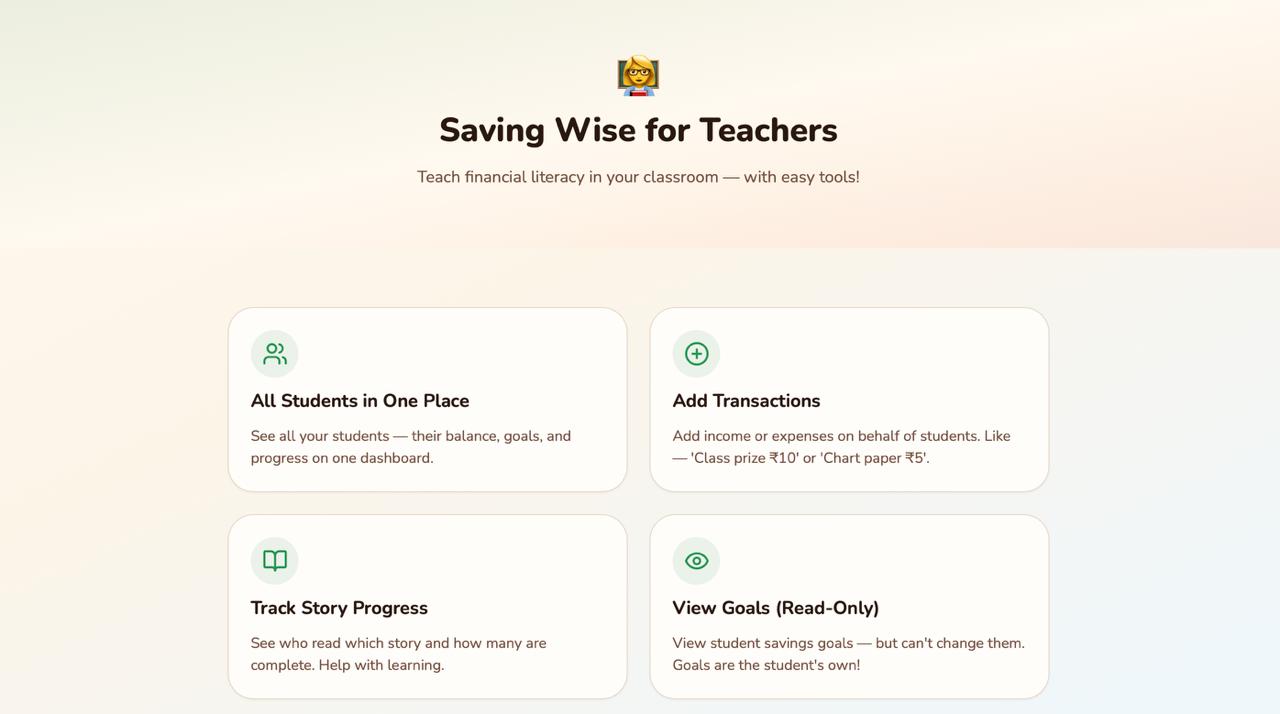
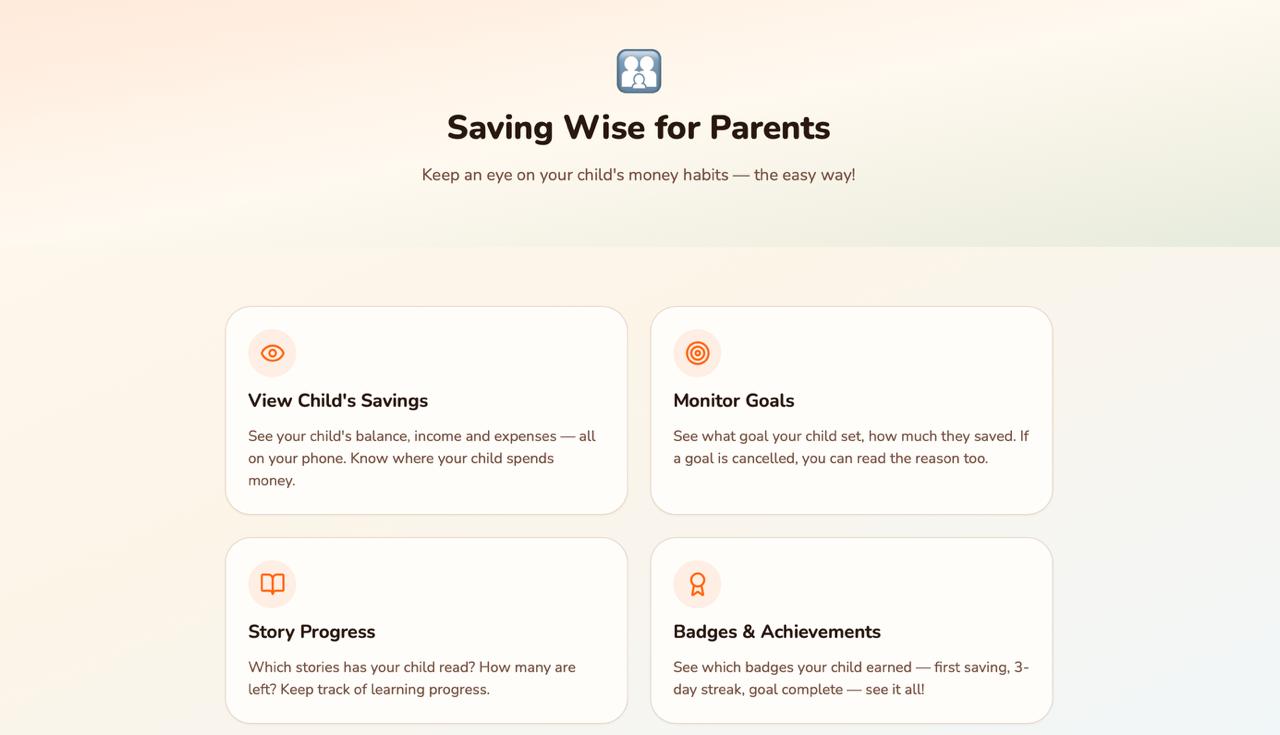
  • And for users who needed more support, the interface had to make room for parents or teachers to participate.

The maths stayed simple. The context kept changing.

Designing With Users, Not Just For Them

Feedback from students led me to rethink parts of the product itself.

The initial smartphone-oriented version evolved into a web app so it could also be accessed through school computers, while family and teacher involvement was incorporated where additional support was useful.

Accessibility is not a feature you add at the end. It changes the product itself.

Where SavingWise
Went Next

BHARTI FOUNDATION SCHOOLS

First-generation learners building basic budgeting habits.

TAMANA SPECIAL EDUCATION CENTRE

Visual and supported money-management exercises.

BIHAR & JHARKHAND

Farmers and micro-entrepreneurs working through borrowing costs, profit and loss, and everyday financial decisions.

03

Retail Lab

Turning a classroom into a working store.
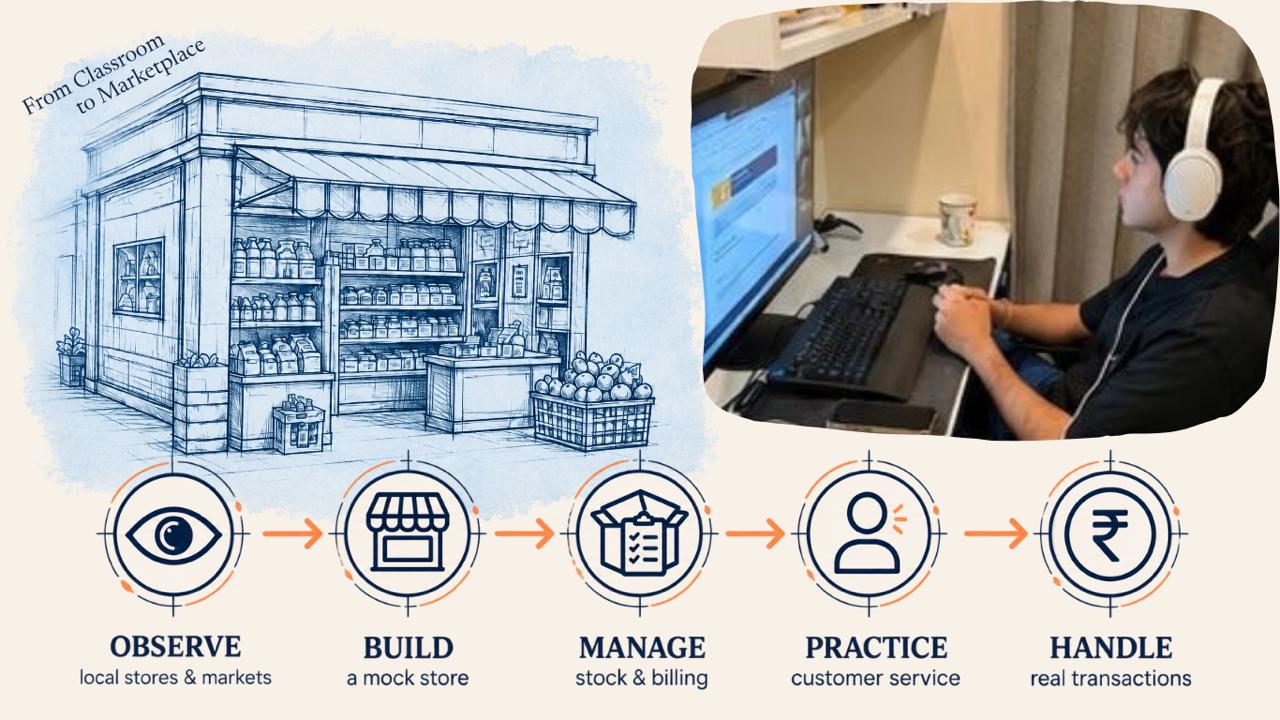
Retail Lab Workflow

I developed the Retail Lab as a practical companion to the CBSE Grade 9 Retail curriculum, working with teachers at Satya Bharti School, Chogwan. The project produced two connected learning tools:

Student Activity Booklet

A five-step learning-by-doing journey that moves from observing local kirana stores and markets to building a mock store, managing stock and billing, practising customer service, creating a mini business plan and eventually handling real transactions.

View Student Guide
Teacher’s Guide

A structured implementation guide with curriculum mapping, session plans, facilitation notes, locally available materials and assessment guidance, designed so teachers could continue running the programme independently.

View Teacher Guide

What made the design interesting to me was starting with what students already knew rather than introducing retail in the abstract: the neighbourhood kirana store, the weekly haat, the familiar shopkeeper. From there, each concept became something to observe, try, question and improve.

04

Paper Recycling Unit

School Involvement

Contributed to a school programme recycling approximately 350 kg of paper into around 350 reusable diaries each year.