
A practical introduction to incentives, strategic behaviour and how decisions change when outcomes depend on what other people choose to do.
I began looking at markets and policy problems less as isolated decisions and more as systems of incentives, trade-offs and responses.
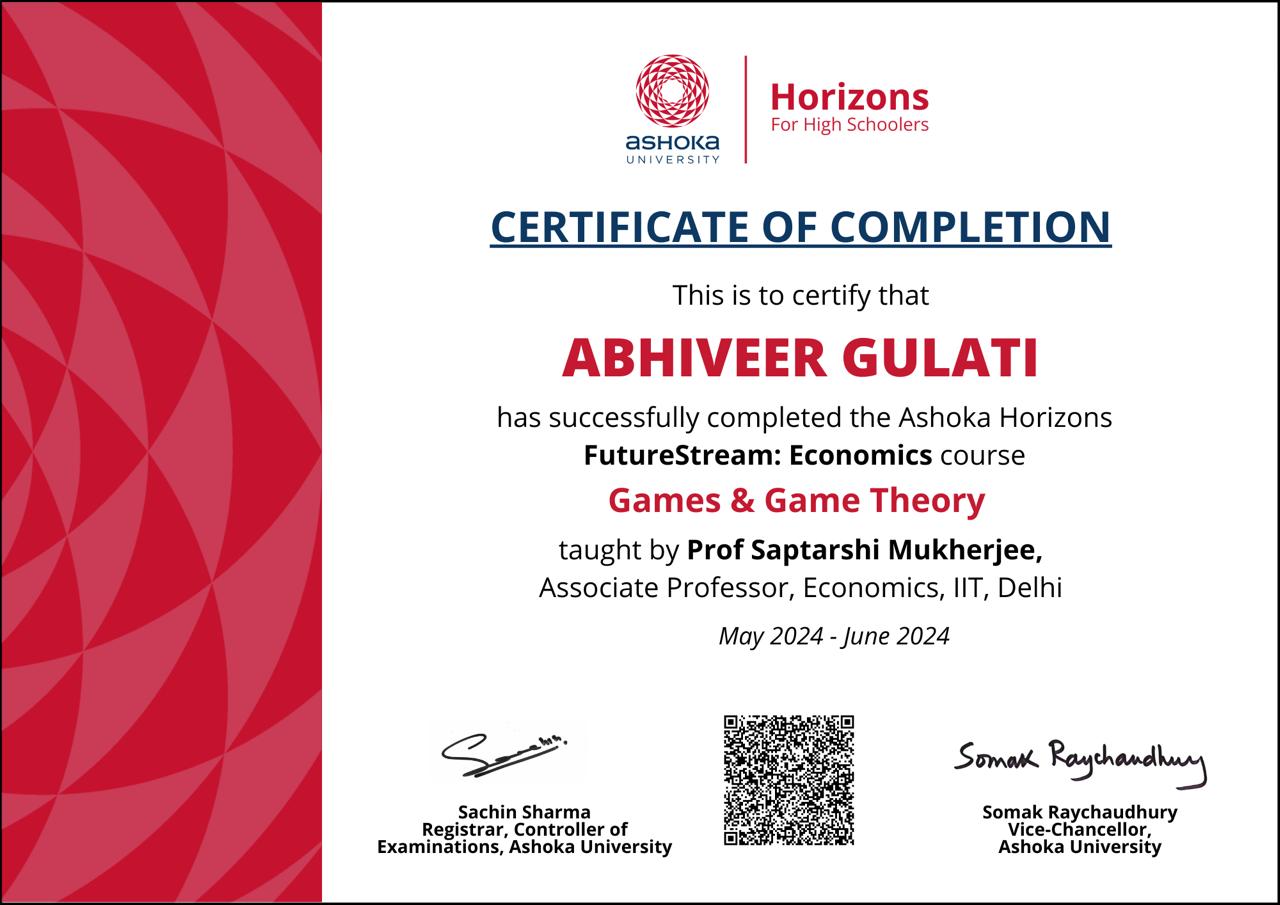

Worked with RStudio to move from economic theory to evidence, using regression, statistical testing and real datasets.
The course gave me the quantitative toolkit I later used in my published ESG research.
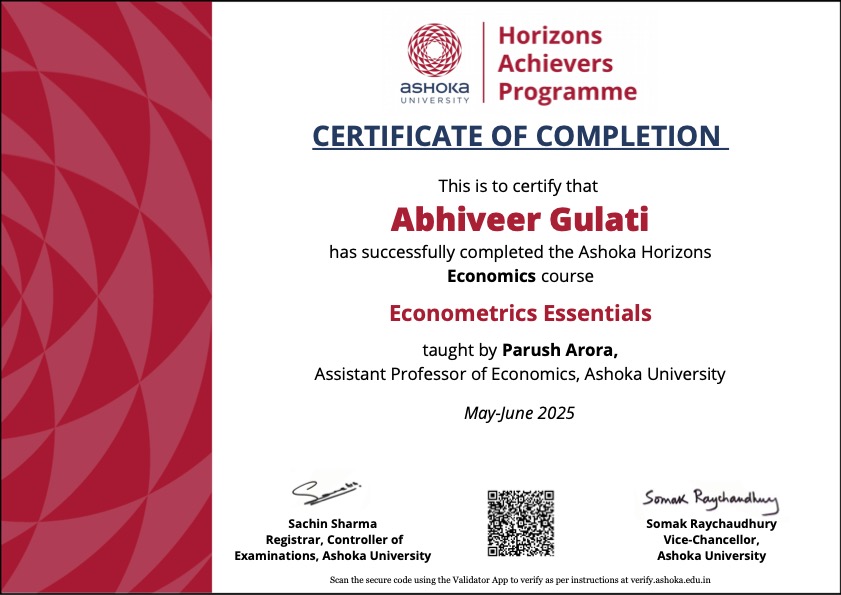

Built practical understanding across financial statements, valuation, market indicators and portfolio construction.
I created and managed a diversified virtual portfolio and produced a published piece for Futurewise’s Ideas platform.
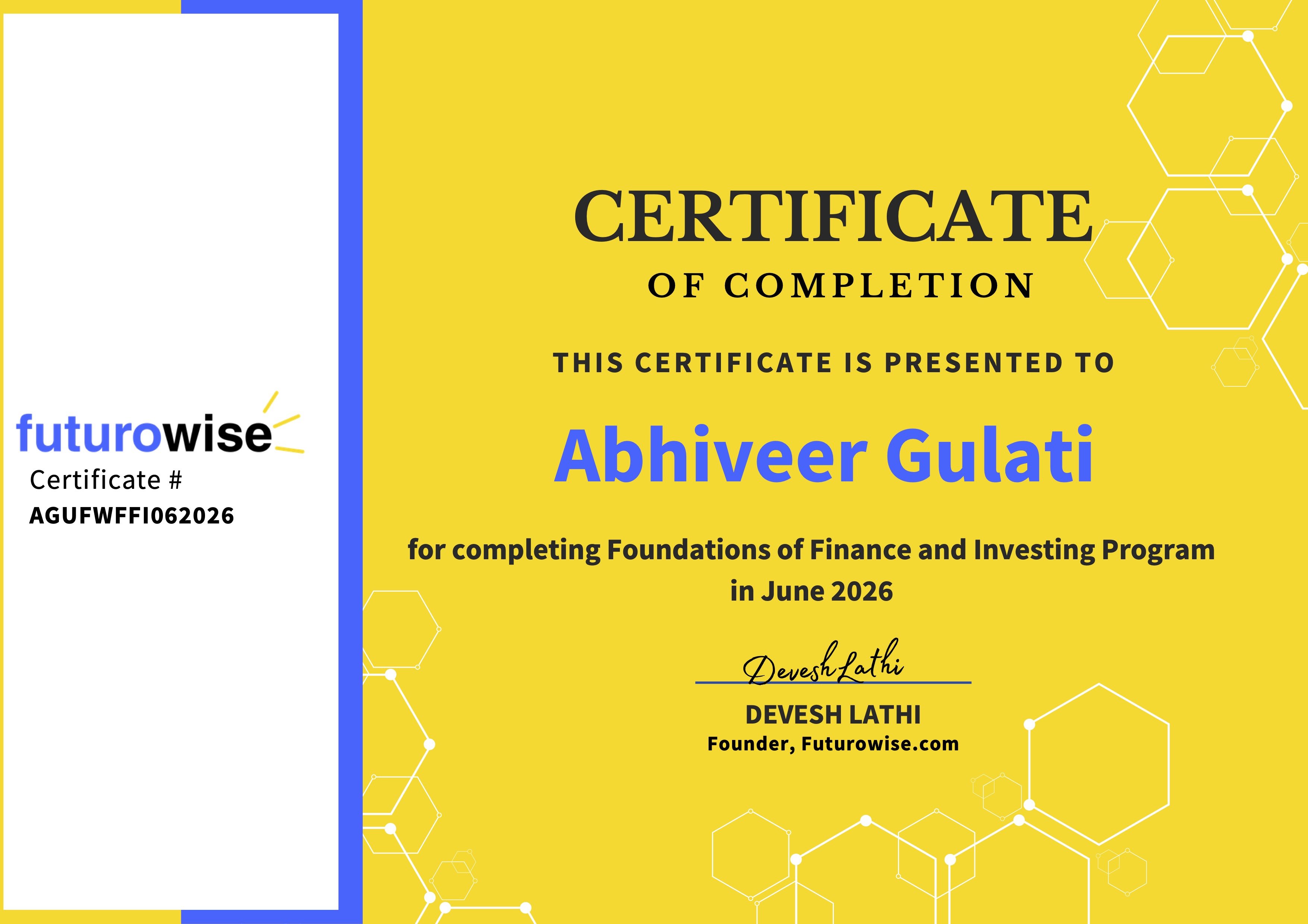

Team-based work around communication, trust, cognitive diversity, negotiation and stakeholder management.
A more structured way to handle disagreement, especially when different people are working toward the same outcome from very different starting points.
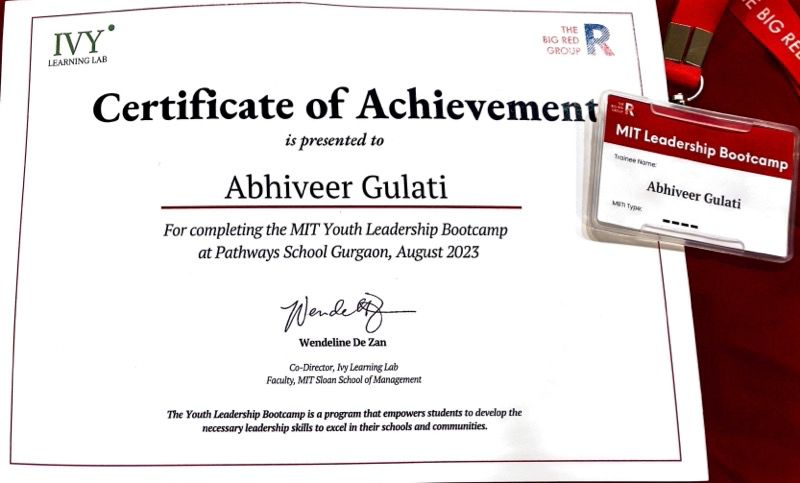

Explored financial markets, risk, enterprise and behavioural finance.
A broader understanding of how financial decisions are shaped by risk, incentives and human behaviour.
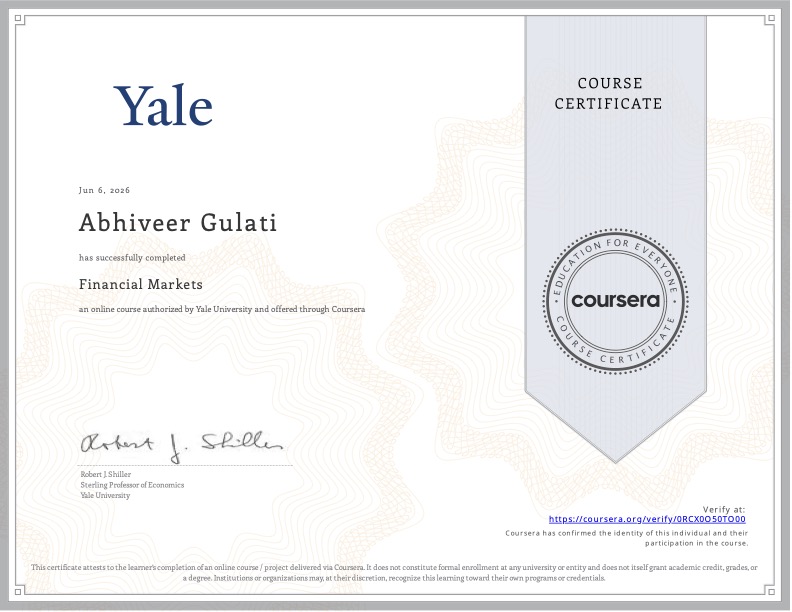

Explored financial markets, risk, enterprise and behavioural finance.
A stronger understanding of how digital products can turn financial concepts into practical, everyday tools.
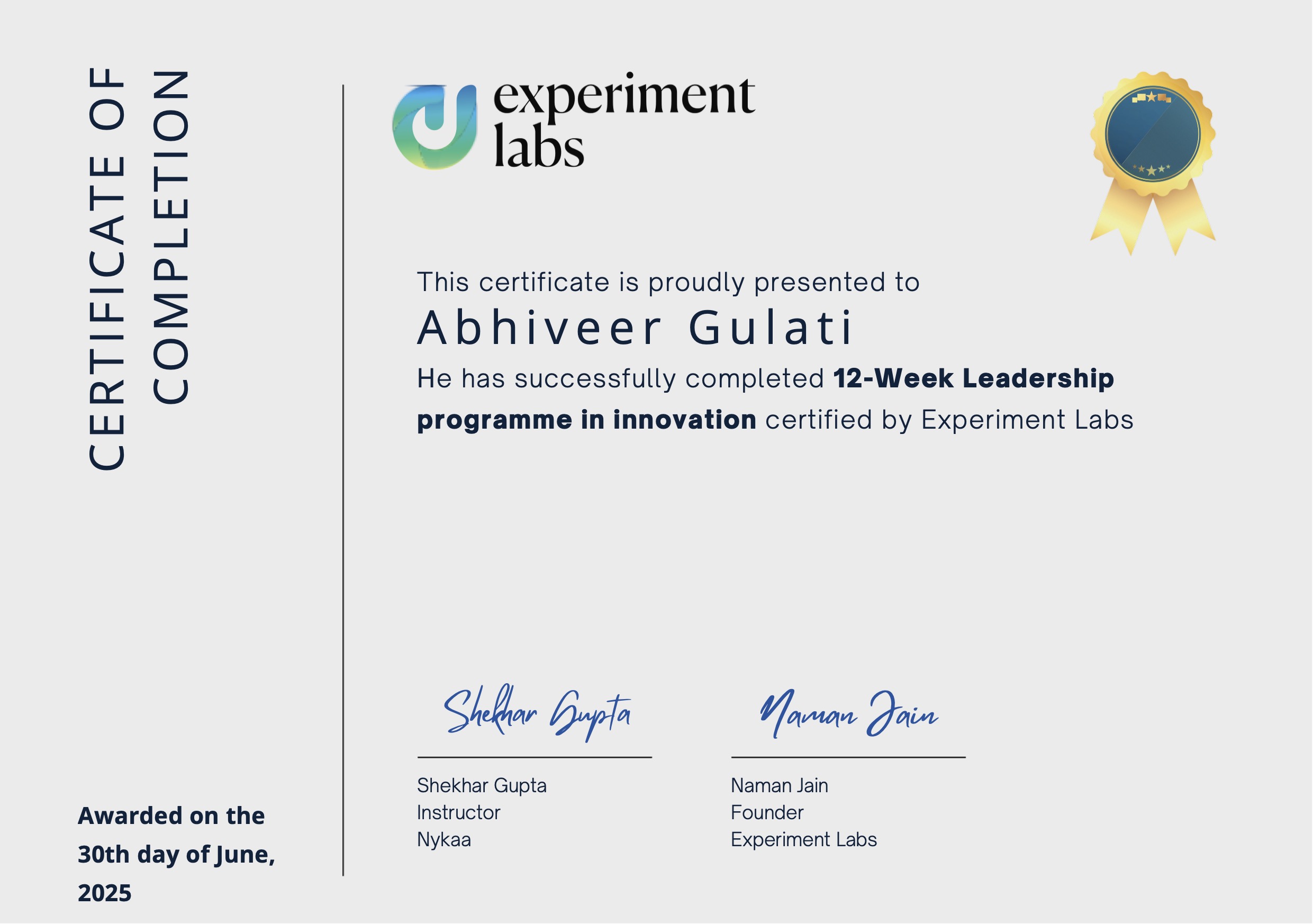
Different subjects. A similar instinct.
I tend to learn best when an idea can be tested, modelled or applied.
Game theory made me think harder about incentives. Econometrics gave me a way to test assumptions. Finance made those decisions measurable. Leadership programs made the human side of those decisions harder to ignore.
That is probably why I keep moving between environment policy, economics, data and the real world.